
Dow Futures Unchanged After Index's Longest Losing Streak Since April
Generado por agente de IAEli Grant
jueves, 12 de diciembre de 2024, 6:17 pm ET2 min de lectura
DJIA--
The Dow Jones Industrial Average (DJIA) futures are little changed after the index posted its longest losing streak since April, with investors grappling with concerns about inflation, geopolitical tensions, and earnings reports from major banks. The DJIA has shed 1,573.63 points, or 4%, over the last two weeks, its biggest two-week percentage decline since March 2023.
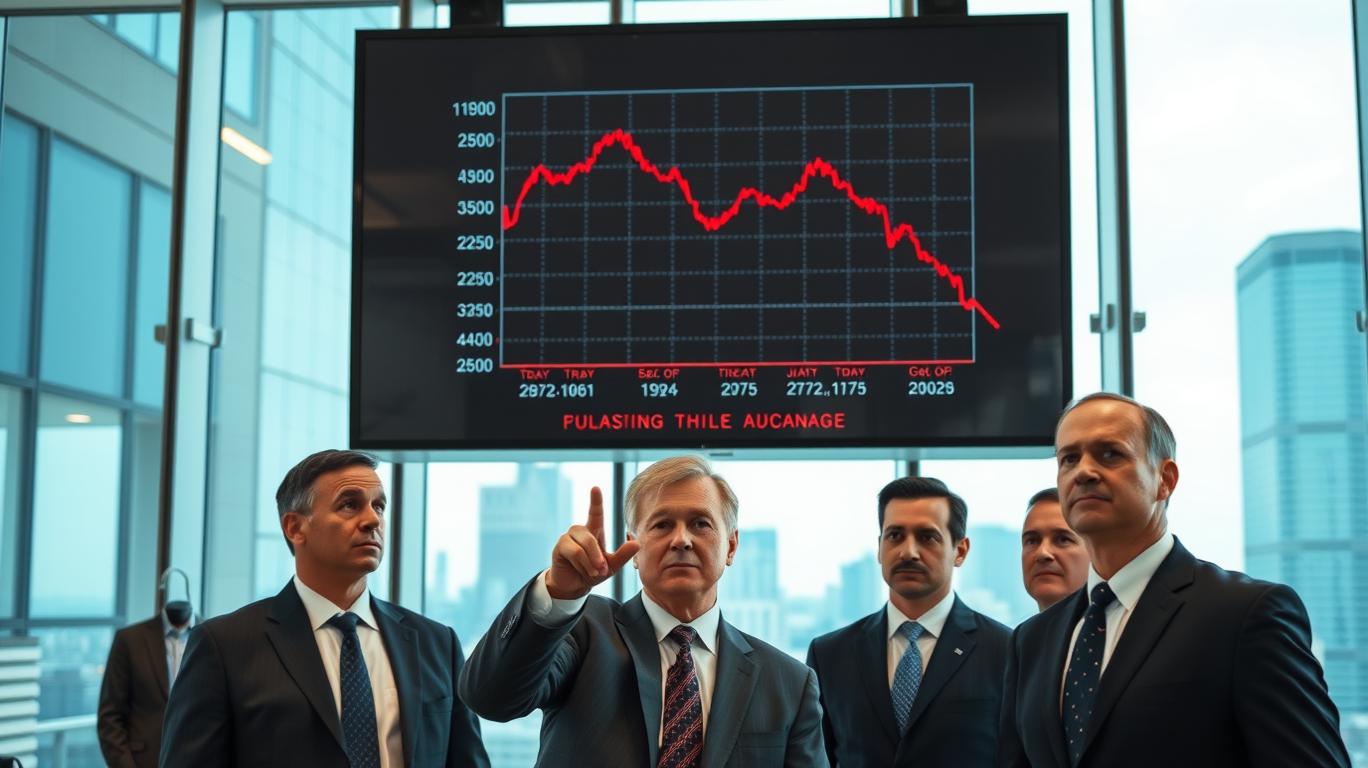
Geopolitical tensions, particularly those between the U.S. and Iran, have contributed to the Dow's recent performance. On Friday, the index dropped over 350 points, on track for its longest losing streak since June, partly due to concerns about Iranian retaliation against Israel. This follows a pattern of market volatility driven by geopolitical events, such as the U.S.-China trade war in 2019. However, it's essential to consider other factors, like inflation worries and bank earnings, which also played a role in the Dow's decline.
Earnings reports from major banks, such as JPMorgan Chase & Co., have played a significant role in the Dow's recent losing streak. On Friday, the DJIA shed 234.44 points, or 0.53%, to 43,914.12, marking its sixth consecutive loss and the longest losing streak since April. This decline came after JPMorgan Chase & Co. reported earnings, with its shares tumbling more than 5% on the day. The University of Michigan Consumer Sentiment survey also showed waning enthusiasm for the economy, while inflation expectations over the coming year ticked higher, further weighing on investor sentiment.
The Dow's recent performance can also be attributed to investors' concerns about still-strong service sector prices, compounded by recent concerns about an acceleration in goods prices, as indicated by the Producer Price Index (PPI) and Consumer Price Index (CPI) releases. The market is awaiting the Federal Reserve's decision on interest rates, with traders pricing in a 98% chance of a quarter-percentage point cut at the next meeting.
During the recent six-day losing streak of the DJIA, sectors within the index have shown varied performance, offering insights into investor sentiment. The Financials sector, which includes banks, has been the worst performer, dropping 4.5%. This could indicate investor concerns about the sector's earnings prospects or regulatory risks. In contrast, the Healthcare sector has risen 1.2%, suggesting investor confidence in the sector's growth potential, possibly driven by strong earnings or positive developments in the industry. The Technology sector has also performed relatively well, up 0.5%, reflecting investor optimism about the sector's long-term growth prospects. Overall, the mixed performance of different sectors within the DJIA suggests a cautious yet optimistic investor sentiment, with investors favoring defensive sectors like Healthcare while remaining wary of cyclical sectors like Financials.
In conclusion, the Dow's recent losing streak can be attributed to a combination of geopolitical tensions, inflation worries, and earnings reports from major banks. While investors remain cautious, they also exhibit optimism about certain sectors, such as Healthcare and Technology. As the market awaits the Federal Reserve's decision on interest rates, investors will continue to monitor economic indicators and corporate earnings to make informed decisions.
JDIV--
WTRG--
The Dow Jones Industrial Average (DJIA) futures are little changed after the index posted its longest losing streak since April, with investors grappling with concerns about inflation, geopolitical tensions, and earnings reports from major banks. The DJIA has shed 1,573.63 points, or 4%, over the last two weeks, its biggest two-week percentage decline since March 2023.
Geopolitical tensions, particularly those between the U.S. and Iran, have contributed to the Dow's recent performance. On Friday, the index dropped over 350 points, on track for its longest losing streak since June, partly due to concerns about Iranian retaliation against Israel. This follows a pattern of market volatility driven by geopolitical events, such as the U.S.-China trade war in 2019. However, it's essential to consider other factors, like inflation worries and bank earnings, which also played a role in the Dow's decline.
Earnings reports from major banks, such as JPMorgan Chase & Co., have played a significant role in the Dow's recent losing streak. On Friday, the DJIA shed 234.44 points, or 0.53%, to 43,914.12, marking its sixth consecutive loss and the longest losing streak since April. This decline came after JPMorgan Chase & Co. reported earnings, with its shares tumbling more than 5% on the day. The University of Michigan Consumer Sentiment survey also showed waning enthusiasm for the economy, while inflation expectations over the coming year ticked higher, further weighing on investor sentiment.
The Dow's recent performance can also be attributed to investors' concerns about still-strong service sector prices, compounded by recent concerns about an acceleration in goods prices, as indicated by the Producer Price Index (PPI) and Consumer Price Index (CPI) releases. The market is awaiting the Federal Reserve's decision on interest rates, with traders pricing in a 98% chance of a quarter-percentage point cut at the next meeting.
During the recent six-day losing streak of the DJIA, sectors within the index have shown varied performance, offering insights into investor sentiment. The Financials sector, which includes banks, has been the worst performer, dropping 4.5%. This could indicate investor concerns about the sector's earnings prospects or regulatory risks. In contrast, the Healthcare sector has risen 1.2%, suggesting investor confidence in the sector's growth potential, possibly driven by strong earnings or positive developments in the industry. The Technology sector has also performed relatively well, up 0.5%, reflecting investor optimism about the sector's long-term growth prospects. Overall, the mixed performance of different sectors within the DJIA suggests a cautious yet optimistic investor sentiment, with investors favoring defensive sectors like Healthcare while remaining wary of cyclical sectors like Financials.
In conclusion, the Dow's recent losing streak can be attributed to a combination of geopolitical tensions, inflation worries, and earnings reports from major banks. While investors remain cautious, they also exhibit optimism about certain sectors, such as Healthcare and Technology. As the market awaits the Federal Reserve's decision on interest rates, investors will continue to monitor economic indicators and corporate earnings to make informed decisions.

Divulgación editorial y transparencia de la IA: Ainvest News utiliza tecnología avanzada de Modelos de Lenguaje Largo (LLM) para sintetizar y analizar datos de mercado en tiempo real. Para garantizar los más altos estándares de integridad, cada artículo se somete a un riguroso proceso de verificación con participación humana.
Mientras la IA asiste en el procesamiento de datos y la redacción inicial, un miembro editorial profesional de Ainvest revisa, verifica y aprueba de forma independiente todo el contenido para garantizar su precisión y cumplimiento con los estándares editoriales de Ainvest Fintech Inc. Esta supervisión humana está diseñada para mitigar las alucinaciones de la IA y garantizar el contexto financiero.
Advertencia sobre inversiones: Este contenido se proporciona únicamente con fines informativos y no constituye asesoramiento profesional de inversión, legal o financiero. Los mercados conllevan riesgos inherentes. Se recomienda a los usuarios que realicen una investigación independiente o consulten a un asesor financiero certificado antes de tomar cualquier decisión. Ainvest Fintech Inc. se exime de toda responsabilidad por las acciones tomadas con base en esta información. ¿Encontró un error? Reportar un problema


SOBRE NOSOTROS
Nuestra historiaAutores de noticiasBase de conocimientosPolítica de privacidadTérmino de usoDescargo de responsabilidad de corretaje de tercerosTérminos de uso de AIMEDivulgaciones de riesgos de AInvest AICarrerasCONTÁCTENOS
Email: support@ainvest.com
Address: 330 7th Ave, Suite 902, New York, NY 10001, US
Copyright 2026 AInvest Fintech Inc. All rights reserved.


Comentarios
Aún no hay comentarios