
Dow Inc. Faces Securities Fraud Lawsuit: Assessing Legal and Financial Risks to Shareholders
The securities fraud class action lawsuit against Dow Inc.DOW-- (NYSE: DOW) has escalated into a critical risk factor for shareholders, with allegations centering on misleading statements about the company's ability to navigate macroeconomic and tariff-related challenges. Investors who purchased shares between January 30, 2025, and July 23, 2025, are now seeking compensation for losses tied to a 17.45% stock price plunge following a disastrous earnings report and dividend cut. This case, titled Sarti v. Dow Inc., underscores the intersection of legal exposure and financial vulnerability for the industrial giant.
Allegations and Triggering Events
The lawsuit alleges that Dow Inc. and its executives overstated the company's financial resilience while concealing the severity of declining global sales, competitive pressures, and product oversupply. Key catalysts for the legal action include:
1. June 23, 2025: BMO Capital downgraded Dow's stock to "Underperform" and cut its price target, triggering a 3.2% stock price drop, according to an EdgarIndex analysis.
2. July 24, 2025: Dow reported a non-GAAP loss of $0.42 per share and slashed its dividend by 50%, citing a "lower-for-longer earnings environment," as reported in a D&O Diary report. The stock fell another 17.5% on the same day, per a GlobeNewswire release.
These disclosures, according to the lawsuit, were materially misleading, as they failed to reflect the true impact of macroeconomic headwinds and operational challenges, as noted in a Robbins Geller investor alert. The lead plaintiff deadline of October 28, 2025, looms as a critical milestone for investors seeking to join the class action, per a PR Newswire notice.
Financial Capacity to Absorb Legal Costs
Dow's ability to withstand potential legal penalties is clouded by its already strained financial position. The company's debt-to-equity ratio of 103.62%, according to a PR Newswire release-a metric that signals heavy reliance on debt-raises concerns about its capacity to fund settlements. While no public information confirms the existence of insurance coverage for securities fraud liabilities, per Dow financial reporting, the absence of disclosed legal reserves further compounds the risk.
Analysts note that settlements in similar cases, such as General Electric's 2025 $362.5 million resolution, could serve as a benchmark. For Dow, such a payout would exacerbate its debt burden and limit flexibility for capital expenditures or dividend reinstatement. The lack of transparency around reserves or insurance coverage leaves shareholders exposed to unpredictable financial shocks, as highlighted in a Parker Poe article.
Implications for Shareholders
The lawsuit's ramifications extend beyond immediate financial costs. A protracted legal battle could erode investor confidence, amplify stock price volatility, and trigger reputational damage. Even if Dow prevails in court, the reputational hit from securities fraud allegations may deter institutional investors and depress long-term value.
Moreover, the dividend cut-a direct consequence of the alleged mismanagement-has already signaled to markets that Dow's financial flexibility is constrained. Shareholders who invested during the class period now face dual risks: potential losses from the lawsuit and further declines in stock value if the company's operational challenges persist, as reported in a Business Insurance article.
Conclusion
The Sarti v. Dow Inc. case highlights the precarious balance between legal accountability and corporate sustainability. For shareholders, the absence of clear financial safeguards-such as insurance or reserves-heightens exposure to both litigation costs and operational underperformance. As the lead plaintiff deadline approaches, investors must weigh the likelihood of a favorable legal outcome against the company's deteriorating financial metrics. In a market environment where transparency is paramount, Dow's current opacity on legal preparedness could prove as damaging as the lawsuit itself. 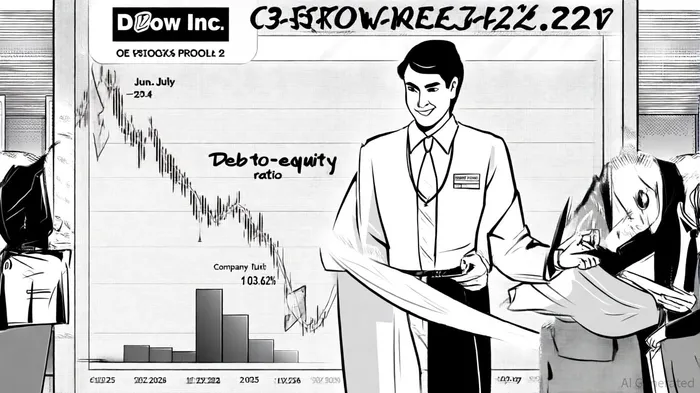





Comentarios
Aún no hay comentarios