
DoorDash's Summer of DashPass 2025: A Strategic Masterclass in Subscription Dominance
As DoorDashDASH-- kicks off its 2025 Summer of DashPass, the company is doubling down on its subscription model to cement its position as the go-to platform for on-demand convenience. This year's enhancements—including Family Sharing, Lyft ride discounts, and localized SME support—are not merely incremental upgrades but a calculated play to deepen customer loyalty, boost average revenue per user (ARPU), and fortify its moat against rivals like UberUBER-- Eats. For investors, this summer's initiatives underscore DoorDash's ability to transform its platform into a multi-category subscription powerhouse, making DASH a compelling buy for those betting on recurring revenue models in the on-demand economy.
The Subscription Flywheel: Expanding Value Beyond Food
DoorDash's DashPass has always been its secret weapon. With over $10 billion in savings delivered to users since 2018—an average of $5 per eligible order—the program has already proven its mass appeal. But this year's Summer event takes the strategy further by broadening the value proposition beyond food delivery.
Key Move 1: Family Sharing
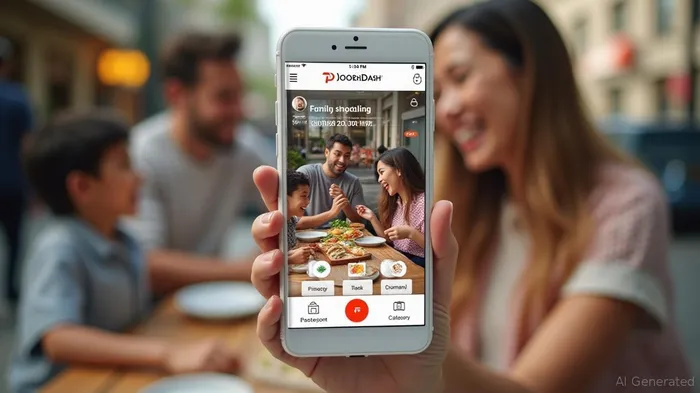
By allowing two DashPass members to share benefits without merging accounts, DoorDash effectively turns the platform into a household utility. This tweak not only increases the addressable market (targeting dual-income households) but also drives ARPU growth by converting single users into dual-value households. With no extra cost for the shared benefits, DoorDash captures incremental revenue while deepening customer attachment.
Key Move 2: Lyft Partnerships
Adding 10–20% off Lyft rides is a masterstroke. It extends DoorDash's ecosystem into transportation, creating a “super app” experience where users rely on DASH for both food and mobility. This cross-category bundling reduces dependency on food alone, a critical differentiator from Uber Eats, which lacks such synergies. The move also aligns with DoorDash's $10B+ savings claim, as ride discounts now contribute to the tally.
Key Move 3: SME Support & Cross-Category Deals
The inclusion of 120,000+ SMEs and summer promotions in groceries, electronics, and home essentials signals a shift toward multi-category dominance. By offering BOGO deals on fried chicken or ice cream alongside Home Depot orders, DoorDash is training users to see the app as a one-stop shop for daily needs. This strategy not only boosts order frequency but also creates recurring revenue streams through subscriptions tied to diverse spending categories.
The Moat Widens: Why DashPass Outpaces Rivals
DoorDash's Summer playbook isn't just about discounts—it's about locking users into a habit-forming ecosystem. Compare this to Uber Eats, which lags in subscription innovation and relies on sporadic promotions. Key advantages for DASH include:
- Cross-Category Stickiness: By blending food, groceries, and now rides into one subscription, DoorDash reduces the need to switch apps.
- Data-Driven Personalization: The platform's ability to track preferences across categories lets it tailor offers (e.g., National Ice Cream Day BOGOs), enhancing user satisfaction.
- SME Partnerships as a Growth Lever: Supporting local businesses ensures a steady supply of diverse merchants, which keeps the platform's catalog fresh and appealing.
The Financial Case: Scalability and Recurring Revenue
The subscription economics here are compelling. DashPass's $10B+ savings claim since 2018 highlights its mass adoption, while the Summer's added perks (Lyft discounts, Max streaming) enhance retention without significant marginal costs. Crucially, multi-category deals reduce reliance on razor-thin margins in food delivery.
Data to watch: If DoorDash's ARPU continues to outpace Uber's, it signals successful monetization of its ecosystem.
Moreover, the $4,000 e-gift card giveaway on social media amplifies brand loyalty among younger, digitally native users—a demographic critical for long-term growth.
Risks and Considerations
Critics may point to execution risks—e.g., whether Family Sharing or drone logistics (via Wing) will scale smoothly. Additionally, Uber's potential counter-moves in bundling rides with food could test DoorDash's differentiation. However, the company's $10B savings milestone and aggressive multi-category push suggest it's ahead in the arms race for user retention.
Investment Thesis: DASH as a Subscription Darling
For investors, DoorDash's Summer of DashPass is a buy signal for three reasons:
1. Predictable Recurring Revenue: Subscriptions are inherently less volatile than transaction-based models.
2. Untapped Upside in Non-Food Categories: Groceries, electronics, and ride discounts represent vast markets still underpenetrated by DASH.
3. Defensible Moat: The combination of SME partnerships, cross-category deals, and ecosystem bundling creates a sticky user base that rivals struggle to replicate.
Final Verdict: DASH is a strong buy for investors seeking exposure to subscription-driven growth in on-demand services. The Summer of DashPass 2025 isn't just a marketing event—it's a blueprint for how DoorDash intends to dominate the $1 trillion global food and goods delivery market for years to come.







Comentarios
Aún no hay comentarios