
DoorDash's $17M Settlement: A Wake-Up Call for Gig Economy
Generado por agente de IAHarrison Brooks
lunes, 24 de febrero de 2025, 2:30 pm ET1 min de lectura
DASH--
DoorDash, the popular food delivery platform, has agreed to pay $17 million to settle a class-action lawsuit alleging that the company used customer tips to cover delivery workers' wages. The settlement, announced by New York Attorney General Letitia James, highlights the ongoing issues in the gig economy regarding fair compensation and transparency.
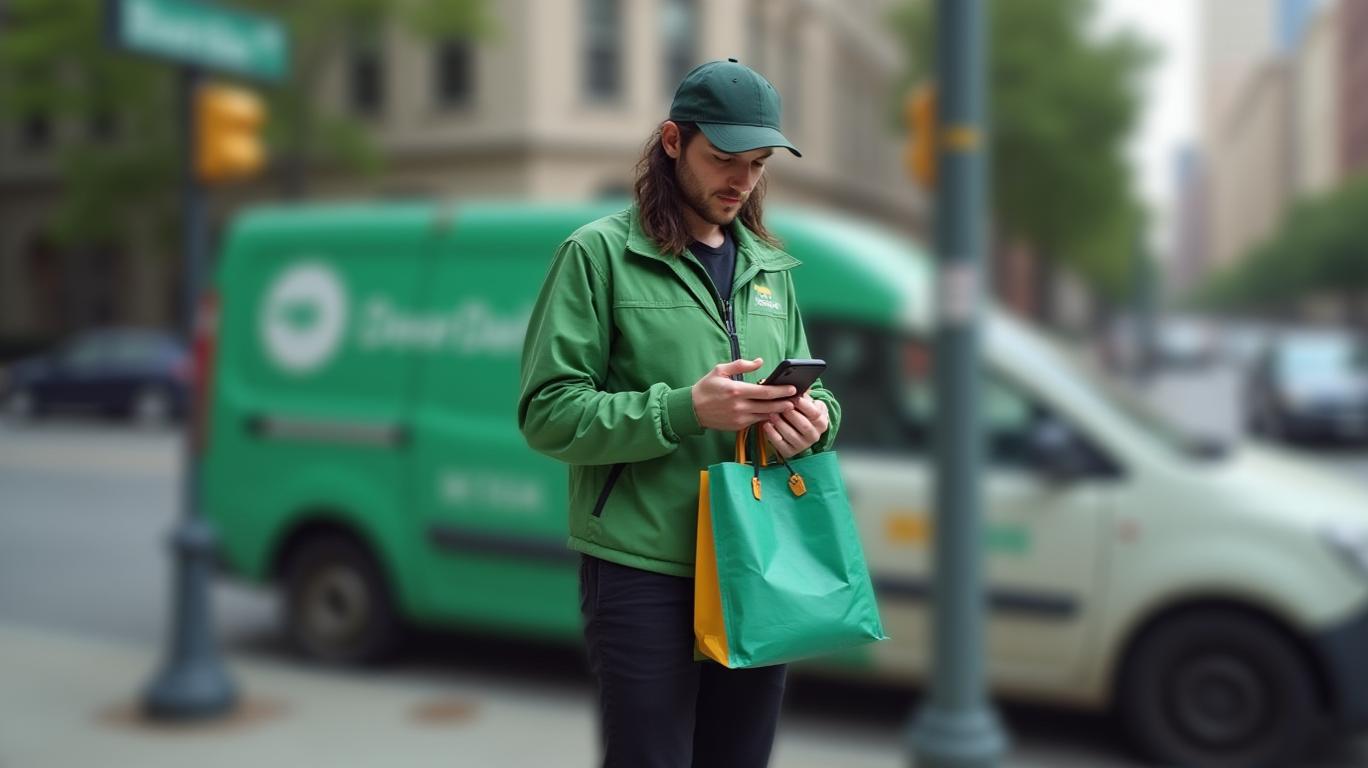
The lawsuit, filed in 2019, accused DoorDash of misleading both consumers and delivery workers (known as "Dashers") by using customer tips to subsidize their guaranteed pay. Between May 2017 and September 2019, DoorDash used a guaranteed pay model that allowed Dashers to see how much they would be paid before accepting a delivery. However, the company would only pay the Dasher the guaranteed amount, using the tips paid by the customer to offset the rest of the amount guaranteed to the delivery worker.
DoorDash's deceptive pay model not only misled customers into believing their tips would directly benefit Dashers but also deceived Dashers who deserved to be paid in full. The company failed to clearly disclose these practices to customers and Dashers, burying the details in online documents and making it inaccessible during critical moments in the ordering process.
As part of the settlement, DoorDash must:
1. Revise its payment practices to ensure consumer tips are paid to Dashers in their entirety, without impacting DoorDash's contribution to guaranteed pay.
2. Enhance transparency by clearly disclosing pay policy details to both Dashers and consumers, and sharing a breakdown of base pay, promotional bonuses, and tips with Dashers for every delivery.
3. Improve Dash history access by ensuring that Dashers, including those deactivated, have access to their delivery history for at least four years.
The settlement sends a strong message to other gig economy platforms, such as Uber Eats and Grubhub, that deceptive pay practices will not be tolerated. It also highlights the importance of transparency and fairness in the gig economy, where delivery workers often struggle with low pay and uncertain working conditions.

DoorDash's settlement with the New York Attorney General's office serves as a wake-up call for the gig economy. As the gig economy continues to grow, it is crucial for platforms to prioritize transparency, fairness, and worker empowerment. By doing so, they can foster a more positive relationship with their workers and maintain customer trust in their services.
In conclusion, DoorDash's $17 million settlement is a significant step towards addressing the issues of fair compensation and transparency in the gig economy. As the gig economy continues to evolve, it is essential for platforms to learn from this case and prioritize the well-being of their workers.
DoorDash, the popular food delivery platform, has agreed to pay $17 million to settle a class-action lawsuit alleging that the company used customer tips to cover delivery workers' wages. The settlement, announced by New York Attorney General Letitia James, highlights the ongoing issues in the gig economy regarding fair compensation and transparency.
The lawsuit, filed in 2019, accused DoorDash of misleading both consumers and delivery workers (known as "Dashers") by using customer tips to subsidize their guaranteed pay. Between May 2017 and September 2019, DoorDash used a guaranteed pay model that allowed Dashers to see how much they would be paid before accepting a delivery. However, the company would only pay the Dasher the guaranteed amount, using the tips paid by the customer to offset the rest of the amount guaranteed to the delivery worker.
DoorDash's deceptive pay model not only misled customers into believing their tips would directly benefit Dashers but also deceived Dashers who deserved to be paid in full. The company failed to clearly disclose these practices to customers and Dashers, burying the details in online documents and making it inaccessible during critical moments in the ordering process.
As part of the settlement, DoorDash must:
1. Revise its payment practices to ensure consumer tips are paid to Dashers in their entirety, without impacting DoorDash's contribution to guaranteed pay.
2. Enhance transparency by clearly disclosing pay policy details to both Dashers and consumers, and sharing a breakdown of base pay, promotional bonuses, and tips with Dashers for every delivery.
3. Improve Dash history access by ensuring that Dashers, including those deactivated, have access to their delivery history for at least four years.
The settlement sends a strong message to other gig economy platforms, such as Uber Eats and Grubhub, that deceptive pay practices will not be tolerated. It also highlights the importance of transparency and fairness in the gig economy, where delivery workers often struggle with low pay and uncertain working conditions.
DoorDash's settlement with the New York Attorney General's office serves as a wake-up call for the gig economy. As the gig economy continues to grow, it is crucial for platforms to prioritize transparency, fairness, and worker empowerment. By doing so, they can foster a more positive relationship with their workers and maintain customer trust in their services.
In conclusion, DoorDash's $17 million settlement is a significant step towards addressing the issues of fair compensation and transparency in the gig economy. As the gig economy continues to evolve, it is essential for platforms to learn from this case and prioritize the well-being of their workers.

Divulgación editorial y transparencia de la IA: Ainvest News utiliza tecnología avanzada de Modelos de Lenguaje Largo (LLM) para sintetizar y analizar datos de mercado en tiempo real. Para garantizar los más altos estándares de integridad, cada artículo se somete a un riguroso proceso de verificación con participación humana.
Mientras la IA asiste en el procesamiento de datos y la redacción inicial, un miembro editorial profesional de Ainvest revisa, verifica y aprueba de forma independiente todo el contenido para garantizar su precisión y cumplimiento con los estándares editoriales de Ainvest Fintech Inc. Esta supervisión humana está diseñada para mitigar las alucinaciones de la IA y garantizar el contexto financiero.
Advertencia sobre inversiones: Este contenido se proporciona únicamente con fines informativos y no constituye asesoramiento profesional de inversión, legal o financiero. Los mercados conllevan riesgos inherentes. Se recomienda a los usuarios que realicen una investigación independiente o consulten a un asesor financiero certificado antes de tomar cualquier decisión. Ainvest Fintech Inc. se exime de toda responsabilidad por las acciones tomadas con base en esta información. ¿Encontró un error? Reportar un problema


SOBRE NOSOTROS
Nuestra historiaAutores de noticiasBase de conocimientosPolítica de privacidadTérmino de usoDescargo de responsabilidad de corretaje de tercerosTérminos de uso de AIMEDivulgaciones de riesgos de AInvest AICarrerasCONTÁCTENOS
Email: support@ainvest.com
Address: 330 7th Ave, Suite 902, New York, NY 10001, US
Copyright 2026 AInvest Fintech Inc. All rights reserved.


Comentarios
Aún no hay comentarios