
Dollar Hovers Near Two-Month Lows After Weak Data, Tariff News
Generado por agente de IATheodore Quinn
lunes, 17 de febrero de 2025, 5:01 am ET2 min de lectura
MET--
The US dollar has been on a rollercoaster ride in recent weeks, with the greenback hovering near two-month lows following a series of weak economic data releases and the announcement of new tariffs by President Donald Trump. The dollar index, which tracks the US currency against a basket of six major rivals, has fallen by more than 1% in the past two days, reaching its lowest level since mid-December.

The recent weakness in the dollar can be attributed to a combination of factors, including the release of disappointing economic data and the announcement of new tariffs by the Trump administration. On Tuesday, the Labor Department reported that US consumer prices rose less than expected in January, while the Commerce Department said that retail sales fell for the third consecutive month. These weak data points have raised concerns about the health of the US economy and have led investors to question the Federal Reserve's ability to raise interest rates in the near future.
The announcement of new tariffs by President Trump has also weighed on the dollar, as investors worry about the potential impact on global trade and economic growth. The Trump administration has proposed imposing tariffs on a wide range of imports from China, Mexico, and Canada, in an effort to protect American jobs and industries. However, these tariffs have been met with strong opposition from US trading partners, who have threatened to retaliate with their own tariffs on American goods.
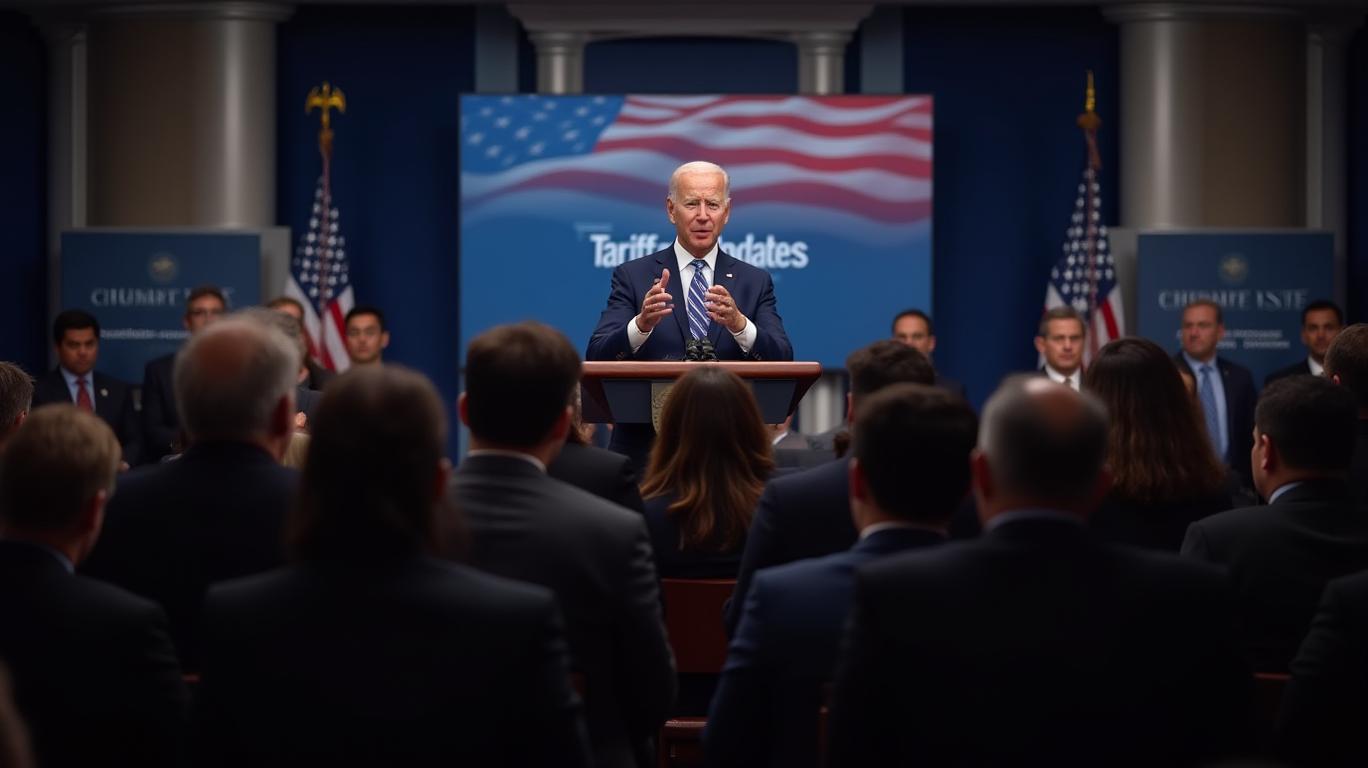
The potential for a full-blown trade war has raised concerns about the impact on global economic growth and has led investors to seek safer havens, such as gold and government bonds. The yield on the 10-year US Treasury note has fallen to its lowest level since December, as investors flock to the safety of US government debt.
Despite the recent weakness in the dollar, some analysts remain optimistic about the greenback's prospects in the long run. They argue that the US economy remains relatively strong compared to its peers, and that the Federal Reserve is likely to raise interest rates in the coming months, which would attract foreign capital and support the dollar.

However, others warn that the dollar's recent weakness could be a sign of things to come, as investors grow increasingly concerned about the Trump administration's protectionist policies and the potential impact on global trade and economic growth. They argue that the dollar could continue to weaken in the coming months, as investors seek out safer havens and as other major economies, such as the Eurozone and China, gain momentum.
In conclusion, the US dollar has been on a volatile ride in recent weeks, with the greenback hovering near two-month lows following a series of weak economic data releases and the announcement of new tariffs by President Trump. While some analysts remain optimistic about the dollar's prospects in the long run, others warn that the greenback's recent weakness could be a sign of things to come. Investors should keep a close eye on the evolving situation and consider adjusting their portfolios accordingly.
The US dollar has been on a rollercoaster ride in recent weeks, with the greenback hovering near two-month lows following a series of weak economic data releases and the announcement of new tariffs by President Donald Trump. The dollar index, which tracks the US currency against a basket of six major rivals, has fallen by more than 1% in the past two days, reaching its lowest level since mid-December.
The recent weakness in the dollar can be attributed to a combination of factors, including the release of disappointing economic data and the announcement of new tariffs by the Trump administration. On Tuesday, the Labor Department reported that US consumer prices rose less than expected in January, while the Commerce Department said that retail sales fell for the third consecutive month. These weak data points have raised concerns about the health of the US economy and have led investors to question the Federal Reserve's ability to raise interest rates in the near future.
The announcement of new tariffs by President Trump has also weighed on the dollar, as investors worry about the potential impact on global trade and economic growth. The Trump administration has proposed imposing tariffs on a wide range of imports from China, Mexico, and Canada, in an effort to protect American jobs and industries. However, these tariffs have been met with strong opposition from US trading partners, who have threatened to retaliate with their own tariffs on American goods.
The potential for a full-blown trade war has raised concerns about the impact on global economic growth and has led investors to seek safer havens, such as gold and government bonds. The yield on the 10-year US Treasury note has fallen to its lowest level since December, as investors flock to the safety of US government debt.
Despite the recent weakness in the dollar, some analysts remain optimistic about the greenback's prospects in the long run. They argue that the US economy remains relatively strong compared to its peers, and that the Federal Reserve is likely to raise interest rates in the coming months, which would attract foreign capital and support the dollar.
However, others warn that the dollar's recent weakness could be a sign of things to come, as investors grow increasingly concerned about the Trump administration's protectionist policies and the potential impact on global trade and economic growth. They argue that the dollar could continue to weaken in the coming months, as investors seek out safer havens and as other major economies, such as the Eurozone and China, gain momentum.
In conclusion, the US dollar has been on a volatile ride in recent weeks, with the greenback hovering near two-month lows following a series of weak economic data releases and the announcement of new tariffs by President Trump. While some analysts remain optimistic about the dollar's prospects in the long run, others warn that the greenback's recent weakness could be a sign of things to come. Investors should keep a close eye on the evolving situation and consider adjusting their portfolios accordingly.

Divulgación editorial y transparencia de la IA: Ainvest News utiliza tecnología avanzada de Modelos de Lenguaje Largo (LLM) para sintetizar y analizar datos de mercado en tiempo real. Para garantizar los más altos estándares de integridad, cada artículo se somete a un riguroso proceso de verificación con participación humana.
Mientras la IA asiste en el procesamiento de datos y la redacción inicial, un miembro editorial profesional de Ainvest revisa, verifica y aprueba de forma independiente todo el contenido para garantizar su precisión y cumplimiento con los estándares editoriales de Ainvest Fintech Inc. Esta supervisión humana está diseñada para mitigar las alucinaciones de la IA y garantizar el contexto financiero.
Advertencia sobre inversiones: Este contenido se proporciona únicamente con fines informativos y no constituye asesoramiento profesional de inversión, legal o financiero. Los mercados conllevan riesgos inherentes. Se recomienda a los usuarios que realicen una investigación independiente o consulten a un asesor financiero certificado antes de tomar cualquier decisión. Ainvest Fintech Inc. se exime de toda responsabilidad por las acciones tomadas con base en esta información. ¿Encontró un error? Reportar un problema




Comentarios
Aún no hay comentarios