
Dollar General CEO Warns: Consumers Struggle with Basic Essentials
Generado por agente de IAWesley Park
jueves, 13 de marzo de 2025, 9:58 am ET3 min de lectura
DG--
Ladies and gentlemen, buckle up! The retail landscape is shifting faster than a TeslaTSLA-- on autopilot, and the latest warning from Dollar General's CEO is a wake-up call for investors and consumers alike. The CEO's stark message: consumers are feeling the pinch and are only able to afford basic essentials. This is a seismic shift that could send shockwaves through the retail sector, and you need to be prepared!
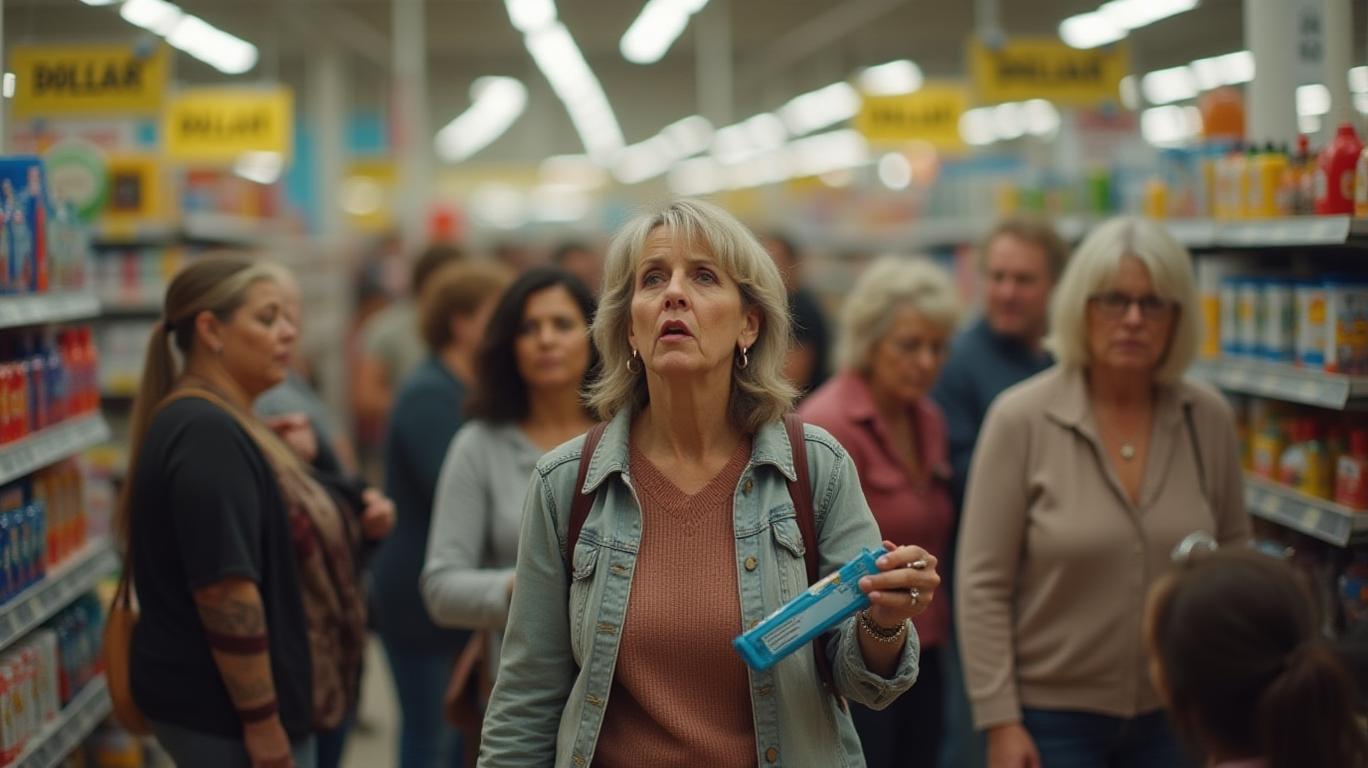
The ConsumerWise survey from 2024 paints a clear picture: despite a surge in consumer optimism in the fourth quarter, with optimism reaching 47 percent, consumers across income levels and generations are keeping their spending habits relatively subdued, particularly in discretionary and luxury categories. This cautious approach to spending is evident in the data showing that the share of consumers trading down—opting for lower-priced goods, delaying purchases, or taking another action to save money or get more value from a purchase—remained persistently high at 74 percent. This behavior indicates that consumers are prioritizing long-term financial stability over immediate gratification, which aligns with Dollar General's CEO's warning about consumers being more price-sensitive and seeking value for their money.
So, what does this mean for retailers and consumer goods manufacturers? If consumers continue to prioritize basic essentials over discretionary spending, retailers and consumer goods manufacturers may face several potential implications:
1. Shift in Product Demand: Consumers are likely to focus their spending on essential items such as food, healthcare, and utilities, rather than on discretionary items like luxury goods, entertainment, or non-essential home products. This shift in demand could lead to a decrease in sales for retailers and manufacturers in the discretionary categories. For instance, the data indicates that "a higher percentage of consumers reported intending to spend more on toys, as well as home decor and home products, compared with last quarter. Still, a smaller percentage of US consumers expected to spend more in these categories compared with consumers in Europe, and a smaller percentage of US consumers expected to spend more in these categories compared with US consumers surveyed a year ago." This suggests that even in categories where there is some intent to spend more, the overall trend is still subdued.
2. Increased Competition for Essential Goods: With more consumers focusing on essentials, there will be increased competition among retailers and manufacturers in these categories. This could lead to price wars and reduced profit margins. For example, the article mentions that "private brands are becoming more popular among consumers across income groups by offering high-quality choices that consumers perceive to have high value." This indicates that consumers are looking for value, which could drive competition among brands offering essential goodsWTRG--.
3. Need for Strategic Pricing and Marketing: Retailers and manufacturers may need to adjust their pricing strategies and marketing efforts to appeal to cost-conscious consumers. This could involve offering more promotions, discounts, or value-added services. The data shows that "74 percent said they continued to trade down, suggesting that this behavior is stickier than experts expected." This highlights the need for retailers to adapt to consumers' cost-saving behaviors.
4. Impact on Supply Chains: A sustained focus on essentials could lead to changes in supply chain dynamics, with increased demand for certain raw materials and decreased demand for others. This could affect production schedules, inventory management, and logistics. The article mentions that "supply chains under pressure" is one of the challenges retailers face, indicating that any shifts in consumer demand could exacerbate these issues.
5. Opportunities for Innovation: While the shift in consumer spending presents challenges, it also offers opportunities for innovation. Retailers and manufacturers could develop new products or services that cater to consumers' needs for essential goods while also offering value and convenience. For example, the article discusses how technology like AI is being used to streamline operations and create more captivating customer experiences, which could be leveraged to meet the evolving needs of consumers.
In summary, if consumers continue to prioritize basic essentials over discretionary spending, retailers and consumer goods manufacturers will need to adapt their strategies to meet changing demand patterns, compete more intensely in essential goods categories, and innovate to offer value and convenience to cost-conscious consumers.
So, what does this mean for your portfolio? The shift in consumer spending habits towards more cautious and intentional consumption is likely to favor value stocks over growth stocks in the retail sector. Value-oriented companies that offer affordable products and services are poised to benefit from the increasing demand for lower-priced goods, while growth-oriented companies that rely on luxury and discretionary spending may face headwinds.
Do not miss out on this opportunity to reposition your portfolio! Stay ahead of the curve and make the necessary adjustments to capitalize on this changing landscape. The market is a fickle beast, and those who adapt will thrive. So, buckle up and get ready to ride the wave of change!
Ladies and gentlemen, buckle up! The retail landscape is shifting faster than a TeslaTSLA-- on autopilot, and the latest warning from Dollar General's CEO is a wake-up call for investors and consumers alike. The CEO's stark message: consumers are feeling the pinch and are only able to afford basic essentials. This is a seismic shift that could send shockwaves through the retail sector, and you need to be prepared!
The ConsumerWise survey from 2024 paints a clear picture: despite a surge in consumer optimism in the fourth quarter, with optimism reaching 47 percent, consumers across income levels and generations are keeping their spending habits relatively subdued, particularly in discretionary and luxury categories. This cautious approach to spending is evident in the data showing that the share of consumers trading down—opting for lower-priced goods, delaying purchases, or taking another action to save money or get more value from a purchase—remained persistently high at 74 percent. This behavior indicates that consumers are prioritizing long-term financial stability over immediate gratification, which aligns with Dollar General's CEO's warning about consumers being more price-sensitive and seeking value for their money.
So, what does this mean for retailers and consumer goods manufacturers? If consumers continue to prioritize basic essentials over discretionary spending, retailers and consumer goods manufacturers may face several potential implications:
1. Shift in Product Demand: Consumers are likely to focus their spending on essential items such as food, healthcare, and utilities, rather than on discretionary items like luxury goods, entertainment, or non-essential home products. This shift in demand could lead to a decrease in sales for retailers and manufacturers in the discretionary categories. For instance, the data indicates that "a higher percentage of consumers reported intending to spend more on toys, as well as home decor and home products, compared with last quarter. Still, a smaller percentage of US consumers expected to spend more in these categories compared with consumers in Europe, and a smaller percentage of US consumers expected to spend more in these categories compared with US consumers surveyed a year ago." This suggests that even in categories where there is some intent to spend more, the overall trend is still subdued.
2. Increased Competition for Essential Goods: With more consumers focusing on essentials, there will be increased competition among retailers and manufacturers in these categories. This could lead to price wars and reduced profit margins. For example, the article mentions that "private brands are becoming more popular among consumers across income groups by offering high-quality choices that consumers perceive to have high value." This indicates that consumers are looking for value, which could drive competition among brands offering essential goodsWTRG--.
3. Need for Strategic Pricing and Marketing: Retailers and manufacturers may need to adjust their pricing strategies and marketing efforts to appeal to cost-conscious consumers. This could involve offering more promotions, discounts, or value-added services. The data shows that "74 percent said they continued to trade down, suggesting that this behavior is stickier than experts expected." This highlights the need for retailers to adapt to consumers' cost-saving behaviors.
4. Impact on Supply Chains: A sustained focus on essentials could lead to changes in supply chain dynamics, with increased demand for certain raw materials and decreased demand for others. This could affect production schedules, inventory management, and logistics. The article mentions that "supply chains under pressure" is one of the challenges retailers face, indicating that any shifts in consumer demand could exacerbate these issues.
5. Opportunities for Innovation: While the shift in consumer spending presents challenges, it also offers opportunities for innovation. Retailers and manufacturers could develop new products or services that cater to consumers' needs for essential goods while also offering value and convenience. For example, the article discusses how technology like AI is being used to streamline operations and create more captivating customer experiences, which could be leveraged to meet the evolving needs of consumers.
In summary, if consumers continue to prioritize basic essentials over discretionary spending, retailers and consumer goods manufacturers will need to adapt their strategies to meet changing demand patterns, compete more intensely in essential goods categories, and innovate to offer value and convenience to cost-conscious consumers.
So, what does this mean for your portfolio? The shift in consumer spending habits towards more cautious and intentional consumption is likely to favor value stocks over growth stocks in the retail sector. Value-oriented companies that offer affordable products and services are poised to benefit from the increasing demand for lower-priced goods, while growth-oriented companies that rely on luxury and discretionary spending may face headwinds.
Do not miss out on this opportunity to reposition your portfolio! Stay ahead of the curve and make the necessary adjustments to capitalize on this changing landscape. The market is a fickle beast, and those who adapt will thrive. So, buckle up and get ready to ride the wave of change!

Divulgación editorial y transparencia de la IA: Ainvest News utiliza tecnología avanzada de Modelos de Lenguaje Largo (LLM) para sintetizar y analizar datos de mercado en tiempo real. Para garantizar los más altos estándares de integridad, cada artículo se somete a un riguroso proceso de verificación con participación humana.
Mientras la IA asiste en el procesamiento de datos y la redacción inicial, un miembro editorial profesional de Ainvest revisa, verifica y aprueba de forma independiente todo el contenido para garantizar su precisión y cumplimiento con los estándares editoriales de Ainvest Fintech Inc. Esta supervisión humana está diseñada para mitigar las alucinaciones de la IA y garantizar el contexto financiero.
Advertencia sobre inversiones: Este contenido se proporciona únicamente con fines informativos y no constituye asesoramiento profesional de inversión, legal o financiero. Los mercados conllevan riesgos inherentes. Se recomienda a los usuarios que realicen una investigación independiente o consulten a un asesor financiero certificado antes de tomar cualquier decisión. Ainvest Fintech Inc. se exime de toda responsabilidad por las acciones tomadas con base en esta información. ¿Encontró un error? Reportar un problema




Comentarios
Aún no hay comentarios