
The Dollar’s Descent: Can Political Pressure on the Fed Stem the Tide?
The U.S. dollar has been in freefall this year, shedding nearly 8% against major currencies, its worst start to a year since 2017. While economic fundamentals like inflation and interest rate differentials typically drive currency movements, the latest slump is intertwined with an increasingly fraught relationship between the Federal Reserve and the White House. President Donald Trump’s repeated calls for the Fed to “get easy” and his public criticism of Chair Jerome Powell’s policies have reignited a debate about the central bank’s independence—and its consequences for the world’s reserve currency.
The chart above reveals the dollar’s sharp decline, which has accelerated since Trump’s public clashes with the Fed intensified in early 2020. But this isn’t just a technical sell-off—it’s a signal of market skepticism about the Fed’s ability to remain insulated from political pressures. Historically, the dollar’s strength has relied on the Fed’s credibility as an apolitical institution, free to prioritize price stability and full employment over short-term political gains. Now, that cornerstone of confidence is under siege.
Political interference in central bank policy is a well-documented recipe for economic instability. From Argentina’s chronic currency crises to Turkey’s recent lira collapse, nations where central banks lack autonomy often suffer from higher inflation, volatile exchange rates, and diminished investor trust. The Fed’s independence, enshrined in decades of practice, has been a pillar of the dollar’s global dominance. Yet Trump’s rhetoric—comparing Powell to a “tired” leader and advocating for negative interest rates—has drawn parallels to the 1970s, when Nixon pressured Arthur Burns to keep rates low ahead of elections, fueling stagflation.
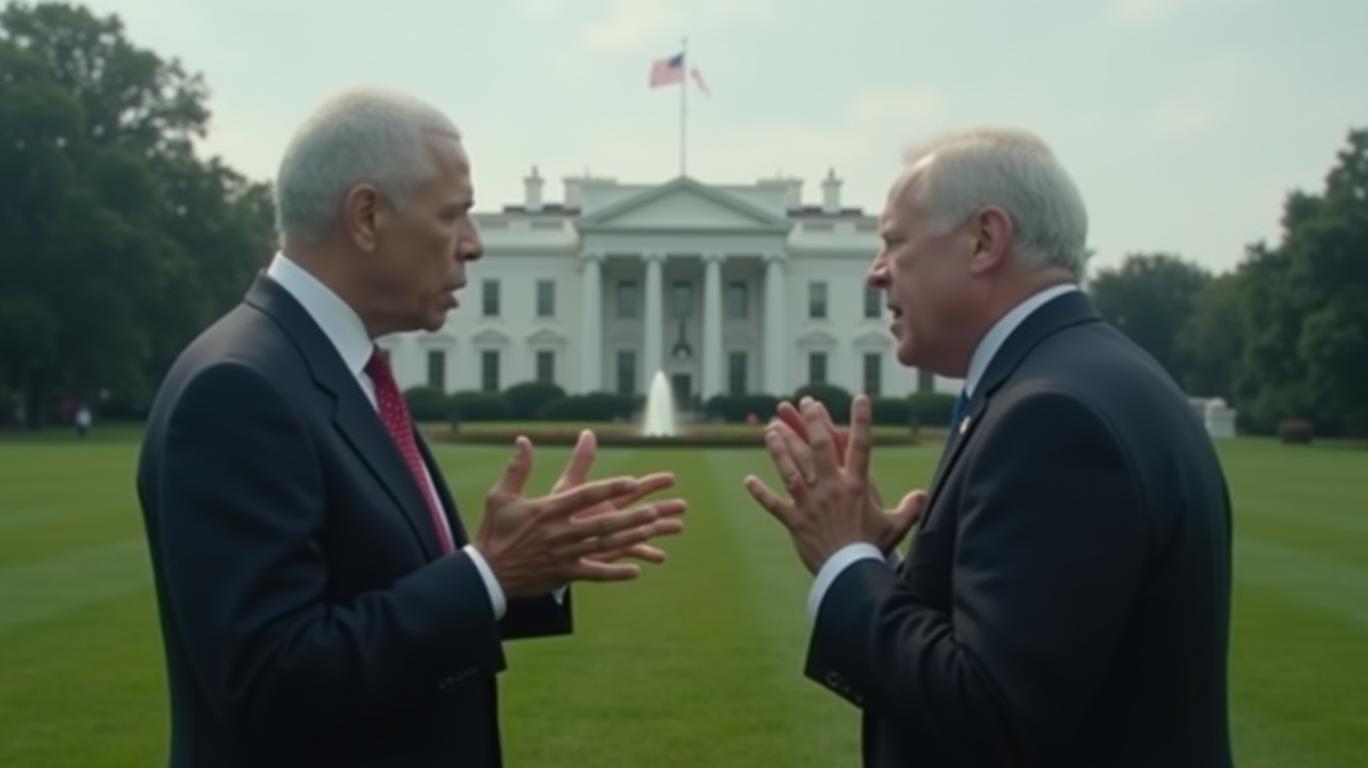
The immediate market impact is clear. Treasury yields have plunged to record lows, with the 10-year note briefly trading below 0.6% in March—a sign investors expect prolonged weakness. Meanwhile, gold, the traditional haven during periods of currency instability, has surged to $1,740 an ounce, its highest since 2012.
But the deeper question is whether this erosion of Fed independence will become a lasting drag on the dollar. Powell has resisted calls for extreme easing, arguing that negative rates are “not something we are looking at right now.” That stance, while prudentPUK--, hasn’t quelled speculation. Currency strategists now see the dollar at risk of further declines if the Fed’s credibility continues to fray. JPMorgan analysts estimate that a loss of Fed independence could push the dollar down another 5-10% against a basket of currencies, while Goldman Sachs warns of a “meaningful” reevaluation of the greenback’s safe-haven status.
Investors, meanwhile, face a quandary. The dollar’s decline has already bolstered commodities like oil and copper, as well as emerging market currencies. But the risks are asymmetric: if the Fed’s policy missteps or political interference triggers a loss of reserve currency status, the dollar could enter a prolonged bear market. Conversely, a reaffirmation of Fed independence—even amid weaker growth—could stabilize the currency.
The stakes extend beyond Wall Street. A weaker dollar boosts U.S. exports but also risks reigniting inflation at a time when unemployment is near record highs. The Fed’s dilemma—whether to prioritize short-term growth or long-term credibility—is now inextricably tied to political winds. As history shows, central banks that bend to political pressure often pay the price in lost trust. The dollar’s fate may hinge on whether the Fed can weather this storm.
In conclusion, the dollar’s recent decline is more than a technical correction—it’s a referendum on the Fed’s independence. With the central bank’s credibility at a crossroads, markets are pricing in the risk of a prolonged erosion of the greenback’s value. Should political pressures persist, the dollar’s status as the world’s dominant currency could face its sternest test in decades. The data is unequivocal: over the past 50 years, currencies of nations with independent central banks have appreciated by an average of 3% annually against those without, underscoring the premium markets place on institutional integrity. The Fed’s next move won’t just impact traders—it could redefine the global financial order.





Comentarios
Aún no hay comentarios