
Dollar Advances as Trump Eyes More Canada, Mexico Tariffs
Generado por agente de IAWesley Park
lunes, 20 de enero de 2025, 9:39 pm ET1 min de lectura
The U.S. dollar has been on a tear this year, with the Bloomberg Dollar Spot Index up a whopping 6.3% as of early November. A significant portion of this rally can be attributed to President-elect Donald Trump's proposed tariffs on key trading partners, including Canada and Mexico. As the new administration takes shape, investors are bracing for more tariff-related volatility and its potential impact on the greenback.
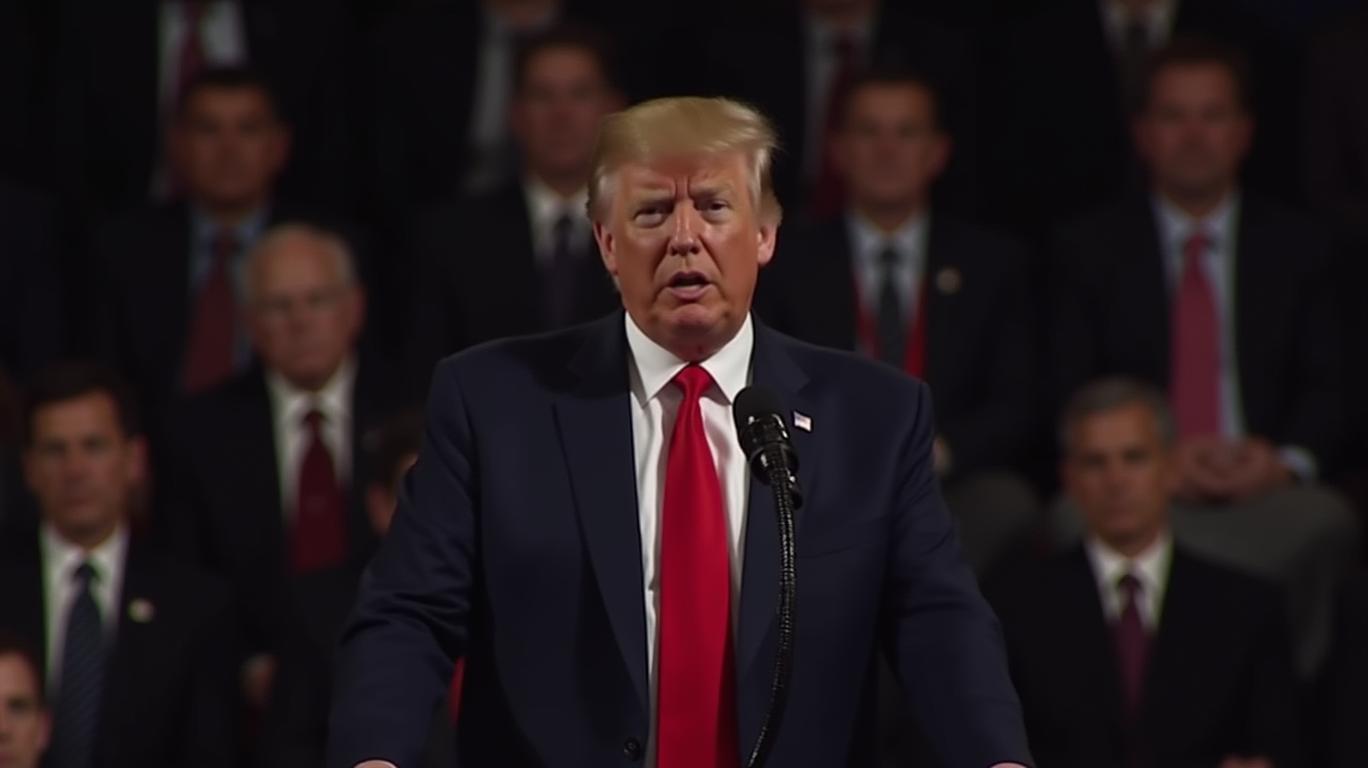
Trump's tariff targets have been a moving target throughout his first term, with the U.S. imposing tariffs on a wide range of goods from various countries. In his latest round of proposed tariffs, Trump has threatened to slap a 25% tariff on Mexican and Canadian imports, while adding an additional 10% tariff on Chinese goods. These tariffs, if implemented, would significantly impact the U.S. trade balance and potentially drive up prices for American consumers.
The proposed tariffs on Canada and Mexico have already drawn retaliation threats from both countries. Mexican President Claudia Sheinbaum has warned that Mexico could respond with tariffs of its own, while Canadian officials have hinted at similar measures. These retaliatory tariffs could further disrupt global supply chains and lead to higher prices for consumers in all three countries.

The potential for higher inflation is one of the main concerns surrounding Trump's tariffs. If tariffs lead to increased prices for imported goods, it could contribute to inflation in the U.S. If inflation rises faster than expected, it could lead the Federal Reserve to raise interest rates more aggressively, making the U.S. dollar more attractive to foreign investors and potentially strengthening the dollar in the long term.
However, the long-term impact of Trump's tariffs on the U.S. dollar is far from certain. While some analysts expect the dollar to continue strengthening, others warn that a full-blown trade war could lead to a decrease in global trade, which could negatively impact the U.S. economy and, consequently, the U.S. dollar. Additionally, if other countries retaliate with their own tariffs, it could lead to a global trade war, which could put downward pressure on the dollar.
In conclusion, Trump's proposed tariffs on Canada and Mexico have the potential to drive up inflation and disrupt global supply chains, which could have both short-term and long-term impacts on the U.S. dollar. While some analysts expect the dollar to continue strengthening, others warn of the risks of a full-blown trade war. Investors should closely monitor the situation and be prepared for potential volatility in the currency markets.



Divulgación editorial y transparencia de la IA: Ainvest News utiliza tecnología avanzada de Modelos de Lenguaje Largo (LLM) para sintetizar y analizar datos de mercado en tiempo real. Para garantizar los más altos estándares de integridad, cada artículo se somete a un riguroso proceso de verificación con participación humana.
Mientras la IA asiste en el procesamiento de datos y la redacción inicial, un miembro editorial profesional de Ainvest revisa, verifica y aprueba de forma independiente todo el contenido para garantizar su precisión y cumplimiento con los estándares editoriales de Ainvest Fintech Inc. Esta supervisión humana está diseñada para mitigar las alucinaciones de la IA y garantizar el contexto financiero.
Advertencia sobre inversiones: Este contenido se proporciona únicamente con fines informativos y no constituye asesoramiento profesional de inversión, legal o financiero. Los mercados conllevan riesgos inherentes. Se recomienda a los usuarios que realicen una investigación independiente o consulten a un asesor financiero certificado antes de tomar cualquier decisión. Ainvest Fintech Inc. se exime de toda responsabilidad por las acciones tomadas con base en esta información. ¿Encontró un error? Reportar un problema




Comentarios
Aún no hay comentarios