
DOJ Considers Blocking RedSail-PrimeRx Merger Over Market Concentration Fears
The U.S. Justice Department is considering challenging a major merger in the pharmacy software sector, as antitrust regulators increase their scrutiny of the healthcare industry. The deal involves RedSail Technologies acquiring Micro Merchants Systems, the parent company of PrimeRx, a pharmacy management software provider. The companies did not publicly announce the transaction, but sources familiar with the matter confirmed they met with Gail Slater, the DOJ's top antitrust official, in late November according to Bloomberg.
The proposed merger raises concerns over market concentration, as both RedSail and PrimeRx serve small independent pharmacies. 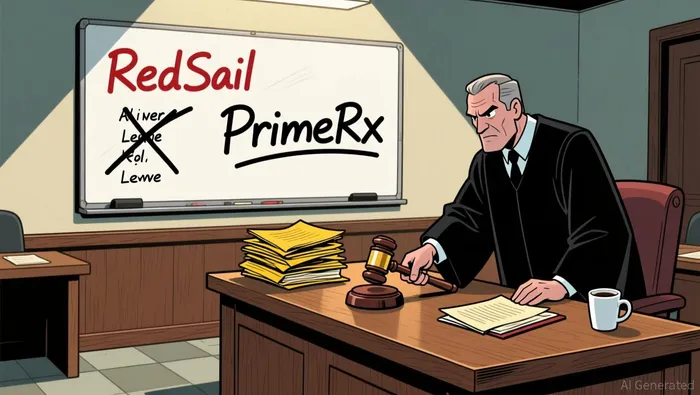 RedSail, backed by Francisco Partners and other investors, has acquired several pharmacy software and services firms in recent years. The company claims to support more than 12,000 pharmacies across the country according to Bloomberg.
Micro Merchants Systems, supported by TA Associates Management, has also been active in the space, but the combination of the two firms could create a dominant player in pharmacy software. The meeting with DOJ officials is seen as a sign that the agency is closely examining the deal, though it has not yet made a final decision on whether to sue according to Bloomberg.
Why the Standoff Happened
The DOJ's interest in the RedSail-PrimeRx merger is part of a broader strategy to curb anticompetitive behavior in healthcare. The Biden administration has made healthcare an enforcement priority, and recent actions by the FTC and DOJ have signaled a tougher stance on mergers that could reduce competition according to Bloomberg.
Slater, who took office in March 2025, has yet to file a formal antitrust lawsuit against a merger. However, the fact that she met with the companies' representatives suggests she is seriously considering legal action. The DOJ typically reviews mergers through a confidential process, and companies are allowed to submit remedies or concessions to address concerns before a lawsuit is filed according to Bloomberg.
The pharmacy software market serves as a critical backbone for independent pharmacies, many of which rely on these systems for inventory management, billing, and patient data. If the DOJ determines that the merger would reduce choice or increase costs for small pharmacies, it could move quickly to block the deal according to Bloomberg.
How Markets Reacted
The potential challenge has not yet caused a broad market reaction in the pharmacy software sector. However, shares of related healthcare technology companies have shown mixed performance in recent weeks, reflecting investor uncertainty about regulatory risks. The healthcare sector, in general, has seen heightened volatility due to a wave of large-scale deals and regulatory scrutiny according to MarketWatch.
Pharmacy chains and independent operators are also watching closely, as the outcome of the DOJ's review could affect pricing and service offerings. If the merger is blocked, it may lead to a reevaluation of consolidation strategies in the pharmacy technology space, with some firms reconsidering future deals according to Bloomberg.
Regulatory uncertainty is a recurring theme in the healthcare industry, particularly as antitrust enforcement intensifies. Companies across the sector are adjusting their strategies to account for the possibility of stricter merger reviews, longer approval times, and the need to demonstrate competitive benefits to regulators according to Bloomberg.
What Analysts Are Watching
Analysts are keeping a close eye on the DOJ's decision-making process in the RedSail-PrimeRx case. A lawsuit would represent the first major test of Slater's enforcement approach and could influence the regulatory landscape for similar deals in other sectors. It could also set a precedent for how private equity-backed transactions are treated under Biden-era antitrust policies according to Bloomberg.
Legal experts note that the DOJ has shifted toward a more aggressive stance on mergers, especially those involving private equity firms. The agency has already filed lawsuits against several deals it deemed harmful to competition, and the pharmacy software merger could fit into this pattern according to Bloomberg.
Investors are also monitoring the broader trend of increased antitrust scrutiny, which has already impacted companies in the tech and healthcare sectors. A decision by the DOJ to sue could lead to a broader reassessment of merger strategies, particularly in industries where market concentration is high according to Bloomberg.







Comentarios
Aún no hay comentarios