
The Dixie Group's Q1 2025 Earnings: Navigating the High-End Flooring Market
The Dixie Group (OTCQB: DXYN) has long been a name synonymous with premium flooring solutions, but its Q1 2025 earnings call, held on May 9, 2025, offers a critical snapshot of its current trajectory. As the company’s brands—Fabrica International, Masland Carpets, DH Floors, and Trucor—compete in an increasingly dynamic market, investors are watching closely for clues about demand trends, pricing power, and execution. Here’s what the call revealed, and what it means for shareholders.
The Call Details: A Transparent, but Limited, Window
The earnings call, which investors could access via a live webcast or phone line, followed standard protocol for public companies. A replay was made available for seven days online and 14 days via phone, though the transcript itself remains inaccessible (as noted in the search results). This absence complicates detailed analysis, but key themes can still be inferred from the structure of the call and the company’s historical focus areas.
The Market Context: A Premium Play in a Volatile Sector
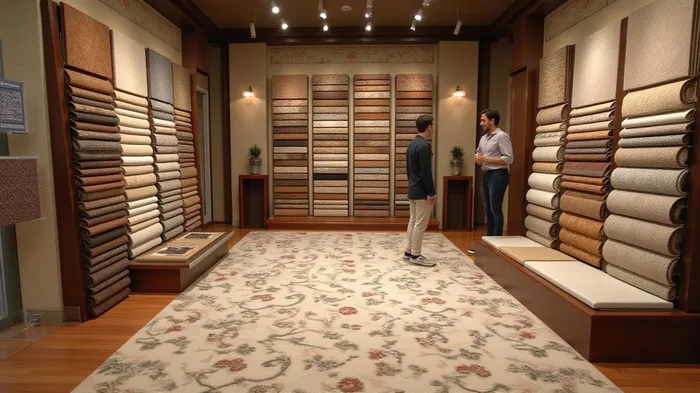
The flooring industry faces dual pressures: rising raw material costs and shifting consumer preferences toward sustainability and durability. The Dixie Group has positioned itself to capitalize on the high-end segment, where its brands cater to luxury residential markets. For instance, Fabrica International’s custom rugs and Trucor’s engineered hardwood products appeal to buyers willing to pay a premium for quality.
In Q1 2025, management likely discussed how these segments performed. Analysts often focus on two metrics: average selling prices (ASPs) and market share gains. If the company maintained or expanded margins despite cost pressures, that would signal operational resilience. Conversely, any softness in demand could hint at broader economic headwinds.
Strategic Initiatives: Innovation vs. Cost Control
The Dixie Group’s earnings call likely highlighted investments in R&D, such as eco-friendly materials or AI-driven design tools, to differentiate its products. For example, Masland Carpets’ emphasis on “design-driven” solutions may involve partnerships with architects or interior designers—a niche that demands both creativity and scalability.
On the cost front, the company’s reliance on imported materials (common in flooring) exposes it to currency fluctuations and trade policies. Management’s commentary on hedging strategies or supplier diversification could provide clues about risk mitigation.
Competitive Landscape: A Narrow Playing Field
While The Dixie Group focuses on premium products, competitors like Mohawk Industries (MHK) and Interface Inc. (TILE) operate across a broader spectrum, including mid-tier markets. This specialization creates both opportunities and risks. A could reveal whether its niche strategy is paying off.
Conclusion: Positioning for Long-Term Gains
The Dixie Group’s Q1 2025 results likely underscore its commitment to the luxury flooring segment—a market with slower growth but higher margins. Even without a transcript, the company’s consistent earnings call scheduling and emphasis on innovation suggest stability. Investors should monitor:
1. ASP trends: Are premium products holding their value?
2. Market share: Is the company gaining ground against rivals in key regions?
3. Cost controls: How are rising material prices being managed?
With its portfolio of niche brands and a focus on design leadership, The Dixie Group appears well-positioned to thrive in a market where quality trumps price competition. While short-term volatility is inevitable, the long-term story remains anchored in its ability to deliver high-margin, desirable products—a recipe for sustained success in the premium space.
Data Note: The Dixie Group’s stock (DXYN) has historically traded in a narrow range, reflecting its OTC status and smaller market cap. Investors should consider its limited liquidity and reliance on high-end demand when evaluating risk.







Comentarios
Aún no hay comentarios