
DISH's $3.5B Default: Crown Castle's High-Stakes Legal Bet
The scale of the event is stark. Crown CastleCCI-- has formally terminated its contract with DISH Wireless after the carrier defaulted on payments exceeding $3.5 billion. This isn't a minor billing dispute; it's a massive, immediate breach that forces the tower giant to act to protect its shareholders.
The core of the legal battle is now in federal court. Crown Castle sued DISH in November, arguing the carrier cannot use its spectrum sales as a force majeure excuse to void long-term leases. The company's complaint, filed on November 20, 2025, asserts that DISH's Master Services Agreement remains binding and unaffected by its corporate restructuring or the pending spectrum divestitures. In other words, Crown Castle says the contract still controls, regardless of DISH's new strategy.
This lawsuit follows a near-identical move by American Tower, framing a clear sector-wide legal battle. Both major tower operators are challenging DISH's claim that its spectrum sale to AT&T and SpaceX-transactions valued at over $40 billion-relieves it of its contractual obligations. Crown Castle's argument is that these were voluntary business decisions, not unforeseen events, and therefore do not extinguish the long-term lease commitments DISH signed in late 2020. The dispute has escalated quickly, with Crown Castle now seeking a declaratory judgment that the agreements remain in full force.
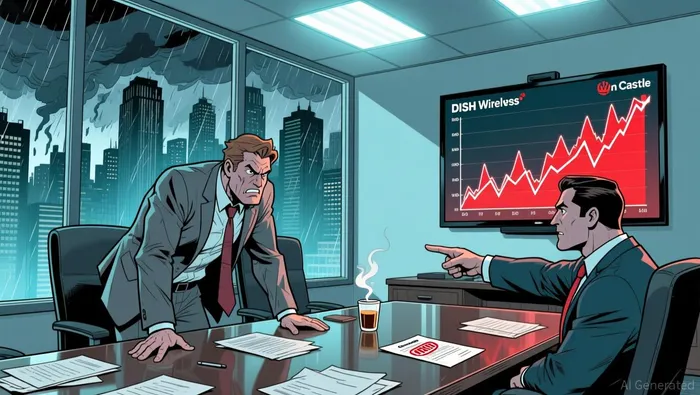
The Legal Battlefield: Force Majeure vs. Contractual Obligation
The dispute now hinges on a classic legal clash: whether a massive, voluntary business sale qualifies as a force majeure event. DISH's argument is that the Federal Communications Commission probe into its 5G commitments forced it to sell its spectrum to AT&T and SpaceX, making its network dismantling a necessity beyond its control. This, it claims, triggers a force majeure clause in its long-term leases, excusing it from further payments.
Crown Castle's counter is direct and dismissive. It calls the spectrum sales a voluntary decision to cash in on market value, not an unforeseen disaster. The company argues that the sales were a strategic business move, not a government-imposed mandate, and therefore do not excuse DISH from its contractual obligations. In its November lawsuit, Crown Castle stated the sales "invented an excuse" for the carrier to avoid its lease payments.
This battle is not without precedent. A prior Colorado jury verdict, upheld by the state appeals court, found in DISH's favor on a $32 million lease dispute stemming from ambiguous language in a master lease agreement. That case shows a court can interpret lease terms in a way that benefits the carrier, creating a potential risk for Crown Castle in its current fight. The precedent suggests that even well-drafted contracts can be vulnerable to interpretation, especially when the language is not crystal clear.
The bottom line is that Crown Castle is betting that the spectrum sales were a planned, profitable exit, not a forced retreat. Its lawsuit seeks a court declaration that the agreements remain in full force. For now, the legal battlefield is set, with the outcome likely to hinge on the specific wording of the force majeure clause and how a judge or jury interprets the nature of the FCC's actions versus EchoStar's market decisions.
Financial Impact and the Investment Setup
The lawsuit is now a direct financial bet. Crown Castle's recent earnings show the setup clearly. In Q3 2025, the company posted a 42.31% EPS surprise, driven by 5.2% organic growth in its core tower business. That beat masked a 4.72% revenue miss, which included a $51 million hit from Sprint cancellations. The DISH default, at over $3.5 billion, is a far larger liability than any single carrier cancellation. The lawsuit seeks to enforce DISH's payment obligations, which could directly offset future revenue misses from similar carrier exits.
A win would secure hundreds of millions in rent. The precedent from Colorado is a stark warning. In a prior case, a jury awarded DISH a 9-figure verdict against Crown Castle, a claim that stood to cost DISH hundreds of millions in additional rent at 20,000 cell tower sites. That case was affirmed on appeal, showing a court can interpret lease terms in a way that benefits the carrier. Crown Castle's current legal team is now facing the same high-stakes challenge.
The investment implication is binary. For now, the stock's modest aftermarket pop on earnings suggests the market is focusing on the organic growth story, not the looming litigation. But the DISH default is a material, unresolved liability. A Crown Castle victory would validate its contractual position and secure a major revenue stream. A loss would validate a trend of major carriers restructuring their obligations, potentially opening the door for other tenants to challenge their leases. The legal outcome will determine whether this is a hidden asset or a hidden risk.
Catalysts and What to Watch
The immediate catalyst is the outcome of the federal lawsuit filed in November. Crown Castle is seeking a declaratory judgment that its Master Services Agreement remains in full force. A court ruling in its favor would be a major win, validating its position that DISH cannot use its spectrum sales as a force majeure excuse. A loss would be a severe blow, potentially opening the door for other tenants to challenge their leases and confirming a trend of carriers restructuring obligations.
Watch for DISH's transition period payments. Even as the lawsuit plays out, DISH is still operating certain cell sites during its network shutdown. The company's September 25 letter to Crown Castle asserts its spectrum sale relieved it of long-standing obligations, but the legal battle is over whether those obligations are truly extinguished. Any payments made during this transition period-or the lack thereof-will be a key indicator of DISH's financial posture and its willingness to meet interim commitments while the court decides.
Monitor if other tower operators follow Crown Castle's lead. While American Tower has already filed a similar suit, the broader industry response is a critical variable. Crown Castle's lawsuit notes that other tower owners are actively reviewing their contracts. If more midsize and regional towercos file suits, it would amplify the legal precedent and increase the total value at risk. This would turn a single company's dispute into a sector-wide test of contract enforceability, with far-reaching implications for tower operator valuations.





Comentarios
Aún no hay comentarios