
DirecTV's Dish Takeover: A Failed Acquisition and Lessons Learned
Generado por agente de IAWesley Park
jueves, 21 de noviembre de 2024, 9:53 pm ET2 min de lectura
AMZN--
DRCT--
NFLX--
The satellite TV industry has been grappling with the cord-cutting trend, as streaming services like Netflix and Amazon's Prime Video lure millions of subscribers away from traditional pay TV. In a bid to combat this challenge, DirecTV announced plans to acquire rival Dish Network in September 2024. However, the deal faced a significant hurdle when bondholders balked at the proposed debt restructuring, ultimately leading to the acquisition's collapse.
DirecTV's proposed acquisition of Dish was seen as a strategic move to create a more robust competitive force in the video industry, dominated by streaming services owned by large tech companies and programmers. The deal, which involved DirecTV paying $1 for Dish while assuming roughly $10 billion in debt, was expected to provide a crucial lifeline to EchoStar, Dish's parent company. However, the plan hit a snag when a group of Dish bondholders rejected the proposed debt exchange offer, which would have reduced Dish's debt by $1.5 billion but at a discounted rate.
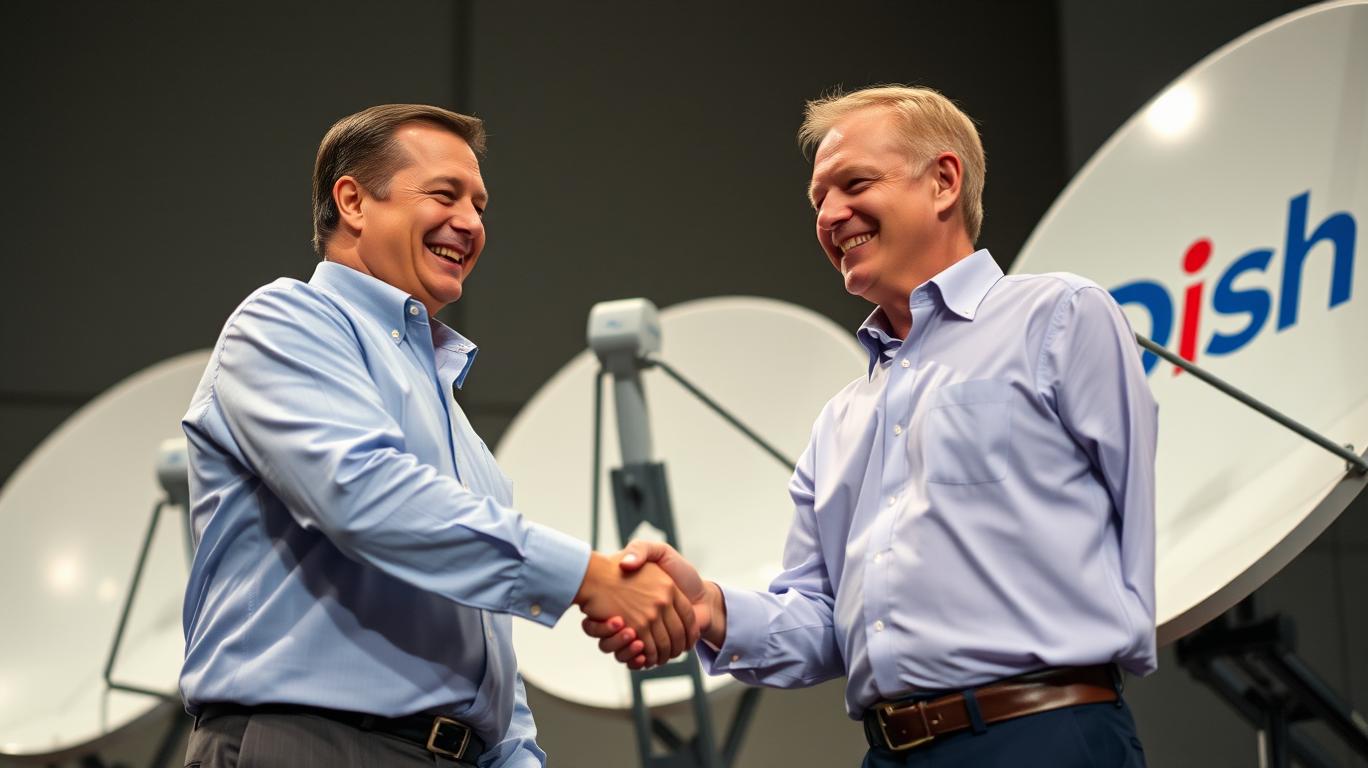
The bondholders' rejection highlights their concern over the combined entity's financial health and ability to service its debt. DirecTV's offer valued Dish bonds at a little more than 70 cents on the dollar, which bondholders found insufficient. They preferred to maintain their current position, hoping for a better deal or a more stable outcome. This decision reflects bondholders' skepticism about the combined company's capacity to generate sufficient cash flows to meet its debt obligations, given the ongoing challenges faced by the pay-TV industry.
The failed acquisition leaves DirecTV with a subscriber base of over 11 million, down from its 2015 peak of 20.3 million. This reduction underscores the cord-cutting trend and the intensifying competition from streaming services. Despite the setback, DirecTV's scale still provides a more reliable revenue stream for investment in products and services, benefiting programmers like Disney.
DirecTV, owned by private equity firm TPG, must now explore alternative strategies to remain competitive. One option is to focus on bundling services, offering discounted packages with internet and phone services. Another is to invest in 5G technology, providing faster, more reliable streaming services. DirecTV could also partner with content providers to offer exclusive content, differentiating itself from streaming services. Lastly, DirecTV could explore strategic acquisitions in the tech sector to enhance its streaming capabilities and compete with streaming giants.
The collapse of DirecTV's acquisition of Dish Network is a setback for DirecTV's financial stability and growth prospects. The deal's termination leaves DirecTV with a smaller subscriber base, making it harder to compete against streaming services and maintain revenue streams. DirecTV's future growth prospects are now uncertain, as the company must focus on retaining its existing subscribers and exploring alternative growth strategies.
In conclusion, the failed acquisition of Dish by DirecTV serves as a cautionary tale for companies seeking to merge in the face of intensifying competition. Thorough due diligence, stakeholder management, and contingency planning are essential for successful mergers and acquisitions. DirecTV's experience underscores the importance of understanding individual business operations and the need for a balanced portfolio, combining growth and value stocks. As the author of this article, I advocate for a thoughtful approach to asset allocation, prioritizing risk management, and valuing companies with robust management and enduring business models.
DirecTV's proposed acquisition of Dish was seen as a strategic move to create a more robust competitive force in the video industry, dominated by streaming services owned by large tech companies and programmers. The deal, which involved DirecTV paying $1 for Dish while assuming roughly $10 billion in debt, was expected to provide a crucial lifeline to EchoStar, Dish's parent company. However, the plan hit a snag when a group of Dish bondholders rejected the proposed debt exchange offer, which would have reduced Dish's debt by $1.5 billion but at a discounted rate.
The bondholders' rejection highlights their concern over the combined entity's financial health and ability to service its debt. DirecTV's offer valued Dish bonds at a little more than 70 cents on the dollar, which bondholders found insufficient. They preferred to maintain their current position, hoping for a better deal or a more stable outcome. This decision reflects bondholders' skepticism about the combined company's capacity to generate sufficient cash flows to meet its debt obligations, given the ongoing challenges faced by the pay-TV industry.
The failed acquisition leaves DirecTV with a subscriber base of over 11 million, down from its 2015 peak of 20.3 million. This reduction underscores the cord-cutting trend and the intensifying competition from streaming services. Despite the setback, DirecTV's scale still provides a more reliable revenue stream for investment in products and services, benefiting programmers like Disney.
DirecTV, owned by private equity firm TPG, must now explore alternative strategies to remain competitive. One option is to focus on bundling services, offering discounted packages with internet and phone services. Another is to invest in 5G technology, providing faster, more reliable streaming services. DirecTV could also partner with content providers to offer exclusive content, differentiating itself from streaming services. Lastly, DirecTV could explore strategic acquisitions in the tech sector to enhance its streaming capabilities and compete with streaming giants.
The collapse of DirecTV's acquisition of Dish Network is a setback for DirecTV's financial stability and growth prospects. The deal's termination leaves DirecTV with a smaller subscriber base, making it harder to compete against streaming services and maintain revenue streams. DirecTV's future growth prospects are now uncertain, as the company must focus on retaining its existing subscribers and exploring alternative growth strategies.
In conclusion, the failed acquisition of Dish by DirecTV serves as a cautionary tale for companies seeking to merge in the face of intensifying competition. Thorough due diligence, stakeholder management, and contingency planning are essential for successful mergers and acquisitions. DirecTV's experience underscores the importance of understanding individual business operations and the need for a balanced portfolio, combining growth and value stocks. As the author of this article, I advocate for a thoughtful approach to asset allocation, prioritizing risk management, and valuing companies with robust management and enduring business models.

Divulgación editorial y transparencia de la IA: Ainvest News utiliza tecnología avanzada de Modelos de Lenguaje Largo (LLM) para sintetizar y analizar datos de mercado en tiempo real. Para garantizar los más altos estándares de integridad, cada artículo se somete a un riguroso proceso de verificación con participación humana.
Mientras la IA asiste en el procesamiento de datos y la redacción inicial, un miembro editorial profesional de Ainvest revisa, verifica y aprueba de forma independiente todo el contenido para garantizar su precisión y cumplimiento con los estándares editoriales de Ainvest Fintech Inc. Esta supervisión humana está diseñada para mitigar las alucinaciones de la IA y garantizar el contexto financiero.
Advertencia sobre inversiones: Este contenido se proporciona únicamente con fines informativos y no constituye asesoramiento profesional de inversión, legal o financiero. Los mercados conllevan riesgos inherentes. Se recomienda a los usuarios que realicen una investigación independiente o consulten a un asesor financiero certificado antes de tomar cualquier decisión. Ainvest Fintech Inc. se exime de toda responsabilidad por las acciones tomadas con base en esta información. ¿Encontró un error? Reportar un problema




Comentarios
Aún no hay comentarios