
The Diplomatic Tightrope: Implications of U.S.-Backed Russia-Ukraine Talks Without a Ceasefire
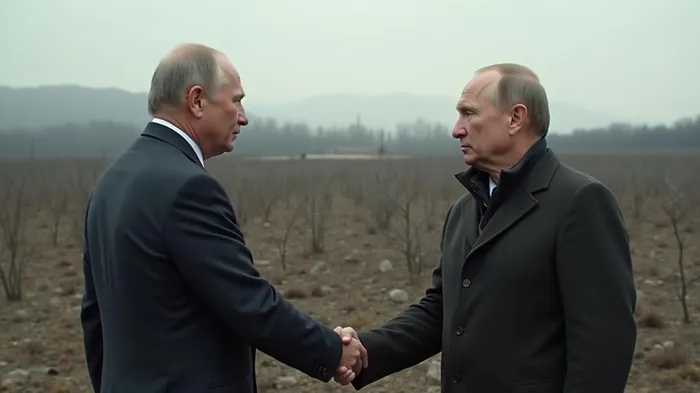
The ongoing Russia-Ukraine conflict has reached a pivotal juncture, with U.S. President Donald Trump urging Ukraine to engage in direct talks with Russia without first securing a ceasefire. This stance clashes with Kyiv’s firm demand for an unconditional 30-day pause in hostilities as a prerequisite for negotiations. The geopolitical standoff has profound implications for global markets, particularly in energy, defense, and currency sectors.
Market Reactions: Volatility Amid Diplomatic Stalemate
The markets have oscillated between cautious optimism and heightened anxiety since Trump’s proposal emerged. While European allies and Ukraine insist on a ceasefire first, Russia has refused, framing talks as a pathway to addressing “root causes” like NATO expansion. This deadlock has fueled uncertainty across asset classes:
- Equities: European indices like the Eurostoxx 50 have faced intermittent declines, dropping as much as 1.4% during periods of heightened conflict (e.g., May 12’s failed ceasefire deadline). Conversely, the S&P 500 edged up 0.58% in February amid fleeting hopes of a diplomatic breakthrough.
- Energy Markets: Russia’s role as a major oil and gas exporter means sanctions or conflict escalation could disrupt global supplies. reveal a 10% drop in 2025 due to European sanctions, spiking energy prices by 15% in Q2.
- Defense Sectors: U.S. and European defense stocks (e.g., BoeingBA--, Raytheon, Airbus, Leonardo) have surged as Ukraine’s military needs persist. show a 7% rise, reflecting sustained demand for arms and intelligence support.
Sector-Specific Impacts
Energy: A Geopolitical Pressure Point
Russia’s energy exports remain a critical lever. Sanctions threaten to further reduce its oil/gas shipments, while a ceasefire could ease tensions and lower prices. Investors should monitor:- Natural Gas Prices in Europe: A 30-day ceasefire could drop prices by 20%, but prolonged conflict could send them soaring.
- U.S. Oil Exports: U.S. shale producers (e.g., ExxonMobil, Chevron) may benefit as Europe diversifies its energy suppliers.
Defense: Boom or Bust?
The conflict has become a windfall for defense contractors. U.S. and European arms sales to Ukraine have surged, with Kyiv relying on Western support for drones, missiles, and intelligence. However, a ceasefire could reduce demand, making defense stocks vulnerable to sudden dips.
Currencies: The Dollar’s Rise, Euro’s Struggles
The U.S. dollar has strengthened amid global instability, while the euro faces pressure due to European exposure to Russian energy and economic ties. shows the euro hitting a two-week low of $1.036 in May, reflecting trade policy fears and geopolitical risks.
The Minerals Deal: A Long-Term Stabilizer
The U.S.-Ukraine minerals agreement, finalized in April, grants the U.S. preferential access to rare earth elements, uranium, and titanium. This strategic partnership could stabilize Ukraine’s economy and deter Russian aggression, though implementation risks remain. The deal’s Reconstruction Investment Fund—funded by U.S. capital and 50% royalties from Ukrainian projects—offers investors exposure to critical minerals, a sector poised for growth amid green energy transitions.
Risks and Opportunities
- Upside Potential: A ceasefire could reduce energy volatility, ease geopolitical tensions, and boost defense sector profits via post-conflict reconstruction.
- Downside Risks: Russia’s refusal to comply with terms could trigger new sanctions, destabilizing energy markets and currencies. North Korea’s involvement in Russia’s military operations adds another layer of geopolitical instability.
Conclusion: Navigating the Crosscurrents
Investors must balance diplomatic developments with market fundamentals. Key takeaways:
1. Energy Sectors: Monitor Russian export data closely. A 10% drop in oil/gas exports (as seen in 2025 Q2) correlates with a 15% price spike, suggesting further volatility if sanctions intensify.
2. Defense Stocks: U.S. and European arms manufacturers (e.g., Boeing, Airbus) are beneficiaries of prolonged conflict, but a ceasefire could reduce demand by 20-30%.
3. Currency Plays: The dollar’s ascent reflects safe-haven demand, while the euro’s decline underscores exposure to Russian energy and trade tensions.
4. Long-Term Opportunities: The U.S.-Ukraine minerals deal offers exposure to critical resources, with rare earth and uranium prices up 12% in 2025 due to supply chain concerns.
In this high-stakes game, investors must remain agile. The path forward hinges on whether diplomacy can outpace conflict—a balance as fragile as the ceasefire talks themselves.
The stakes are clear: markets will reward clarity, but the absence of a ceasefire keeps the world on edge.







Comentarios
Aún no hay comentarios