
Digital Transformation in Banking: Strategic Tech Adoption in Emerging Markets and the Eurasian Bank Case Study
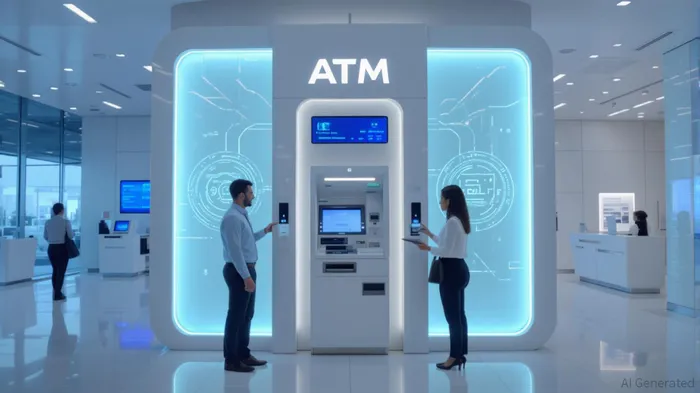
The digital transformation of banking in emerging markets has emerged as a pivotal driver of financial inclusion, operational efficiency, and competitive differentiation. At the forefront of this shift is Eurasian Bank in Kazakhstan, which has pioneered the implementation of Diebold Nixdorf's VCP-Lite 7 software—a next-generation self-service platform designed to redefine customer interactions and align with evolving regulatory and technological demands. This case study offers critical insights into how strategic technology adoption can catalyze growth in emerging economies while addressing systemic challenges in traditional banking.
Strategic Rationale for VCP-Lite 7 Adoption
Eurasian Bank's decision to deploy VCP-Lite 7 on its DN Series 450V cash recyclers reflects a calculated move to modernize its infrastructure. The software, operating on MicrosoftMSFT-- Windows 11, offers enhanced security, intuitive user interfaces, and seamless integration with digital banking channels[2]. Galym Tabyldiev of Eurasian Bank emphasized that the platform transforms ATMs into “smart assistants,” enabling features like real-time balance checks, multilingual support, and biometric authentication[4]. This aligns with the bank's broader digital transformation goals, which prioritize customer-centric innovation and compliance with Kazakhstan's evolving regulatory framework[2].
The strategic partnership with BS/2, Diebold Nixdorf's regional partner, further underscores the importance of localized expertise in deploying such solutions. By leveraging BS/2's regional knowledge, Eurasian Bank minimized implementation risks and ensured alignment with Central Asia's unique market dynamics[2]. Charisma Mahajan of Diebold NixdorfDBD-- noted that this adoption reflects the bank's commitment to innovation, positioning it as a leader in self-service technology adoption[2].
Broader Trends in Emerging Market Banking
Eurasian Bank's initiative is emblematic of a larger trend: the rapid digitization of banking in emerging markets. According to a 2025 study, digital banking has expanded financial inclusion globally, with the percentage of adults with bank accounts rising from 51% in 2011 to 71% in 2021[3]. In countries like Bangladesh and Cambodia, mobile banking and digital payment platforms have bridged critical gaps in access to financial services, particularly for rural and underserved populations[1].
Regulatory frameworks in emerging markets are also evolving to support this shift. Kazakhstan's Digital Kazakhstan program, launched in 2016, has prioritized biometric digital IDs, QR code systems, and open banking policies to foster innovation[1]. These initiatives create a fertile ground for banks like Eurasian to adopt cutting-edge solutions like VCP-Lite 7, which are designed for long-term scalability and interoperability[4].
Challenges and Outcomes
While specific performance metrics for Eurasian Bank's VCP-Lite 7 implementation remain undisclosed, the platform's design suggests measurable benefits. For instance, its support through 2034 ensures future-proofing against obsolescence, while modern APIs enable integration with mobile apps and online banking systems[2]. This reduces operational costs by minimizing the need for physical branch visits and streamlines customer service workflows[3].
However, challenges persist. The initial adaptation costs of adopting such advanced technology can be significant, particularly for institutions in markets with lower digital literacy. A 2025 study highlighted that perceived ease of use (PEU) and perceived usefulness (PU) are critical factors in digital banking adoption, particularly in regions like Cambodia[4]. Eurasian Bank's success will depend on its ability to educate users and build trust in these new tools.
Investment Implications
The Eurasian Bank case study underscores the transformative potential of strategic technology adoption in emerging markets. For investors, this signals a growing opportunity in banks that prioritize innovation and regulatory alignment. According to a report by the OECD, digital banking in emerging markets is projected to drive economic resilience by supporting small businesses and reducing transaction costs[4].
Moreover, the integration of FinTech solutions like VCP-Lite 7 is reshaping competitive dynamics. Traditional banks that fail to invest in digital infrastructure risk losing market share to agile FinTech firms. Conversely, early adopters like Eurasian Bank can capture first-mover advantages, enhancing customer loyalty and operational efficiency[5].
Conclusion
Eurasian Bank's implementation of VCP-Lite 7 exemplifies how strategic technology adoption can drive digital transformation in emerging markets. By aligning with regulatory trends, leveraging regional partnerships, and prioritizing user-centric design, the bank is positioning itself as a leader in a rapidly evolving sector. For investors, this case highlights the importance of supporting institutions that embrace innovation to navigate the challenges and opportunities of the digital age.







Comentarios
Aún no hay comentarios