
Digital Loyalty and NFT-Driven Customer Engagement in the Travel Sector: Early-Mover Advantage and Long-Term Brand Value
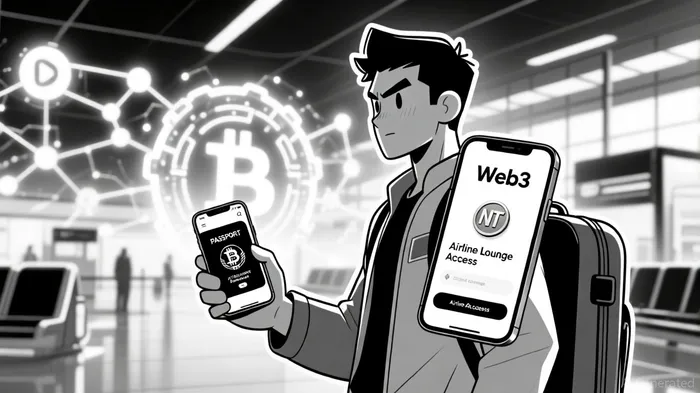
The travel industry is undergoing a seismic shift as brands leverage Non-Fungible Tokens (NFTs) to reimagine customer loyalty programs. Traditional reward systems, long criticized for their rigidity and low engagement, are being replaced by NFT-driven initiatives that offer exclusivity, personalization, and verifiable ownership. For investors, this evolution presents a compelling opportunity: early adopters of NFT-based loyalty programs are not only capturing market share but also building long-term brand equity in a digitally native era.
Early-Mover Advantage: Capturing the Web3 Travel Market
The first-mover advantage in NFT-driven loyalty is evident in companies like Etihad Airways and Marriott International, which have pioneered blockchain-based rewards. Etihad's EY-ZERO1 NFT collection, for instance, grants holders priority check-in, lounge access, and a staking-for-miles program[1]. Similarly, Marriott's “Power of Travel” campaign distributed NFTs inspired by travel experiences at events like Art Basel Miami Beach, blending art and travel to create unique digital collectibles[2]. These initiatives position early adopters as innovators, attracting tech-savvy travelers and Gen Z demographics who prioritize digital ownership and immersive experiences[3].
The competitive edge of early movers is further amplified by the scarcity and utility of NFTs. Unlike traditional points, NFTs can be traded, sold, or staked, creating secondary markets that enhance their value. For example, Travala.com's “Tiger Club” allows members to store NFTs that unlock discounts and personalized gifts, fostering a sense of community and exclusivity[4]. By 2025, the integration of NFTs into loyalty programs is projected to drive a 12.2% CAGR in the global loyalty market, reaching $215.4 billion by 2027[5].
Long-Term Brand Value: Authenticity, Equity, and Emotional Investment
NFTs are not just transactional tools—they are brand-building assets. Research from the luxury sector reveals that NFTs enhance authenticity equity and relationship equity, strengthening customer perceptions of a brand's value[6]. In travel, this translates to loyalty programs that reward customers with NFTs tied to milestones (e.g., “lifetime traveler” badges) or exclusive experiences (e.g., VIP access to festivals like Coachella[7]). Such programs create emotional investment, as customers view their NFTs as both rewards and status symbols.
Moreover, NFTs enable brands to co-create value with customers. Starbucks' Odyssey Web3 program, for instance, rewards users with NFT stamps for completing quizzes or puzzles, unlocking virtual espresso-making classes and real-world travel perks[8]. This gamified approach fosters a sense of participation and community, aligning with Gen Z's preference for self-expression and digital-first engagement[9].
Financial Metrics: Retention, Revenue, and Scalability
While specific revenue figures for NFT-driven travel programs remain scarce, broader loyalty trends underscore their potential. A 2025 report by The Futurum Group notes that companies with robust loyalty programs grow revenue 2.5x faster than peers, with even a 5% increase in retention boosting profits by 25–95%[10]. For example, Travala.com reported a 46% surge in crypto booking volumes after integrating NFTs into its loyalty strategy[11], demonstrating the financial scalability of tokenized rewards.
NFTs also open new revenue streams through the sale of digital assets. The “Tao” NFT travel card, set to launch in 2025, promises to monetize loyalty by offering discounts, rewards, and VIP access[12]. This dual model—earning NFTs through engagement and purchasing them directly—creates a flywheel effect, driving both customer retention and brand visibility.
Risks and Considerations
Despite the promise, challenges persist. Market volatility, regulatory uncertainty, and consumer education gaps could slow adoption. However, early movers like Etihad and Starbucks are mitigating these risks by partnering with blockchain platforms (e.g., Polygon) to ensure security and scalability[13]. For investors, the key is to focus on companies that balance innovation with practicality, offering tangible benefits beyond speculative value.
Conclusion: A Strategic Imperative for Travel Brands
The integration of NFTs into travel loyalty programs is not a fleeting trend but a strategic imperative for brands seeking to thrive in a digital-first world. Early adopters are redefining customer engagement, building brand equity through authenticity, and unlocking new revenue streams. For investors, the lesson is clear: backing companies that leverage NFTs to create utility-driven, emotionally resonant loyalty programs will yield long-term value in an industry poised for transformation.







Comentarios
Aún no hay comentarios