
DHL's Asia Healthcare Play: The Smart Move for Investors in a Tariff-Stricken World
The global supply chain is in turmoil, but one company is betting big on Asia’s healthcare logistics and outsmarting tariffs with cold, hard cash—and smart strategy. DHL is doubling down on cold-chain infrastructure in Asia, betting that life sciences and trade diversification will be the keys to thriving in a world of tariff wars. Let me break down why this could be a goldmine for investors.
The Asia Play: Cold Chain Gold Rush
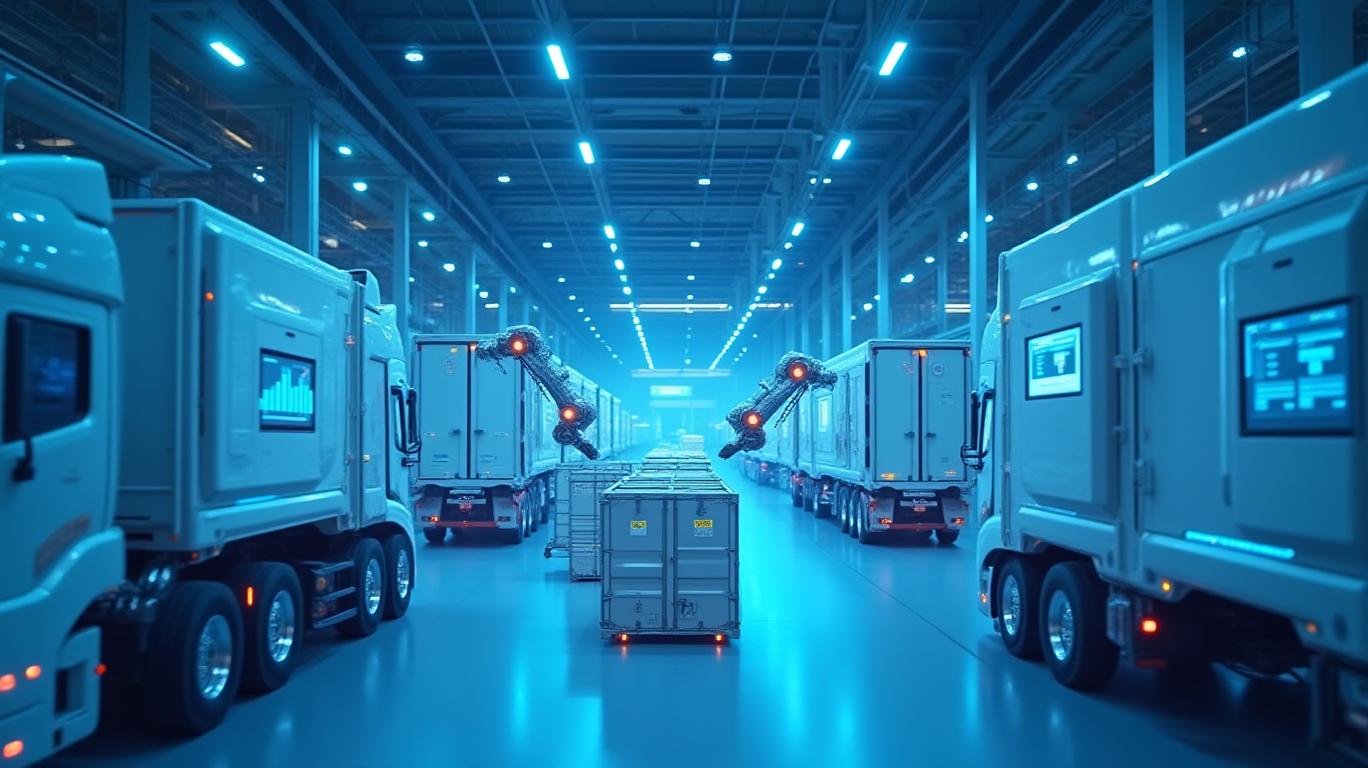
DHL CEO Oscar de Bok isn’t messing around. The company is plowing €500 million into Asia’s cold-chain infrastructure—think ultra-low-temperature warehouses, climate-controlled vehicles, and AI-driven tracking systems—to dominate the region’s booming healthcare logistics market. Why Asia? Because by 2025, countries like India, Vietnam, and Indonesia are projected to lead global trade growth, with annual rates hitting 5-6% (per the DHL Trade Atlas).
The healthcare logistics segment is the crown jewel: DHL’s 2024 revenue hit €5 billion, and it’s targeting an additional €5 billion by 2030. The secret? Ultra-low-temperature storage for cutting-edge therapies like cell and gene treatments, which require temps as low as -80°C. They’re even acquiring firms like CRYOPDP, a clinical trials logistics specialist, to lock in this niche.
Tariffs? Just a Speed Bump
De Bok isn’t sweating tariffs. His secret weapon? Free Trade Zones (FTZs) and supply chain flexibility. As DHL Supply Chain’s Patrick Kelleher put it: “Tariffs are like a dam—the water finds a new path.” By expanding FTZs (where companies can defer tariffs) and building adaptable warehouses that can pivot from e-commerce to subassembly, DHL is rerouting around U.S. trade barriers.
The DHL Trade Atlas 2025 backs this up: while U.S. trade policies slow growth slightly, Asia’s trade ties will keep global flows humming. Even with proposed U.S. tariff hikes, the report projects 3.1% annual trade growth through 2029—because the world still needs that Made-in-China component shipped via Vietnam or Indonesia.
Healthcare Logistics: The Next Frontier
This isn’t just about vaccines—it’s about $500 million bets on the future of medicine. DHL’s cold-chain upgrades aren’t just warehouses; they’re lifelines for therapies like CAR-T cell treatments, which demand precision handling. By 2025, Asia’s role as a biopharma manufacturing hub will only grow, and DHL is positioning itself as the go-to logistics partner.
The Numbers Don’t Lie
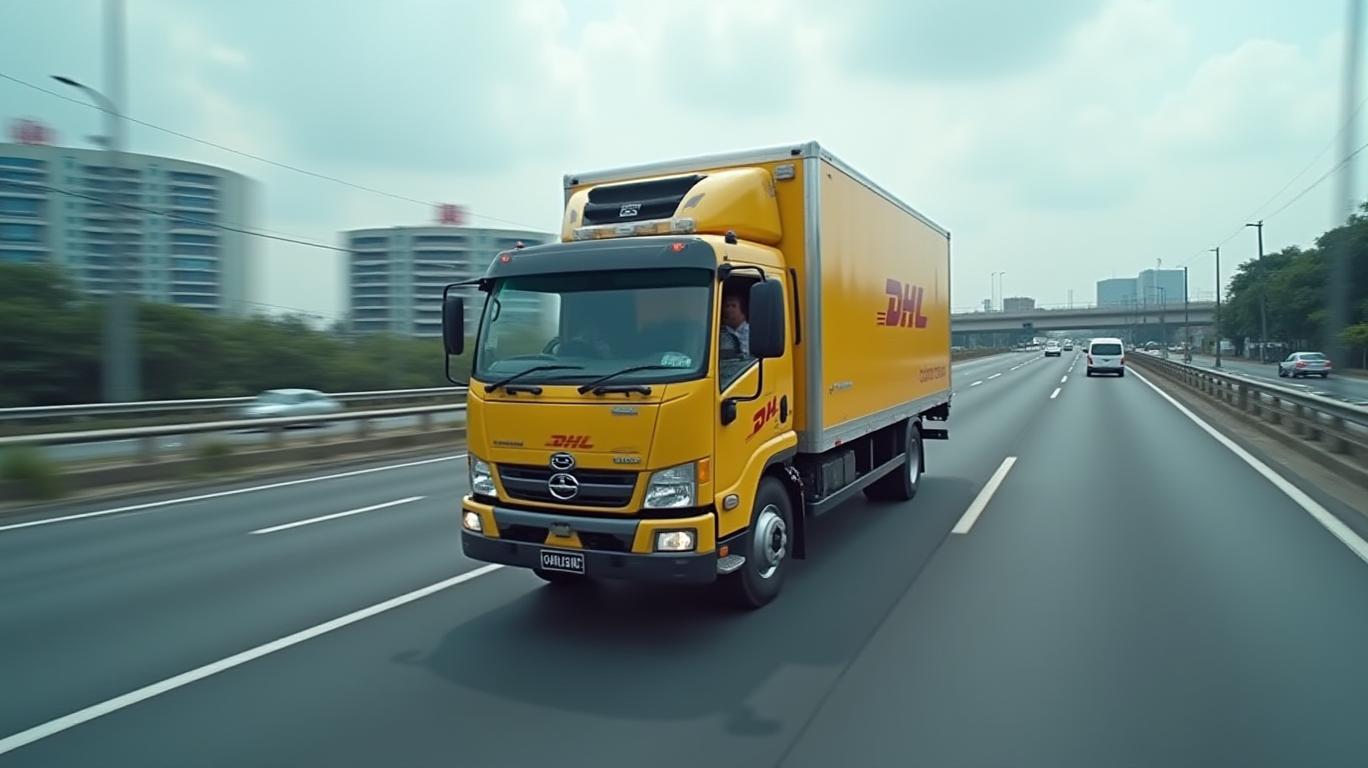
- Scale: DHL operates nearly 600 life sciences facilities globally, with 2.5 million sqm of temperature-controlled space. The Asia push will add to that.
- Growth: The healthcare division’s €5 billion revenue in 2024 is set to double by 2030—a 20% annual growth rate that trumps the company’s overall performance.
- Resilience: Despite a 3.2% revenue dip in Q1 2024, DHL’s healthcare segment is a bright spot, proving diversification works.
The Bottom Line: Buy the Play
DHL is hedging against tariffs by doubling down on Asia’s healthcare logistics—a sector with no ceiling as biotech and personalized medicine explode. While rivals like UPS and FedEx scramble to adapt, DHL’s cold-chain dominance and FTZ strategy give it an edge.
Investors should allocate to DPWGY now, especially if you believe in two trends: Asia’s economic rise and the $1 trillion biopharma boom. The risks? Slower global growth or a sudden U.S.-China détente could dent demand, but DHL’s flexibility makes it a safer bet than most.
In a world where tariffs are the new normal, DHL’s Asia healthcare bet isn’t just smart—it’s essential. Don’t miss the train.
Final Call: DHL’s cold-chain cold hard cash play could thaw into profits. Act fast—these opportunities don’t stay frozen forever.





Comentarios
Aún no hay comentarios