
DHL’s $800 Shipment Cap: A Watershed Moment for Global E-Commerce Logistics
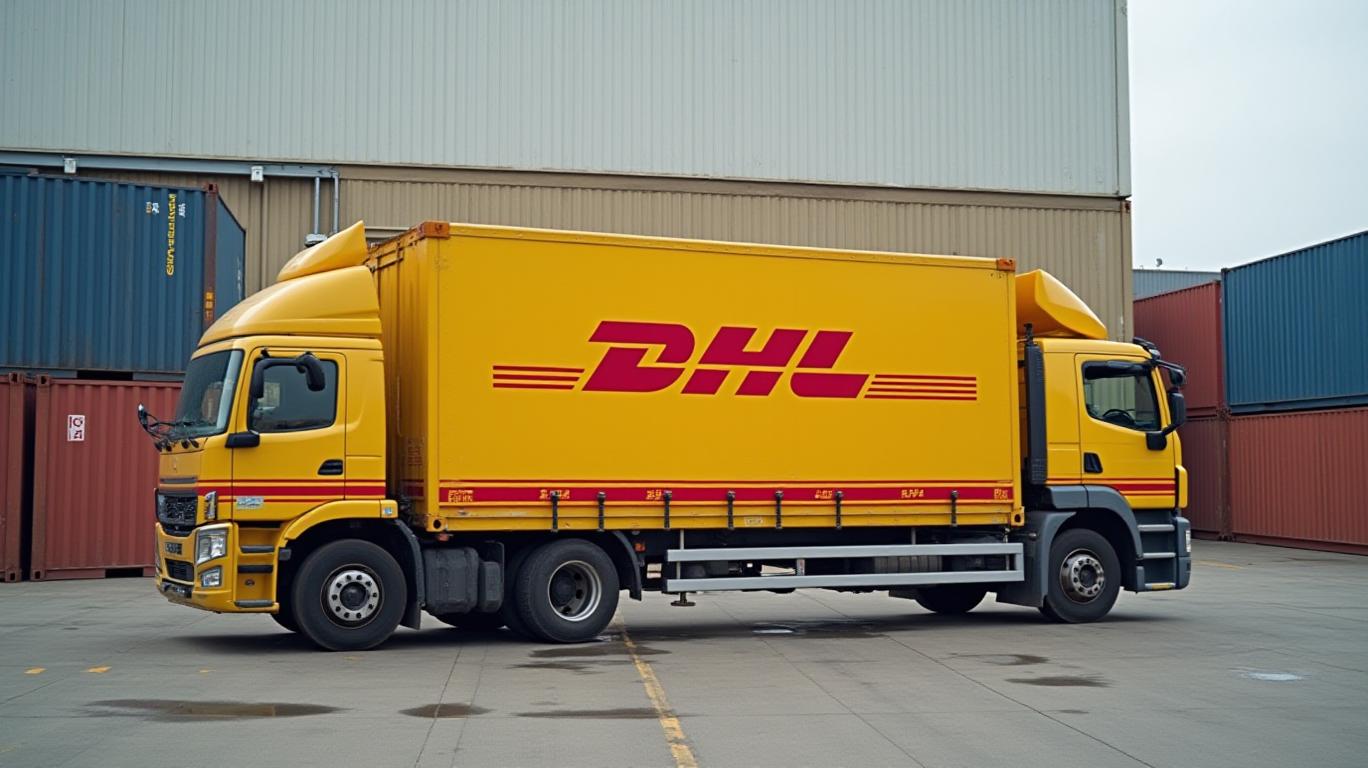
DHL’s recent announcement of a temporary suspension of business-to-consumer (B2C) shipments to the U.S. with declared values exceeding $800 marks a critical inflection point for global e-commerce logistics. The move, effective April 21, 2025, is a direct response to escalating U.S. Customs and Border Protection (CBP) requirements that have reshaped the regulatory landscape for cross-border trade. For investors, this policy shift offers insights into broader risks, opportunities, and the evolving calculus of international supply chains.
The Regulatory Tsunami Driving DHL’s Decision
The suspension stems from a CBP rule change that lowered the threshold for formal customs entries from $2,500 to $800. Effective April 5, 2025, shipments above this new limit now require extensive documentation: proof of country of origin, the recipient’s tax ID (Social Security or employer number), and compliance with the U.S. Harmonized Tariff Schedule. For DHL, this means a surge in administrative workloads, with formal entries requiring customs bonds and manual reviews—processes absent under the prior streamlined “informal entry” system for $800–$2,500 shipments.
The policy’s immediate impact is twofold:
1. Operational Strain: DHL’s import specialists face a 200%+ increase in formal clearance demands, leading to multiday delays. The suspension of B2C shipments over $800 is a stopgap to prioritize capacity for unaffected business-to-business (B2B) and sub-$800 shipments.
2. Regulatory Overreach: Starting May 2, 2025, the U.S. will revoke the duty-free “de minimis” exemption for shipments under $800 from China and Hong Kong. This means even low-value packages from these regions now require formal entries or bulk consolidation, further complicating logistics for e-commerce players.
The Broader Market Impact
The DHL suspension is not an isolated event but part of a broader trend of U.S.-China trade tensions spilling into logistics. Competitors like FedExFDX-- and UPS have already introduced China-to-U.S. surcharges, while Hong Kong Post halted U.S.-bound shipments entirely in April 2025, citing “bullying” U.S. tariff policies. For investors, this paints a landscape where:
- Cost Pressures Rise: Increased compliance costs, delays, and potential surcharges could squeeze margins for e-commerce firms reliant on B2C models. Companies like Amazon and Shopify may see higher shipping expenses passed to consumers.
- Regional Reconfiguration: Shippers may shift to alternative routes or countries outside the $800 threshold scrutiny, such as Vietnam or Malaysia, to avoid U.S. customs bottlenecks.
- Tech Investments Surge: Logistics firms are likely to accelerate automation in customs compliance (e.g., AI-driven documentation systems) to manage the new regulatory burden.
Investment Implications
For investors, the DHL suspension underscores two key themes:
1. Regulatory Risk in Cross-Border Trade: Companies with exposure to U.S.-China trade corridors—such as logistics providers, e-commerce platforms, and manufacturers—face heightened operational and financial risks.
2. Adaptation Pays: Firms demonstrating agility in navigating compliance (e.g., bulk bundling shipments, diversifying shipping routes) or investing in tech-driven solutions stand to gain market share.
Conclusion: Navigating the New Normal
DHL’s suspension is a symptom of a larger shift: the U.S. is weaponizing customs rules to curb Chinese trade dominance and address smuggling concerns. For investors, the stakes are clear:
- Short-Term Volatility: Logistics stocks like Deutsche Post, FedEx, and UPS may face near-term pressure as delays and costs rise.
- Long-Term Winners: Companies that master compliance (e.g., DHL’s planned expansion of customs brokerage capacity) or pivot to low-cost shipping alternatives (e.g., regional e-commerce hubs) will thrive.
The suspension also highlights a critical data point: 67% of U.S. small businesses cite trade regulations as their top regulatory concern (per DHL’s 2025 SME survey). This suggests a market ripe for solutions that simplify cross-border compliance.
In short, DHL’s $800 cap is not just a logistical adjustment—it’s a wake-up call for investors to prioritize firms that can navigate the labyrinth of global trade rules. Those that fail to adapt may find themselves left behind in a supply chain arms race.
Final Note: Monitor to gauge whether DHL’s suspension lifts—or becomes permanent.*





Comentarios
Aún no hay comentarios