
DexCom: Riding the CGM Wave to Diabetes Dominance
The U.S. Department of Health and Human Services (HHS) has launched a bold initiative to transform healthcare through wearable technology, and no company stands to benefit more than DexComDXCM-- (NASDAQ: DXCM). As part of the "Take Back Your Health" campaign—a cornerstone of the "Make America Healthy Again" (MAHA) agenda—HHS aims to have every American using a wearable device by 2029. For DexCom, a leader in continuous glucose monitoring (CGM) systems, this is a golden opportunity to capitalize on a $120 billion market projected by 2034. Let's dissect why DexCom is strategically positioned to dominate this shift toward diabetes management and cost-saving healthcare trends.
The HHS Campaign: A Tailwind for CGMs
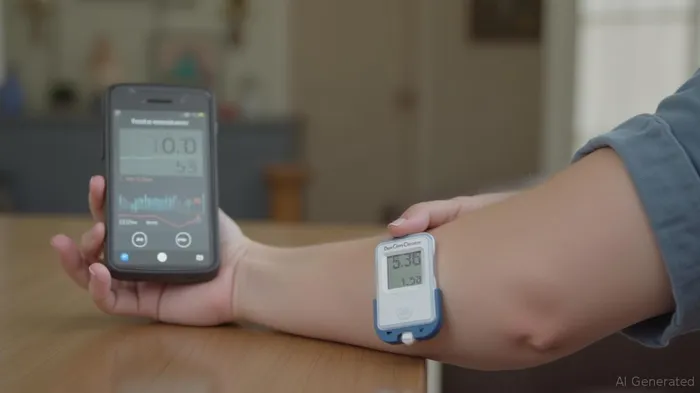
The HHS push for wearables is not just about gadgets—it's about reducing healthcare costs by preventing complications. CGMs, which track glucose levels in real time, are central to this strategy. Medicare's February 2025 coverage expansion for CGMs, combined with the FDA's approval of over-the-counter (OTC) systems like DexCom's Stelo Glucose Biosensor, has already lowered barriers to access. The American Diabetes Association's 2025 guidelines further mandate CGM use for all Type 2 patients, regardless of insulin use, cementing these devices as a standard of care.
For DexCom, this means a massive addressable market. The U.S. has over 37 million diabetes patients, and only ~20% of eligible patients currently use CGMs. HHS's goal of universal wearable adoption by 2029 could boost DexCom's installed base by 5x in five years. The financial upside is clear: Medicare's cost-saving incentives (e.g., reduced hospitalizations and ER visits) align with DexCom's ability to deliver measurable outcomes.
DexCom's Competitive Edge
DexCom's technology leadership is unmatched. Its G7 and G6 systems offer 10-day sensor longevity and seamless integration with smartphones—a critical feature for tech-savvy users. Competitors like MedtronicMDT-- and AbbottABT-- lag in user experience, while Apple's foray into CGMs (via partnerships) has yet to match DexCom's clinical validation.
The company's Stelo OTC system, approved in late 2024, is a game-changer. By bypassing prescription requirements, Stelo could capture the 90% of Type 2 patients who don't use CGMs due to complexity or cost. HHS's emphasis on affordability—Secretary Kennedy highlighted wearables as a $80 alternative to $1,300/month Ozempic—positions Stelo as a must-have tool in the diabetes toolkit.
Financial Fortitude and Growth Catalysts
DexCom's financials reflect its momentum. Revenue grew from $1.9B in 2020 to $3.2B in 2024, with gross margins exceeding 75%. The Medicare expansion and OTC approval should accelerate this trajectory. Analysts project ~20% annual revenue growth through 2027, driven by:
1. Medicare/Medicaid adoption: Over 12 million seniors and low-income Americans could gain CGM access.
2. Global expansion: HHS's model may inspire similar policies abroad, where DexCom holds <20% market share.
3. AI and closed-loop systems: Partnerships with insulin pump manufacturers (e.g., Tandem Diabetes) could turn CGMs into autonomous diabetes management systems, boosting recurring revenue from sensor replacements.
Risks and Considerations
- Regulatory hurdles: Medicare's strict documentation requirements (e.g., face-to-face visits) could slow uptake if suppliers misbill claims.
- Privacy concerns: Wearable data breaches (e.g., the 23andMe hack) pose reputational risks. DexCom must invest in cybersecurity.
- Competition: Tech giants like AppleAAPL-- and Google may leverage ecosystems to undercut pricing.
Investment Thesis: Buy the Dip, Hold for the Surge
DexCom's stock has corrected ~25% from its 2023 highs due to near-term supply chain hiccups and macroeconomic volatility. However, this pullback presents a buying opportunity. Key catalysts ahead include:
- 2025 Q4 OTC sales ramp-up for Stelo.
- 2026 Medicare reimbursement rate updates, which could boost provider adoption.
- Global regulatory approvals in Europe and Asia.
Buy Below $350, with a 12-month target of $450 (2027's discounted cash flow). DexCom is not just a diabetes play—it's a leader in the $120 billion digital health revolution. As HHS's vision of “wearables for all” materializes, investors who buy now could ride this wave to outsized returns.
Final Take: DexCom is primed to dominate a structural shift in diabetes care. With HHS's backing, FDA approvals, and a pipeline of innovations, this stock is a buy for long-term growth.







Comentarios
Aún no hay comentarios