
Denny's Strategic Overhaul: A Dining Recovery Play with Undervalued Potential
Amidst a landscape of economic uncertainty and shifting consumer preferences, Denny’s CorporationDENN-- (NASDAQ: DENN) has embarked on a bold strategic reset. Recent shareholder-approved operational changes, including aggressive restaurant closures, brand-specific growth initiatives, and a renewed focus on franchising, signal a critical pivot toward long-term profitability. For investors, this represents a compelling opportunity to capitalize on a turnaround story in the casual dining sector—one that’s undervalued and primed for recovery.
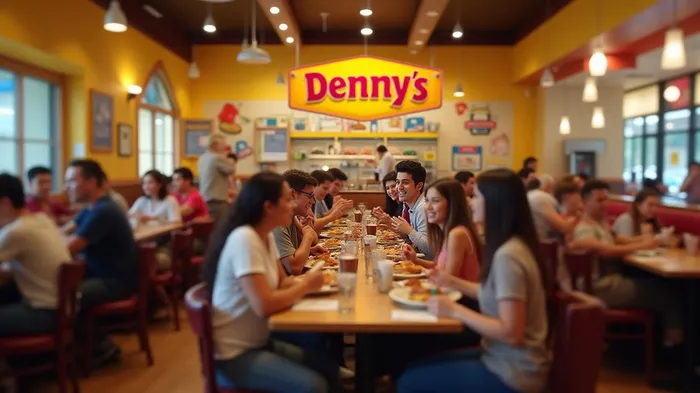
The Strategic Shift: Closing Underperformers to Focus on High-Impact Locations
The most striking outcome of Denny’s shareholder vote was the approval of plans to close 70–90 restaurants in 2025. This move isn’t just about cost-cutting—it’s a calculated reallocation of resources to high-performing locations. With domestic same-restaurant sales (SSS) down 3% in Q1 2025, management is targeting underperforming units dragging down margins. By shuttering these sites, Denny’s can redirect capital toward remodels, technology upgrades, and strategic expansions.
The financial case is clear:
- Franchise Revenue Growth: Franchise fees and royalties (totaling $57.7M in Q1) remain a stable profit engine. With plans to open 25–40 new restaurants this year (split between Denny’s and its fast-growing Keke’s brand), franchisee-driven expansion could boost recurring revenue.
- Margin Improvement: Closures will reduce overhead and allow reinvestment in high-margin initiatives like Keke’s, which saw a 3.9% SSS increase in Q1.
Franchising as the Engine of Scalability
Denny’s franchise model is its secret weapon. With 94% of Denny’s locations franchised, the company avoids the risks of direct ownership while benefiting from steady royalty streams. The Keke’s brand, a breakfast-focused chain, is now operating in seven states, with 3 new locations opened in Georgia in Q1. This expansion is critical: Keke’s delivers higher margins and targets younger demographics, a demographic Denny’s has struggled to retain.
Value-Driven Strategies to Re-Engage Customers
To combat inflation-driven consumer hesitancy, Denny’s has leaned into value promotions, such as the Grand Slam $1 BOGO, which helped stabilize April’s SSS at a “flat” level after Q1’s 3% decline. These promotions are a tactical response to rising commodity costs (projected 3–5% inflation in 2025), but they also create a pull factor for budget-conscious diners. Pairing this with a new rewards program—to be launched this year—could further boost loyalty and traffic.
Debt Dynamics: A Manageable Lever or Risk?
Denny’s total debt stands at $276.2M, with a debt-to-equity ratio of 2.1x—a level that could spook investors. However, the company’s Adjusted EBITDA of $16.8M in Q1 and projected full-year guidance of $80–85M provide sufficient cash flow to service obligations. The $88.2M remaining under its share repurchase program also signals confidence in the balance sheet’s resilience.
Why Now is the Time to Buy
- Undervalued Stock: At $4.36, Denny’s stock trades at just 0.7x its 2025 EBITDA estimate, well below peers like Cracker Barrel (CBRL, 2.3x) and IHOP (part of Dine Brands, DIN). This discount reflects near-term pain but ignores long-term upside.
- Analyst Optimism: While the stock has slumped 33% in six months, analysts at Truist and KeyBanc maintain a Buy rating, citing Denny’s proactive strategy and $7 price target—a 60% upside from current levels.
- Catalysts Ahead: The closure program’s completion by year-end, Keke’s continued expansion, and the rewards program’s launch are all near-term drivers of margin improvement and SSS stabilization.
Risks to Consider
- Commodity Volatility: Egg prices (a key input) could spike further, squeezing margins.
- Execution Risk: Closing underperforming locations requires careful planning to avoid operational disruptions.
Conclusion: A Dining Recovery Play with Catalysts
Denny’s shareholder-approved changes are no longer just about survival—they’re about strategic rebirth. By focusing on franchising, closing underperformers, and re-engaging customers through value, Denny’s is positioning itself to outlast macroeconomic headwinds. With a depressed valuation and clear catalysts, now is the time to buy the dip in this casual dining underdog.
Act now before the recovery gains traction—and Denny’s menu becomes a feast for investors.







Comentarios
Aún no hay comentarios