
Democratic Governors: The EV Incentive Counterpunch
Generado por agente de IAWesley Park
jueves, 6 de febrero de 2025, 10:29 am ET1 min de lectura
CRC--
As President Trump takes aim at federal electric vehicle (EV) incentives, Democratic governors are gearing up to defend and even enhance state-level support for the burgeoning EV market. With the potential loss of federal tax credits and the rollback of emissions standards, governors are stepping in to fill the gap and maintain the momentum of EV adoption.
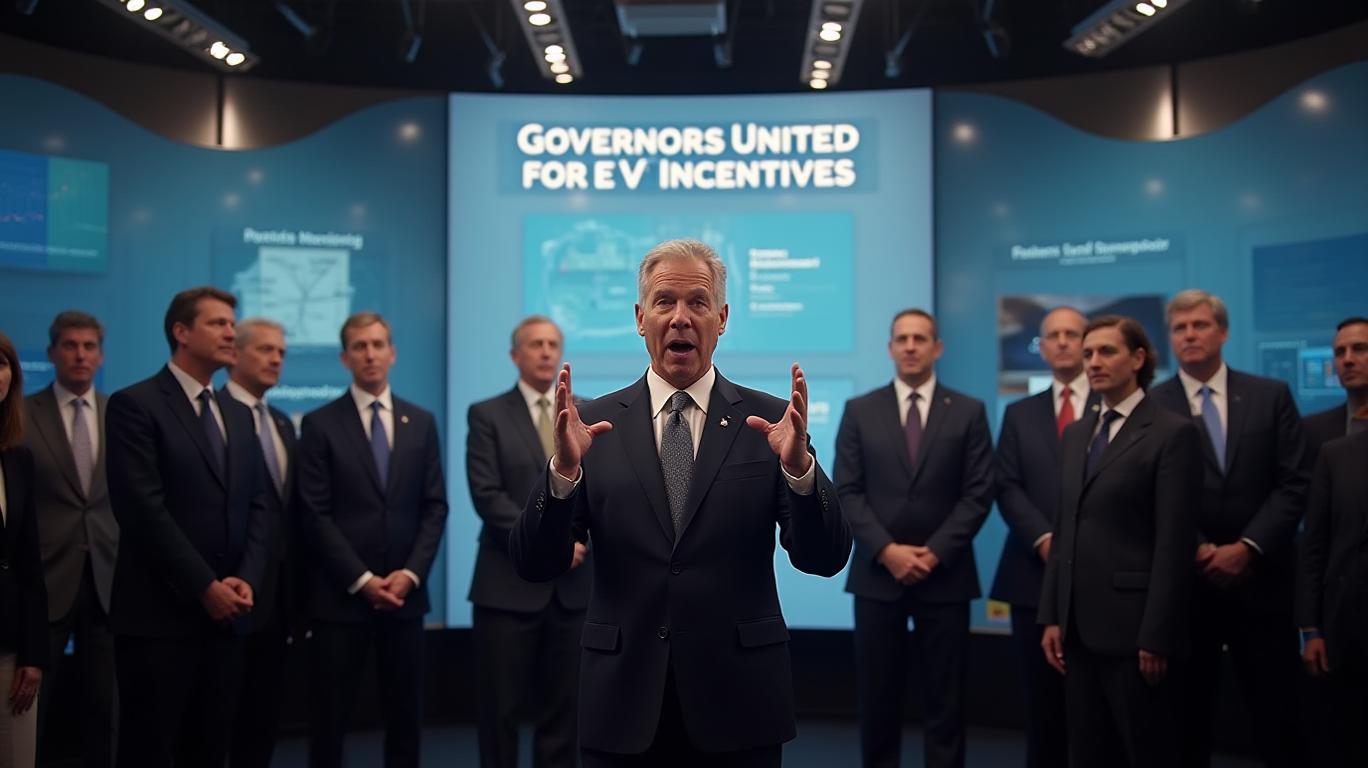
Colorado Governor Jared Polis is considering even sweeter incentives to fill in the gap left by potential federal cuts. "They're lower cost to operate, they're quiet, they have superior performance, and I fully expect their market share will continue to increase," Polis said. With federal credits in jeopardy, Polis is focusing on making the least expensive EVs even more affordable.
California Governor Gavin Newsom has promised to reboot an EV subsidy program phased out in 2023 to fill the potential gap in federal payouts. At its peak, the California program doled out incentives of $7,500 per vehicle and backstopped the purchase of almost 600,000 vehicles. This can help maintain the momentum of EV sales in the state.

Liane Randolph, chair of the California Air Resources Board, has stated that they will be very active in fighting for clean air. This includes defending California's more stringent emissions limits and the federal exemption that allows the state to phase out the sale of gas-powered cars by 2035. "They just don’t get to snap their fingers and say we are reversing this waiver," Randolph said.
Democratic governors are also promoting EV manufacturing in their states by offering tax breaks, grants, or other incentives to attract EV-related businesses. This can help create jobs and stimulate the economy while also supporting the EV market. For example, Michigan is home to more than $27 billion in EV manufacturing and battery projects, edging out even Georgia.
The interplay between federal and state EV incentives will significantly influence consumer behavior and EV adoption rates. With state incentives filling the gap, EVs will become even more affordable, driving market share and potentially causing some consumers to delay their purchases. However, regional disparities in adoption rates may arise due to varying state incentives.
In conclusion, Democratic governors are preparing to battle Trump over EV incentives, with state-level support poised to fill the gap left by potential federal rollbacks. By increasing state incentives, rebooting phased-out programs, focusing on affordable EVs, and promoting EV manufacturing, governors can maintain and even enhance EV adoption in their states. The EV market's future is uncertain, but with governors stepping up to the plate, the transition to electric vehicles is far from derailed.
GAP--
SNAP--
As President Trump takes aim at federal electric vehicle (EV) incentives, Democratic governors are gearing up to defend and even enhance state-level support for the burgeoning EV market. With the potential loss of federal tax credits and the rollback of emissions standards, governors are stepping in to fill the gap and maintain the momentum of EV adoption.
Colorado Governor Jared Polis is considering even sweeter incentives to fill in the gap left by potential federal cuts. "They're lower cost to operate, they're quiet, they have superior performance, and I fully expect their market share will continue to increase," Polis said. With federal credits in jeopardy, Polis is focusing on making the least expensive EVs even more affordable.
California Governor Gavin Newsom has promised to reboot an EV subsidy program phased out in 2023 to fill the potential gap in federal payouts. At its peak, the California program doled out incentives of $7,500 per vehicle and backstopped the purchase of almost 600,000 vehicles. This can help maintain the momentum of EV sales in the state.
Liane Randolph, chair of the California Air Resources Board, has stated that they will be very active in fighting for clean air. This includes defending California's more stringent emissions limits and the federal exemption that allows the state to phase out the sale of gas-powered cars by 2035. "They just don’t get to snap their fingers and say we are reversing this waiver," Randolph said.
Democratic governors are also promoting EV manufacturing in their states by offering tax breaks, grants, or other incentives to attract EV-related businesses. This can help create jobs and stimulate the economy while also supporting the EV market. For example, Michigan is home to more than $27 billion in EV manufacturing and battery projects, edging out even Georgia.
The interplay between federal and state EV incentives will significantly influence consumer behavior and EV adoption rates. With state incentives filling the gap, EVs will become even more affordable, driving market share and potentially causing some consumers to delay their purchases. However, regional disparities in adoption rates may arise due to varying state incentives.
In conclusion, Democratic governors are preparing to battle Trump over EV incentives, with state-level support poised to fill the gap left by potential federal rollbacks. By increasing state incentives, rebooting phased-out programs, focusing on affordable EVs, and promoting EV manufacturing, governors can maintain and even enhance EV adoption in their states. The EV market's future is uncertain, but with governors stepping up to the plate, the transition to electric vehicles is far from derailed.

Divulgación editorial y transparencia de la IA: Ainvest News utiliza tecnología avanzada de Modelos de Lenguaje Largo (LLM) para sintetizar y analizar datos de mercado en tiempo real. Para garantizar los más altos estándares de integridad, cada artículo se somete a un riguroso proceso de verificación con participación humana.
Mientras la IA asiste en el procesamiento de datos y la redacción inicial, un miembro editorial profesional de Ainvest revisa, verifica y aprueba de forma independiente todo el contenido para garantizar su precisión y cumplimiento con los estándares editoriales de Ainvest Fintech Inc. Esta supervisión humana está diseñada para mitigar las alucinaciones de la IA y garantizar el contexto financiero.
Advertencia sobre inversiones: Este contenido se proporciona únicamente con fines informativos y no constituye asesoramiento profesional de inversión, legal o financiero. Los mercados conllevan riesgos inherentes. Se recomienda a los usuarios que realicen una investigación independiente o consulten a un asesor financiero certificado antes de tomar cualquier decisión. Ainvest Fintech Inc. se exime de toda responsabilidad por las acciones tomadas con base en esta información. ¿Encontró un error? Reportar un problema




Comentarios
Aún no hay comentarios