
Delhi's Smog Conundrum: Opportunities for Green Energy Investments
Generado por agente de IAEli Grant
jueves, 19 de diciembre de 2024, 9:59 am ET2 min de lectura
WM--
Delhi, India's capital and a bustling metropolis, is grappling with a severe air pollution crisis. The city's smog, primarily caused by vehicular emissions, industrial activities, and crop burning, has reached alarming levels, posing significant health risks to its residents. This article explores the potential impacts of Delhi's smog on the city's workforce productivity, the influence of environmental regulations on investments, and the opportunities for green energy and technology investments in the region.
Delhi's Smog: Impacts on Health and Productivity
-------------------------------------------------
Delhi's smog has a profound impact on the health and productivity of its workforce. According to a study by the Indian Council of Medical Research, air pollution contributes to approximately 3 million premature deaths in India annually. In Delhi, the air quality index (AQI) often exceeds 300, indicating hazardous levels of pollution. This poor air quality leads to increased respiratory illnesses, reduced life expectancy, and decreased productivity among workers.
Environmental Regulations and Investment Landscape
--------------------------------------------------
Environmental regulations aimed at reducing smog in Delhi have the potential to influence the investment landscape. The Indian government has implemented various policies, such as the National Clean Air Programme and the Graded Response Action Plan, to combat air pollution. These regulations encourage industries to adopt cleaner technologies and practices, creating opportunities for investments in green energy and technology.
Green Energy and Technology Investments
---------------------------------------
The opportunities for green energy and technology investments in Delhi are vast. The city's air pollution crisis has highlighted the need for cleaner energy sources and innovative solutions. Some potential investment areas include:
1. Electric Vehicles (EVs): The adoption of EVs can significantly reduce vehicular emissions, contributing to cleaner air. Investments in EV charging infrastructure and battery technology can support this transition.
2. Renewable Energy: Delhi can harness its solar and wind energy potential to generate clean electricity. Investments in solar panels, wind turbines, and energy storage solutions can help the city meet its energy needs while reducing pollution.
3. Air Purification Technologies: Innovative air purification systems can help mitigate the impacts of smog on public health. Investments in research and development, as well as the deployment of these technologies, can create new business opportunities.
4. Smart City Initiatives: Delhi's smart city projects can incorporate green energy and technology solutions, such as smart grids, energy-efficient buildings, and waste management systems. These initiatives can help reduce the city's carbon footprint and improve air quality.
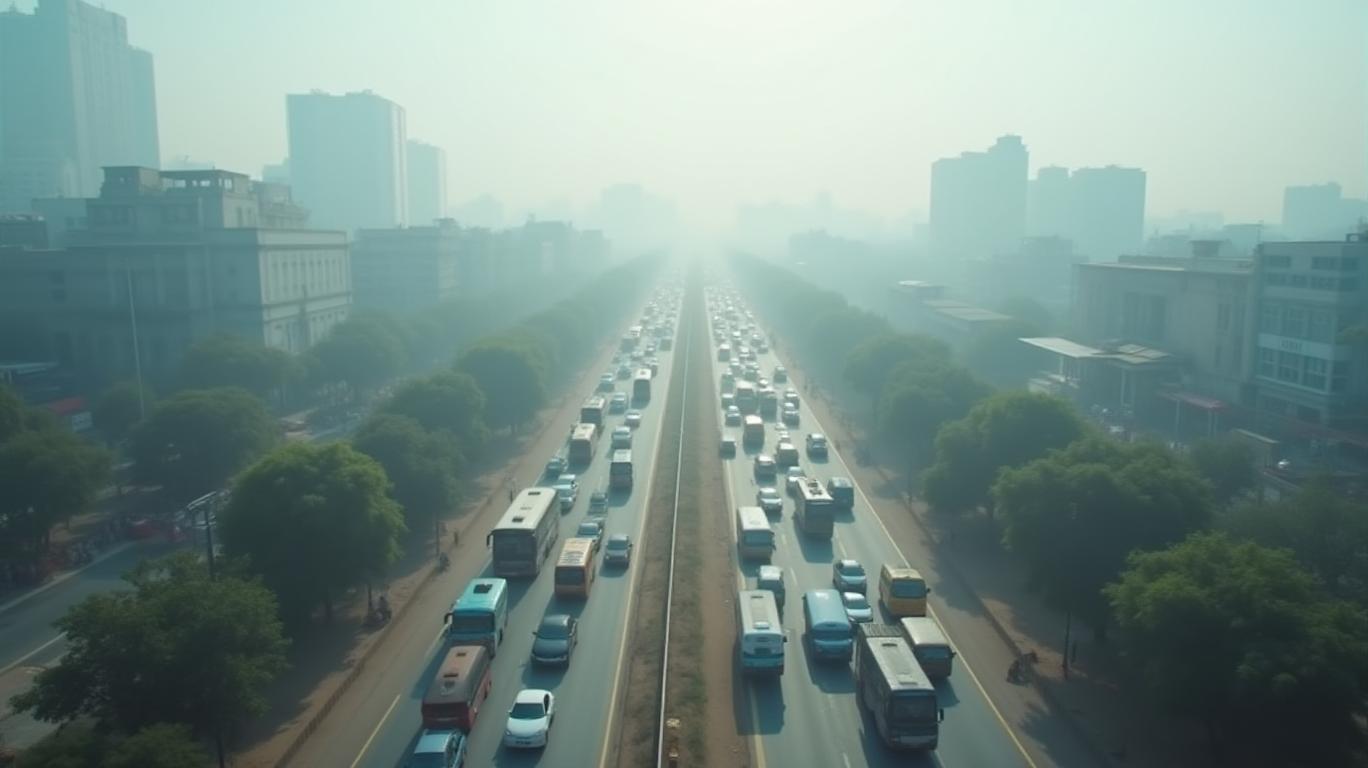
Visualizing Delhi's Air Quality Index
-------------------------------------
To better understand the severity of Delhi's smog problem, let's examine the city's air quality index (AQI) data. The following chart illustrates the average AQI levels in Delhi over the past five years:
Conclusion
----------
Delhi's smog conundrum presents both challenges and opportunities for investors. The city's air pollution crisis has a significant impact on public health and workforce productivity, while environmental regulations create a favorable landscape for green energy and technology investments. By exploring opportunities in electric vehicles, renewable energy, air purification technologies, and smart city initiatives, investors can contribute to a cleaner, healthier Delhi while generating potential returns. As the city continues to grapple with its air pollution problem, the demand for innovative solutions and sustainable investments will only grow.
Delhi, India's capital and a bustling metropolis, is grappling with a severe air pollution crisis. The city's smog, primarily caused by vehicular emissions, industrial activities, and crop burning, has reached alarming levels, posing significant health risks to its residents. This article explores the potential impacts of Delhi's smog on the city's workforce productivity, the influence of environmental regulations on investments, and the opportunities for green energy and technology investments in the region.
Delhi's Smog: Impacts on Health and Productivity
-------------------------------------------------
Delhi's smog has a profound impact on the health and productivity of its workforce. According to a study by the Indian Council of Medical Research, air pollution contributes to approximately 3 million premature deaths in India annually. In Delhi, the air quality index (AQI) often exceeds 300, indicating hazardous levels of pollution. This poor air quality leads to increased respiratory illnesses, reduced life expectancy, and decreased productivity among workers.
Environmental Regulations and Investment Landscape
--------------------------------------------------
Environmental regulations aimed at reducing smog in Delhi have the potential to influence the investment landscape. The Indian government has implemented various policies, such as the National Clean Air Programme and the Graded Response Action Plan, to combat air pollution. These regulations encourage industries to adopt cleaner technologies and practices, creating opportunities for investments in green energy and technology.
Green Energy and Technology Investments
---------------------------------------
The opportunities for green energy and technology investments in Delhi are vast. The city's air pollution crisis has highlighted the need for cleaner energy sources and innovative solutions. Some potential investment areas include:
1. Electric Vehicles (EVs): The adoption of EVs can significantly reduce vehicular emissions, contributing to cleaner air. Investments in EV charging infrastructure and battery technology can support this transition.
2. Renewable Energy: Delhi can harness its solar and wind energy potential to generate clean electricity. Investments in solar panels, wind turbines, and energy storage solutions can help the city meet its energy needs while reducing pollution.
3. Air Purification Technologies: Innovative air purification systems can help mitigate the impacts of smog on public health. Investments in research and development, as well as the deployment of these technologies, can create new business opportunities.
4. Smart City Initiatives: Delhi's smart city projects can incorporate green energy and technology solutions, such as smart grids, energy-efficient buildings, and waste management systems. These initiatives can help reduce the city's carbon footprint and improve air quality.
Visualizing Delhi's Air Quality Index
-------------------------------------
To better understand the severity of Delhi's smog problem, let's examine the city's air quality index (AQI) data. The following chart illustrates the average AQI levels in Delhi over the past five years:
Conclusion
----------
Delhi's smog conundrum presents both challenges and opportunities for investors. The city's air pollution crisis has a significant impact on public health and workforce productivity, while environmental regulations create a favorable landscape for green energy and technology investments. By exploring opportunities in electric vehicles, renewable energy, air purification technologies, and smart city initiatives, investors can contribute to a cleaner, healthier Delhi while generating potential returns. As the city continues to grapple with its air pollution problem, the demand for innovative solutions and sustainable investments will only grow.

Divulgación editorial y transparencia de la IA: Ainvest News utiliza tecnología avanzada de Modelos de Lenguaje Largo (LLM) para sintetizar y analizar datos de mercado en tiempo real. Para garantizar los más altos estándares de integridad, cada artículo se somete a un riguroso proceso de verificación con participación humana.
Mientras la IA asiste en el procesamiento de datos y la redacción inicial, un miembro editorial profesional de Ainvest revisa, verifica y aprueba de forma independiente todo el contenido para garantizar su precisión y cumplimiento con los estándares editoriales de Ainvest Fintech Inc. Esta supervisión humana está diseñada para mitigar las alucinaciones de la IA y garantizar el contexto financiero.
Advertencia sobre inversiones: Este contenido se proporciona únicamente con fines informativos y no constituye asesoramiento profesional de inversión, legal o financiero. Los mercados conllevan riesgos inherentes. Se recomienda a los usuarios que realicen una investigación independiente o consulten a un asesor financiero certificado antes de tomar cualquier decisión. Ainvest Fintech Inc. se exime de toda responsabilidad por las acciones tomadas con base en esta información. ¿Encontró un error? Reportar un problema


SOBRE NOSOTROS
Nuestra historiaAutores de noticiasBase de conocimientosPolítica de privacidadTérmino de usoDescargo de responsabilidad de corretaje de tercerosTérminos de uso de AIMEDivulgaciones de riesgos de AInvest AICarrerasCONTÁCTENOS
Email: support@ainvest.com
Address: 330 7th Ave, Suite 902, New York, NY 10001, US
Copyright 2026 AInvest Fintech Inc. All rights reserved.


Comentarios
Aún no hay comentarios