
Delaware Court Rejects Elon Musk's Tesla Pay Package: Implications for Investors
Generado por agente de IAWesley Park
lunes, 2 de diciembre de 2024, 6:47 pm ET1 min de lectura
TSLA--
Elon Musk's record-breaking Tesla pay package has been rejected by a Delaware judge, potentially signaling a shift in how CEO compensation is viewed. Despite shareholders approving the package, the judge ruled that the board was too influenced by Musk, setting a precedent for future compensation decisions. This article explores the implications of this decision for investors, the broader market, and Tesla's future.
The Delaware Chancery Court's decision to reject Elon Musk's Tesla pay package twice, despite shareholder approval, highlights the court's willingness to scrutinize CEO pay packages, especially when there are concerns about board independence and fairness to shareholders. This move could influence other companies' compensation plans, encouraging them to be more cautious and consider potential judicial scrutiny.
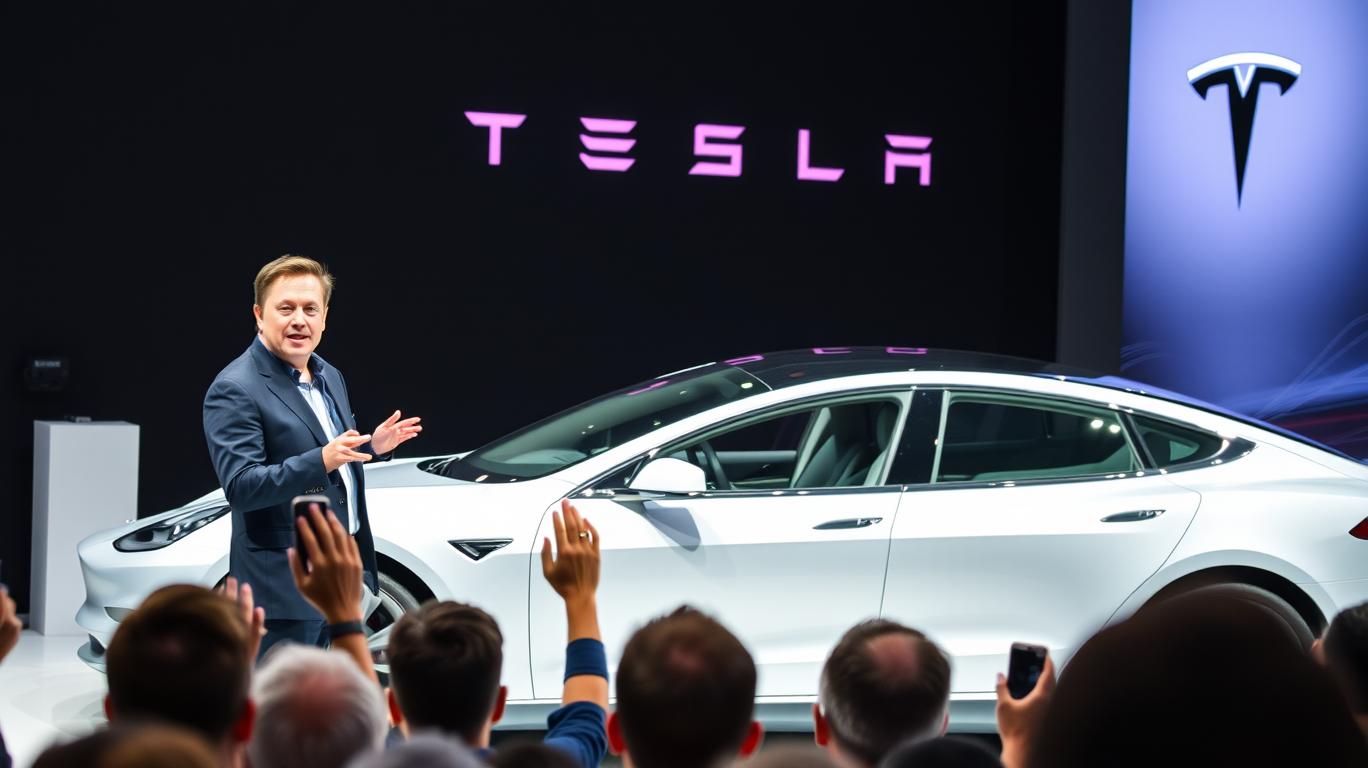
In the short term, Tesla's stock price may experience volatility due to uncertainty and potential investor concerns. However, given Tesla's strong brand and innovative products, the long-term impact is likely to be minimal. The author mentioned favoring companies with enduring business models and robust management, like Tesla. Therefore, they may see this as a buying opportunity if Tesla's stock price dips, as they believe it is built to last and has proven management.
As the author's core investment values emphasize stability, predictability, and consistent growth, the Delaware court's decision may lead to a wider range of CEO pay packages, with less focus on maximizing stock awards. This shift could reduce the correlation between CEO pay and shareholder returns, potentially improving alignment between executive interests and long-term company performance.
Tesla could explore alternative compensation structures to attract and retain top talent in light of the court's decision. One option is performance-based compensation, tying executive pay to specific, measurable performance targets. Another option is deferred compensation, which involves paying executives in the future, linked to the company's long-term performance. Additionally, Tesla could offer restricted stock units (RSUs) that vest over time, providing long-term incentives for executives to stay with the company. A combination of these strategies could ensure fairness and attract the best talent.
The Delaware Chancery Court's decision to reject Elon Musk's record-setting Tesla pay package sets a significant precedent for executive compensation. This move highlights the court's willingness to scrutinize CEO pay packages, especially when there are concerns about board independence and fairness to shareholders. Other companies may now be more cautious in designing compensation plans, potentially leading to a wider range of CEO pay packages, with less focus on maximizing stock awards. This shift could reduce the correlation between CEO pay and shareholder returns, potentially improving alignment between executive interests and long-term company performance.
Elon Musk's record-breaking Tesla pay package has been rejected by a Delaware judge, potentially signaling a shift in how CEO compensation is viewed. Despite shareholders approving the package, the judge ruled that the board was too influenced by Musk, setting a precedent for future compensation decisions. This article explores the implications of this decision for investors, the broader market, and Tesla's future.
The Delaware Chancery Court's decision to reject Elon Musk's Tesla pay package twice, despite shareholder approval, highlights the court's willingness to scrutinize CEO pay packages, especially when there are concerns about board independence and fairness to shareholders. This move could influence other companies' compensation plans, encouraging them to be more cautious and consider potential judicial scrutiny.
In the short term, Tesla's stock price may experience volatility due to uncertainty and potential investor concerns. However, given Tesla's strong brand and innovative products, the long-term impact is likely to be minimal. The author mentioned favoring companies with enduring business models and robust management, like Tesla. Therefore, they may see this as a buying opportunity if Tesla's stock price dips, as they believe it is built to last and has proven management.
As the author's core investment values emphasize stability, predictability, and consistent growth, the Delaware court's decision may lead to a wider range of CEO pay packages, with less focus on maximizing stock awards. This shift could reduce the correlation between CEO pay and shareholder returns, potentially improving alignment between executive interests and long-term company performance.
Tesla could explore alternative compensation structures to attract and retain top talent in light of the court's decision. One option is performance-based compensation, tying executive pay to specific, measurable performance targets. Another option is deferred compensation, which involves paying executives in the future, linked to the company's long-term performance. Additionally, Tesla could offer restricted stock units (RSUs) that vest over time, providing long-term incentives for executives to stay with the company. A combination of these strategies could ensure fairness and attract the best talent.
The Delaware Chancery Court's decision to reject Elon Musk's record-setting Tesla pay package sets a significant precedent for executive compensation. This move highlights the court's willingness to scrutinize CEO pay packages, especially when there are concerns about board independence and fairness to shareholders. Other companies may now be more cautious in designing compensation plans, potentially leading to a wider range of CEO pay packages, with less focus on maximizing stock awards. This shift could reduce the correlation between CEO pay and shareholder returns, potentially improving alignment between executive interests and long-term company performance.

Divulgación editorial y transparencia de la IA: Ainvest News utiliza tecnología avanzada de Modelos de Lenguaje Largo (LLM) para sintetizar y analizar datos de mercado en tiempo real. Para garantizar los más altos estándares de integridad, cada artículo se somete a un riguroso proceso de verificación con participación humana.
Mientras la IA asiste en el procesamiento de datos y la redacción inicial, un miembro editorial profesional de Ainvest revisa, verifica y aprueba de forma independiente todo el contenido para garantizar su precisión y cumplimiento con los estándares editoriales de Ainvest Fintech Inc. Esta supervisión humana está diseñada para mitigar las alucinaciones de la IA y garantizar el contexto financiero.
Advertencia sobre inversiones: Este contenido se proporciona únicamente con fines informativos y no constituye asesoramiento profesional de inversión, legal o financiero. Los mercados conllevan riesgos inherentes. Se recomienda a los usuarios que realicen una investigación independiente o consulten a un asesor financiero certificado antes de tomar cualquier decisión. Ainvest Fintech Inc. se exime de toda responsabilidad por las acciones tomadas con base en esta información. ¿Encontró un error? Reportar un problema


SOBRE NOSOTROS
Nuestra historiaAutores de noticiasBase de conocimientosPolítica de privacidadTérmino de usoDescargo de responsabilidad de corretaje de tercerosTérminos de uso de AIMEDivulgaciones de riesgos de AInvest AICarrerasCONTÁCTENOS
Email: support@ainvest.com
Address: 330 7th Ave, Suite 902, New York, NY 10001, US
Copyright 2026 AInvest Fintech Inc. All rights reserved.


Comentarios
Aún no hay comentarios