
DeFi Scores Major Win: U.S. House Committee Strikes Down IRS Crypto Rule
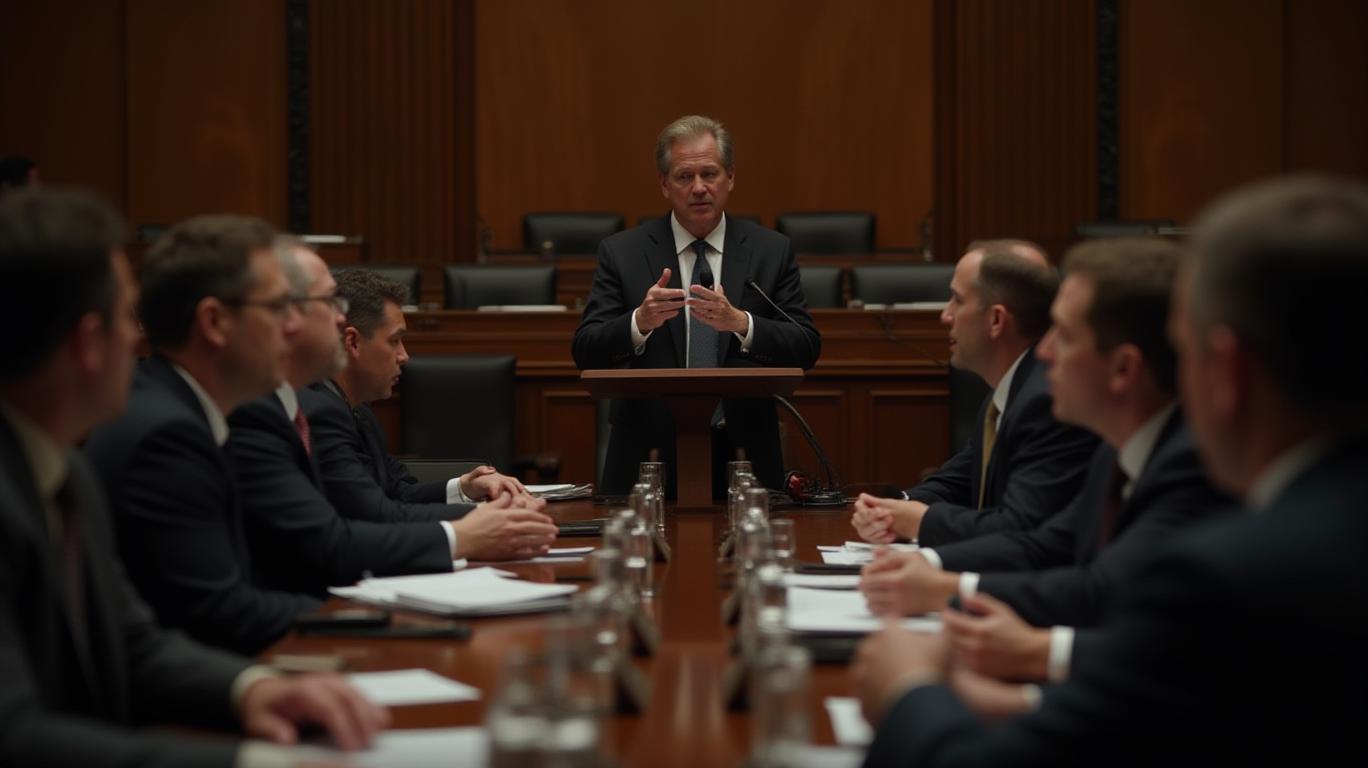
The U.S. House of Representatives' Ways and Means Committee has voted to strike down a proposed IRS rule that would have expanded the agency's authority over cryptocurrency transactions. The move is seen as a significant victory for the decentralized finance (DeFi) industry, which has been advocating for a more lenient regulatory approach.
The IRS had proposed a rule that would have required cryptocurrency brokers to report transactions to the agency, including those involving DeFi platforms. The rule was criticized by industry advocates, who argued that it would have stifled innovation and made it more difficult for users to participate in the DeFi ecosystem.
The committee's vote to strike down the rule is a major setback for the IRS, which has been seeking to expand its authority over the cryptocurrency industry. The agency has been under pressure to crack down on tax evasion and other illicit activities involving cryptocurrencies, but the proposed rule was seen as an overreach by many in the industry.
The DeFi industry has been growing rapidly in recent years, with a number of platforms offering a range of financial services, including lending, borrowing, and trading. The industry has been praised for its potential to democratize finance and make it more accessible to a wider range of users. However, it has also been criticized for its lack of regulation and the potential for fraud and other illicit activities.
The committee's vote is a clear signal that Congress is willing to push back against the IRS's efforts to expand its authority over the cryptocurrency industry. It remains to be seen whether the agency will continue to pursue the proposed rule or seek a more collaborative approach with the industry.
The cryptocurrency industry has been grappling with regulatory uncertainty for years, and the IRS's proposed rule was just the latest example of the challenges it faces. The committee's vote is a positive development for the industry, but it remains to be seen how the regulatory landscape will evolve in the coming years.







Comentarios
Aún no hay comentarios