
DeFi Collapse Risks: Analyzing the Aftermath of Notional V3's Shutdown and Cross-Chain Liquidity Migration
The Notional V3 Collapse: A Case Study in Systemic Risk
The Notional V3 incident, directly linked to the Balancer exploit, underscores the fragility of interconnected DeFi protocols. Attackers exploited a rounding flaw in Balancer's Stable Pools, siphoning funds through manipulated BatchSwap mechanisms, according to Eco's protocol ranking. This exploit rippled across 27 forked protocols, including those on EthereumETH--, ArbitrumARB--, and Base, amplifying losses and eroding user trust. The incident revealed a critical flaw: DeFi's composability-its ability to integrate protocols seamlessly-also creates cascading failures when a single component falters.
The U.S. government shutdown of 2025 further exacerbated liquidity constraints, indirectly impacting DeFi markets. With the SEC unable to process registration statements, projects like Magnum Ice Cream delayed IPOs, while stablecoin withdrawal volumes surged as investors moved assets to private wallets, according to CryptoFront's Polygon report. These macroeconomic pressures highlighted how traditional financial disruptions can spill into DeFi, compounding systemic risks.
Cross-Chain Liquidity Migration: A Double-Edged Sword
In response to such crises, cross-chain liquidity migration has become a cornerstone of DeFi risk management. Platforms like Stargate Finance and Synapse Protocol enable rapid, low-cost asset transfers across blockchains, allowing users to diversify exposure and avoid single-chain vulnerabilities. For instance, Synapse's 80% fee savings on cross-chain routes makes it a preferred tool for liquidity arbitrage. However, these bridges are not immune to attacks. The Balancer exploit demonstrated how vulnerabilities in one chain can propagate to others, particularly when protocols share common smart contract frameworks.
The 2025 XT.com hack further illustrates this risk. Attackers used Polygon and OptimismOP-- bridges to launder stolen funds across Ethereum, leveraging chain-hopping to obscure transaction trails. This highlights a paradox: while cross-chain migration enhances resilience, it also complicates regulatory oversight and forensic tracking.
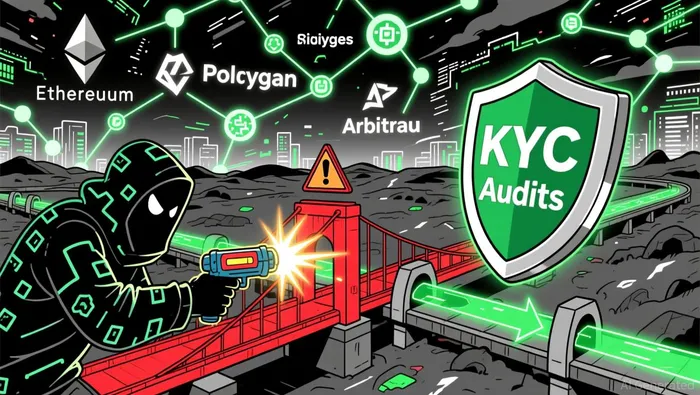
Mitigating Risks: Lessons from 2025
The aftermath of Notional V3 and Balancer has spurred industry-wide reforms. Protocols are now prioritizing real-time smart contract audits and emergency governance mechanisms to halt exploits swiftly. For example, Berachain's coordinated network halt during the Balancer incident prevented further losses. Similarly, token buyback programs, adopted by projects like Ether.fi, aim to stabilize prices and rebuild investor confidence.
Regulators are also stepping in. The U.S. Treasury's proposed GENIUS Act seeks to embed KYC requirements into smart contracts, a move that could curb illicit activity but risks diluting DeFi's decentralized ethos. Meanwhile, tools like Merkle Science's Tracker are being developed to trace cross-chain transactions, offering a glimmer of hope for transparency.
The Road Ahead: Balancing Innovation and Stability
As DeFi's total value locked (TVL) surpasses $150 billion, the sector must balance innovation with prudence. Cross-chain strategies will remain vital, but their success hinges on robust security frameworks and regulatory clarity. Investors should monitor protocols that adopt multi-signature wallets, formal code verification, and decentralized governance-practices now seen as non-negotiable.
The Notional V3 collapse serves as a cautionary tale: DeFi's promise of financial freedom cannot thrive without systemic safeguards. In 2025, the industry stands at a crossroads. The path forward demands collaboration between developers, regulators, and users to build a resilient, transparent ecosystem-one where liquidity migration is a lifeline, not a liability.






Comentarios
Aún no hay comentarios