
US Defense Industry Braces for Tech Shake-up Under Trump
Generado por agente de IATheodore Quinn
jueves, 16 de enero de 2025, 12:32 am ET1 min de lectura
BAH--
The incoming Trump administration's focus on efficiency and disruption in the defense sector is set to reshape the balance between established contractors and emerging tech firms. With Elon Musk at the helm of a government efficiency commission, the stage is set for a tech shake-up that could have significant financial implications for the defense industry.

Trump's preference for acting cabinet secretaries, such as Christopher Miller, could lead to a more dynamic and innovative approach to defense policy. Miller's background in special operations and counterterrorism, along with his low-ego personality, may result in a pragmatic and decentralized approach to defense innovation. This could involve pushing down innovation funds to the operator level, fostering a culture of risk-taking, and encouraging decentralized innovation.
However, this preference for acting secretaries could also lead to a lack of continuity and consistency in leadership, potentially resulting in unpredictable policy changes and delayed decision-making. This could impact the defense industry's ability to plan and invest in long-term projects, as well as create uncertainty in the decision-making processes.
Trump's emphasis on efficiency and disruption could lead to increased competition and collaboration between established contractors and emerging tech firms. This could result in more partnerships and collaborations, as seen in the deal between Palantir and Booz Allen Hamilton. New opportunities for tech firms in areas like AI, drones, and uncrewed submarines could emerge, potentially shifting the Pentagon's priorities and giving emerging tech firms a better chance to compete for contracts.
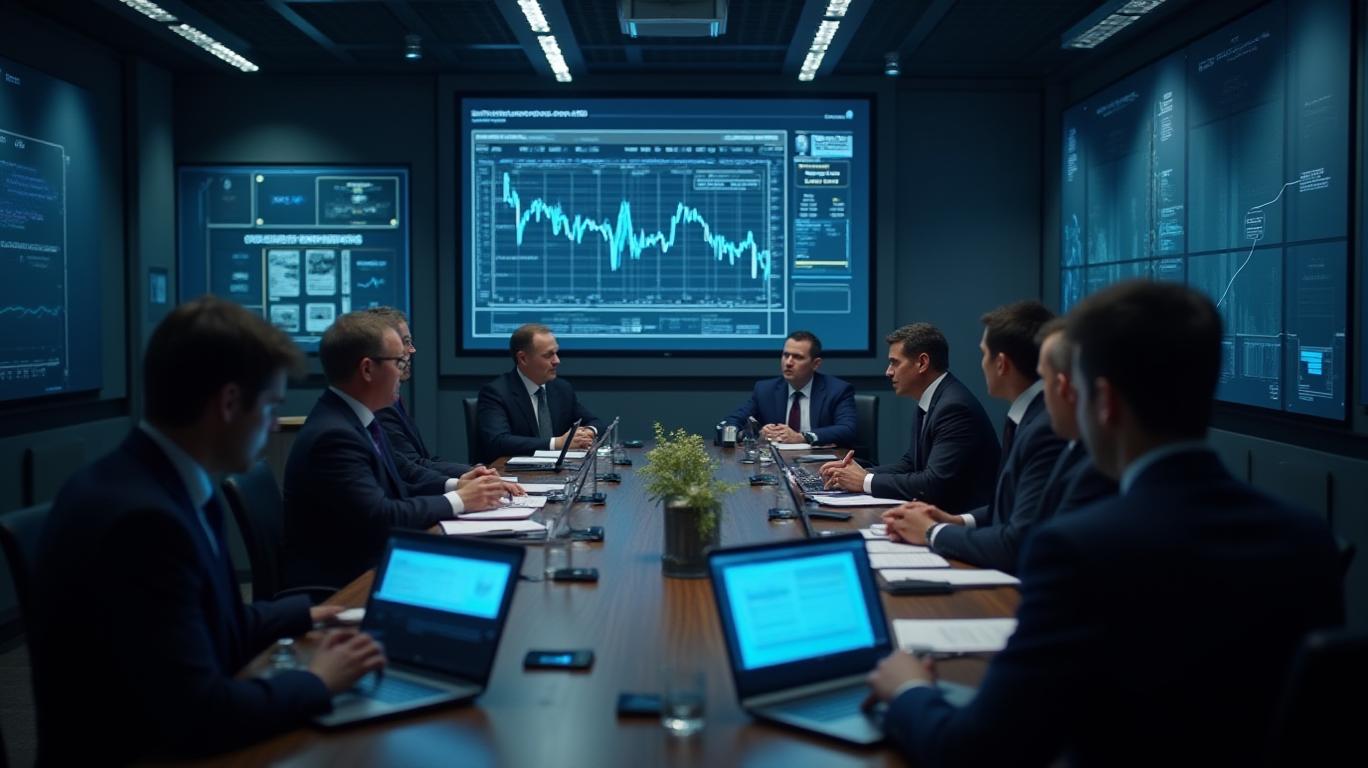
However, the increased competition and focus on innovation could pose challenges for established contractors. These companies may need to adapt their strategies and consider partnerships with smaller firms to stay competitive in the face of Trump's efficiency drive. This could lead to a more competitive landscape, with established contractors and emerging tech firms vying for contracts and partnerships.
In conclusion, the Trump administration's focus on efficiency and disruption in the defense sector is set to reshape the balance between established contractors and emerging tech firms. While this could lead to increased innovation and collaboration, it may also create challenges for established contractors and uncertainty in the decision-making processes. Investors should closely monitor the situation and consider the financial implications of these changes for the defense industry.
PLTR--
The incoming Trump administration's focus on efficiency and disruption in the defense sector is set to reshape the balance between established contractors and emerging tech firms. With Elon Musk at the helm of a government efficiency commission, the stage is set for a tech shake-up that could have significant financial implications for the defense industry.
Trump's preference for acting cabinet secretaries, such as Christopher Miller, could lead to a more dynamic and innovative approach to defense policy. Miller's background in special operations and counterterrorism, along with his low-ego personality, may result in a pragmatic and decentralized approach to defense innovation. This could involve pushing down innovation funds to the operator level, fostering a culture of risk-taking, and encouraging decentralized innovation.
However, this preference for acting secretaries could also lead to a lack of continuity and consistency in leadership, potentially resulting in unpredictable policy changes and delayed decision-making. This could impact the defense industry's ability to plan and invest in long-term projects, as well as create uncertainty in the decision-making processes.
Trump's emphasis on efficiency and disruption could lead to increased competition and collaboration between established contractors and emerging tech firms. This could result in more partnerships and collaborations, as seen in the deal between Palantir and Booz Allen Hamilton. New opportunities for tech firms in areas like AI, drones, and uncrewed submarines could emerge, potentially shifting the Pentagon's priorities and giving emerging tech firms a better chance to compete for contracts.
However, the increased competition and focus on innovation could pose challenges for established contractors. These companies may need to adapt their strategies and consider partnerships with smaller firms to stay competitive in the face of Trump's efficiency drive. This could lead to a more competitive landscape, with established contractors and emerging tech firms vying for contracts and partnerships.
In conclusion, the Trump administration's focus on efficiency and disruption in the defense sector is set to reshape the balance between established contractors and emerging tech firms. While this could lead to increased innovation and collaboration, it may also create challenges for established contractors and uncertainty in the decision-making processes. Investors should closely monitor the situation and consider the financial implications of these changes for the defense industry.

Divulgación editorial y transparencia de la IA: Ainvest News utiliza tecnología avanzada de Modelos de Lenguaje Largo (LLM) para sintetizar y analizar datos de mercado en tiempo real. Para garantizar los más altos estándares de integridad, cada artículo se somete a un riguroso proceso de verificación con participación humana.
Mientras la IA asiste en el procesamiento de datos y la redacción inicial, un miembro editorial profesional de Ainvest revisa, verifica y aprueba de forma independiente todo el contenido para garantizar su precisión y cumplimiento con los estándares editoriales de Ainvest Fintech Inc. Esta supervisión humana está diseñada para mitigar las alucinaciones de la IA y garantizar el contexto financiero.
Advertencia sobre inversiones: Este contenido se proporciona únicamente con fines informativos y no constituye asesoramiento profesional de inversión, legal o financiero. Los mercados conllevan riesgos inherentes. Se recomienda a los usuarios que realicen una investigación independiente o consulten a un asesor financiero certificado antes de tomar cualquier decisión. Ainvest Fintech Inc. se exime de toda responsabilidad por las acciones tomadas con base en esta información. ¿Encontró un error? Reportar un problema




Comentarios
Aún no hay comentarios