
Defense ETF Volatility Amid Trump's Pentagon Overhaul: Strategic Positioning in a Shifting Budget Landscape
The U.S. defense sector is undergoing a seismic transformation under President Donald Trump's Pentagon overhaul, marked by unprecedented budget increases and policy shifts. With the proposed $1.5 trillion defense budget for fiscal year 2027-a 50% surge from current levels-investors are recalibrating their strategies to navigate the volatility of defense ETFs in this high-stakes environment. This analysis explores how strategic ETF positioning can capitalize on the evolving defense landscape while mitigating risks tied to political and fiscal uncertainties.
The Trump Defense Agenda: A Catalyst for Sector Growth
The cornerstone of Trump's defense strategy is the "One, Big Beautiful Bill Act," which allocated over $1 trillion for FY 2026, marking the first time the U.S. defense budget exceeded $1 trillion. This spending spree prioritizes emerging technologies such as artificial intelligence, directed energy, and quantum computing, alongside modernization of nuclear arsenals and shipbuilding programs. According to a report by the Council on Foreign Relations, these investments aim to address both traditional and non-traditional security threats, including "great-power competition" and domestic challenges like immigration and drug trafficking as detailed in the Brookings analysis.
However, the scale of these expenditures has raised concerns about fiscal sustainability. The Congressional Budget Office (CBO) projects defense costs will rise by 11% over the next decade, reaching $965 billion (in 2025 dollars) by 2039, driven by personnel compensation and operational expenses. Analysts warn that such growth could strain public finances as entitlement obligations and national debt climb according to TD Economics.
Defense ETFs: Riding the Wave of Volatility
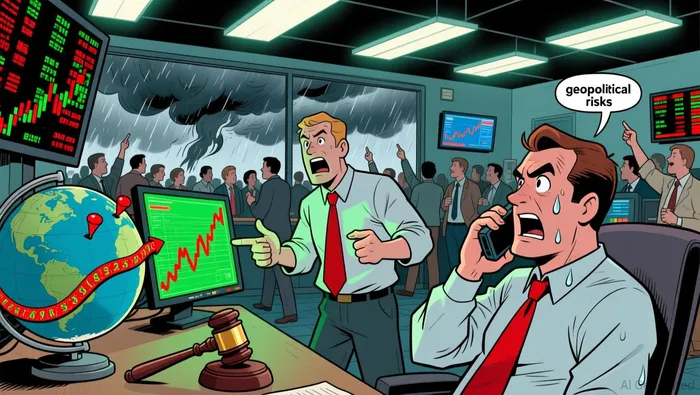 The defense ETF landscape has mirrored the turbulence of Trump's policy announcements. For instance, the iShares U.S. Aerospace & Defense ETF (ITA) and the Invesco Aerospace & Defense ETF (PPA) have experienced sharp intraday swings following Trump's threats to block dividends and stock buybacks unless production targets are met. A report by The Globe and Mail highlights that ITA surged to an all-time high before a brief pullback triggered by Trump's rhetoric, only to rebound as investors anticipated heightened geopolitical tensions as reported in their analysis.
The Global X Defense Tech ETF (SHLD) has been particularly volatile, surging 90.5% over the past year as it tracks smaller, tech-focused defense firms. Schwab Network analysts note that such ETFs offer a diversified approach to capitalize on global military spending trends, especially amid U.S.-Iran tensions and military actions in the Middle East according to their coverage. However, the sector's exposure to political risk remains acute; Trump's unpredictable statements can trigger rapid corrections, as seen in the defense sector's whipsaw movements following his 50% budget increase proposal.
Strategic Positioning: Balancing Opportunity and Risk
For investors, the key lies in strategic ETF positioning that balances long-term growth potential with risk management. Diversification across broad-based defense ETFs like ITA and PPA-which hold blue-chip contractors such as Lockheed MartinLMT-- (LMT) and Northrop GrummanNOC-- (NOC)-can mitigate the volatility of niche funds like SHLD as noted in their coverage. Additionally, hedging against political risk by pairing defense ETFs with interest rate-sensitive assets or inflation-linked bonds may help offset fiscal strain concerns according to TD Economics.
A critical consideration is the alignment of ETF holdings with Trump's policy priorities. For example, the Pentagon's emphasis on nuclear modernization and shipbuilding bodes well for firms like RTXRTX-- and General DynamicsGD-- (GD), which are weighted in major defense ETFs according to CFR analysis. Conversely, companies facing scrutiny for delivery delays or excessive buybacks may underperform, as highlighted in the CSIS analysis of Pentagon-industry trust dynamics as reported by CSIS.
Risks and the Road Ahead
While the defense sector appears poised for growth, investors must remain vigilant. The Pentagon's failure to pass audits since 2018 and its projected continuation through 2028 underscore systemic inefficiencies according to UCS analysis. Moreover, the 38.3% increase in defense lobbying expenditures from 2020 to 2024 signals growing influence of industry players in shaping policy, potentially distorting market signals as detailed in their report.
Looking ahead, the CBO's 10-year defense cost projections and Trump's 2027 budget proposals will be pivotal. Investors should monitor congressional debates over fiscal sustainability and the Pentagon's ability to deliver on modernization goals. As noted by the Union of Concerned Scientists, the expanding military-industrial complex raises questions about whether spending translates to operational effectiveness according to their analysis.
Conclusion
Trump's Pentagon overhaul has created a volatile yet lucrative environment for defense ETFs. Strategic positioning requires a nuanced understanding of policy priorities, fiscal risks, and market dynamics. By diversifying holdings, hedging against political uncertainty, and aligning with modernization trends, investors can navigate this shifting landscape while capitalizing on the sector's long-term potential. As the U.S. defense budget continues to balloon, the challenge lies in distinguishing between sustainable growth and fiscal overreach-a task that demands both vigilance and adaptability.





Comentarios
Aún no hay comentarios