
Defense Drone Procurement in Iraq: Strategic Defense Industrialization in a Volatile Landscape
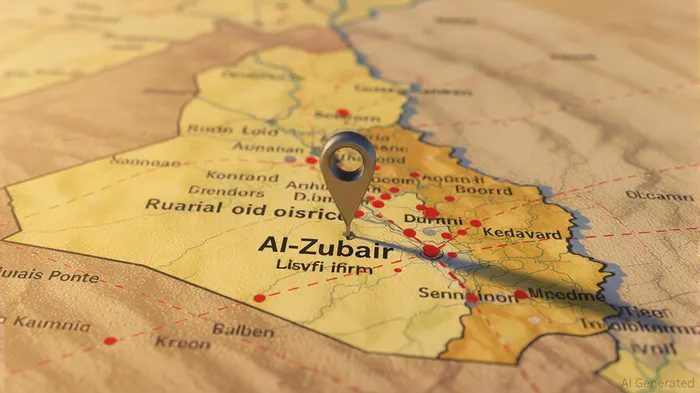
Iraq's military procurement strategy for 2024–2025, spearheaded by Prime Minister Mohammed Shia al-Sudani, represents a pivotal shift toward self-reliance and operational efficiency in a region rife with geopolitical tensions. According to a report by Shafaq News, the government aims to diversify weapons sources, reduce procurement delays, and align upgrades with national security priorities[1]. This restructuring is not merely administrative but a calculated response to Iraq's historical struggles with corruption, inefficiency, and overreliance on foreign suppliers[1]. For investors, the focus on defense industrialization—particularly in volatile regions like Al-Zubair District—presents a compelling case for long-term gains tied to both security and economic stabilization.
Al-Zubair: A Strategic Crossroads
Al-Zubair District, situated near Iraq's southern border with Kuwait, is a linchpin in the country's energy and security architecture. Its proximity to the Rumaila oil field—the largest in Iraq—and critical infrastructure such as the Al-Zubair Oil Terminal makes it indispensable to the nation's energy exports. However, the district's strategic value is shadowed by its history of instability. From sectarian violence in the 2000s to ongoing threats from militant groups and cross-border tensions, Al-Zubair has long been a flashpoint for regional conflict.
This duality—of economic importance and security vulnerability—positions Al-Zubair as a prime candidate for targeted defense investments. The district's geographic centrality also makes it a natural hub for monitoring and securing Iraq's southern approaches, a role that becomes increasingly critical as the country seeks to stabilize its energy corridors and assert sovereignty over its resources.
Defense Drones: A Catalyst for Industrialization
Iraq's procurement strategy explicitly emphasizes modernization, with defense drones emerging as a cornerstone of this effort. Unmanned aerial systems (UAS) offer cost-effective solutions for surveillance, border patrol, and counterinsurgency operations—capabilities that align with Al-Zubair's security needs. While the specifics of programs like Rottgen's procurement initiative remain opaque, the broader context of Iraq's partnerships with France and South Korea for advanced military systems suggests a growing appetite for localized drone production and maintenance ecosystems[1].
The integration of drone technology into Iraq's defense framework could catalyze a ripple effect of industrialization. Establishing local manufacturing hubs, training centers, and maintenance facilities in Al-Zubair would not only bolster security but also create jobs and stimulate ancillary industries such as cybersecurity and data analytics. For instance, a 2023 report by the Bayan Center highlights how procurement reforms aim to reduce systemic inefficiencies by fostering domestic capabilities[1]. This shift could transform Al-Zubair into a regional hub for defense tech, attracting foreign direct investment (FDI) and fostering public-private partnerships.
Investment Opportunities and Risks
The strategic case for investing in Iraq's defense industrialization is bolstered by several factors:
1. Geopolitical Leverage: Al-Zubair's proximity to oil infrastructure ensures that security investments here directly impact Iraq's economic lifeline.
2. Policy Momentum: The government's commitment to procurement reform, including anti-corruption measures, enhances the predictability of the investment environment[1].
3. Regional Demand: Neighboring Gulf states, wary of Iran's influence and regional instability, may seek to partner with Iraq on joint defense projects, amplifying market potential.
However, risks persist. Political instability, bureaucratic inertia, and the lingering threat of insurgency could delay project timelines or inflate costs. Investors must also navigate the complexities of operating in a post-conflict environment, where infrastructure gaps and regulatory ambiguities remain significant hurdles.
Conclusion: A High-Stakes Bet with Long-Term Payoff
While the absence of granular details on programs like Rottgen's procurement initiative introduces uncertainty, the broader trajectory of Iraq's defense strategy is clear: industrialization, localization, and strategic alignment with volatile regional needs. Al-Zubair District, with its unique blend of economic and security significance, stands to benefit disproportionately from this shift. For investors willing to navigate the risks, the potential rewards—ranging from infrastructure development to technological innovation—are substantial.
As Iraq charts its path toward self-sufficiency, the convergence of defense modernization and regional stability will likely redefine the country's geopolitical and economic landscape. In Al-Zubair, this transformation is not just a national imperative—it is an investment opportunity waiting to be realized.







Comentarios
Aún no hay comentarios