
Defense Contractors in the Crossfire: U.S.-Ukraine Tensions and the Risks to Military Supply Chains
The pause in U.S. military aid to Ukraine, announced in early 2025, has exposed vulnerabilities in global defense supply chains that could ripple through the bottom lines of major contractors. As Washington grapples with fiscal constraints and stalled diplomacy with Moscow, companies reliant on Ukraine-related contracts now face a precarious balancing act between geopolitical risk and profit. For investors, this moment demands a sharp recalibration of exposure to defense stocks.
The freeze on shipments of air defense systems—such as Raytheon's Patriot missiles—and precision-guided munitions marks a pivotal shift in U.S. foreign policy. With the Pentagon citing “stockpile strain” and a $2.25 trillion Q4 2024 budget deficit, the pause signals a broader prioritization of domestic over foreign military spending. This decision directly impacts firms like Lockheed Martin (producer of F-16 fighter jets) and Raytheon Technologies, whose Patriot missile sales to Ukraine have been a key revenue driver since 2022.
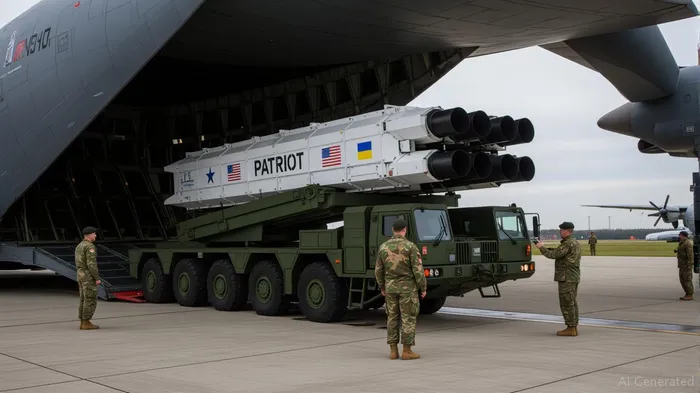
The immediate risk lies in disrupted supply chains. Over 60% of U.S. military aid to Ukraine is sourced domestically, sustaining jobs and production lines at firms such as General Dynamics (HIMARS rocket systems) and Boeing (logistics support). A prolonged pause could force these companies to idle factories or absorb unsold inventory. * would likely show a steep decline if Ukraine's orders are cut, while peers like *Northrop Grumman, less exposed to Ukraine, might fare better.
Geopolitical uncertainty compounds these risks. Stalled U.S.-Russia diplomacy—despite talks in Istanbul and Riyadh—has failed to halt Russia's escalation. Moscow's increased drone strikes, now averaging 100 per day, have raised fears of a prolonged conflict that could strain U.S. stockpiles further. Defense contractors face a Catch-22: producing for Ukraine risks depleting domestic readiness, but halting shipments risks diplomatic fallout if Kyiv's defenses falter.
The Middle East adds another layer of instability. Escalating tensions in the region—exemplified by Iran's nuclear ambitions and drone attacks on Gulf oil facilities—could divert U.S. military aid priorities. A shift toward bolstering Gulf state defenses would reallocate resources from Ukraine, squeezing contractors further. might reveal how geopolitical flare-ups correlate with investor sentiment.
Investors must also consider European substitution. European nations, now Ukraine's top aid provider, are stepping in with systems like Germany's IRIS-T SLM air defense. While this creates niche opportunities for firms like Diehl Defence, it also means reduced reliance on U.S. contractors. Companies like MBDA (SAMP/T missiles) or Saab (anti-drone systems) could gain share, at the expense of U.S. firms' margins.
Investment Implications
- Reduce exposure to Ukraine-heavy contractors: Firms like Raytheon and Lockheed MartinLMT-- face near-term revenue volatility.
- Focus on diversified portfolios: Companies like L3Harris (diverse global contracts) or BAE Systems (European focus) offer more stable demand.
- Monitor stockpile data: The Pentagon's quarterly inventory reports (e.g., Patriot missile reserves) will signal whether production ramps up or slows.
The pause in aid underscores a broader truth: defense contractors are no longer insulated from geopolitical tailwinds. In an era of constrained budgets and shifting alliances, investors must favor firms with diversified revenue streams—or brace for turbulence as U.S. foreign policy continues to pivot.





Comentarios
Aún no hay comentarios