
Decoding the December Fed Rate Cut: Implications for Global Markets and Strategic Asset Allocation
The Federal Reserve's December 2025 meeting has become a focal point for global markets, with an 87.2% probability priced in for a 25-basis-point rate cut to a range of 3.50%-3.75%. While this high probability reflects market expectations, it masks the Fed's internal divisions and the complex economic signals it must navigate. As investors prepare for this pivotal decision, understanding the implications for asset allocation and hedging strategies is critical.
The Fed's Dilemma: Data vs. Caution
Recent labor market data, including a slight rise in the unemployment rate and weaker private-sector job growth, have reinforced the case for a rate cut. However, inflation remains stubbornly above the 2% target, and delayed data from the recent government shutdown has added uncertainty. Analysts warn that while a cut is likely, the Fed's forward guidance will likely remain "hawkish," signaling limited scope for further easing in 2026. This duality-cutting rates to support a cooling economy while guarding against inflationary risks-highlights the Fed's precarious balancing act.
Market Positioning: Bonds, Equities, and Alternatives
Investors are already adjusting portfolios in anticipation of the rate cut. Intermediate-term U.S. Treasuries, particularly those with five-year maturities, have become a favored asset class, offering a balance of yield and risk mitigation compared to long-duration bonds. The shift away from long bonds reflects concerns about inflation persisting above target and the potential for a structurally higher neutral rate.
In equities, growth stocks-especially those in the AI sector-are dominating market sentiment. Lower interest rates amplify the valuations of companies with long-term cash flows, making profitable, scalable leaders like Alphabet more attractive than speculative high-burn players. Meanwhile, the energy sector has benefited from rebounding oil prices, and small-cap stocks, as represented by the Russell 2000, have shown resilience.
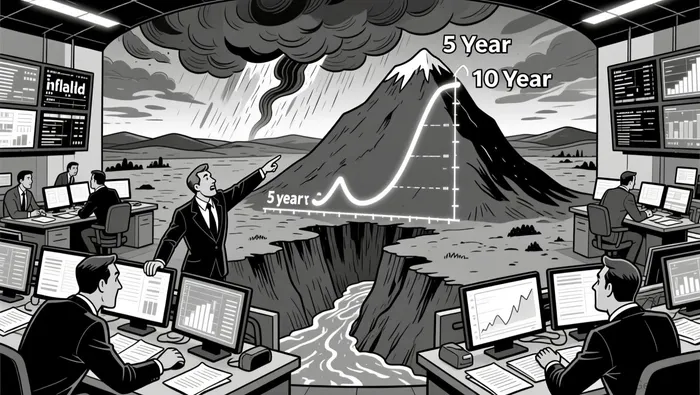
Alternatives are also gaining traction. Gold and BitcoinBTC-- are being positioned as hedges against inflation and geopolitical uncertainties, while the "belly" of the Treasury yield curve (three to seven years) offers a strategic middle ground for yield and risk management.
Strategic Adjustments: Sector Rotations and Hedging
Expert-recommended portfolio adjustments emphasize sector rotations and hedging strategies. Institutional investors are advised to overweight real estate and private equity, which benefit from reduced financing costs and enhanced valuations in a lower-rate environment. Similarly, international equities-particularly in tech-driven markets like Korea, Taiwan, and China-are being eyed for their attractive valuations.
Fixed-income strategies are shifting toward locking in yields with 2- to 5-year maturities, as cash is no longer seen as a viable long-term option amid declining yields. For risk management, diversification across asset classes and regions is critical. Commodity indices, which offer inflation protection and diversification benefits, are gaining attention alongside digital assets and income strategies.
The Road Ahead: Caution and Clarity
While the December cut is likely, the Fed's forward guidance will shape market sentiment in 2026. A pause in rate cuts is anticipated, with only two additional 25bps reductions expected in March and June 2026, driven more by leadership changes than economic conditions. Investors must remain agile, as the Fed's "dot plot" and policy statements will provide critical clues about the path forward.
In conclusion, the December rate cut is a pivotal event that demands a nuanced approach to asset allocation. By prioritizing intermediate bonds, growth equities, and diversified alternatives, investors can position themselves to navigate both the opportunities and risks of a shifting monetary landscape.






Comentarios
Aún no hay comentarios