
Declining Wealth Benchmarks in the U.S.: Navigating Consumer Sentiment and Equity Markets
The Charles Schwab 2025 Modern Wealth Survey reveals a stark shift in how Americans perceive financial security. The net worth required to feel “financially comfortable” has dropped to $839,000 from $1 million in 2023, while the “wealthy” threshold stands at $2.3 million—down from $2.5 million in 2024. These declines, driven by inflation, economic uncertainty, and evolving definitions of wealth, signal a profound reorientation of consumer priorities. For investors, this shift carries critical implications for equity valuations, sector performance, and portfolio strategy.
The New Reality of Wealth Perception
The survey highlights a paradox: while monetary benchmarks for wealth are falling, Americans are increasingly prioritizing non-financial factors like happiness (45%), health (37%), and relationships (24%) over pure income or assets. This redefinition of wealth suggests that consumers are recalibrating their spending habits to align with broader life goals rather than chasing ever-higher income targets.
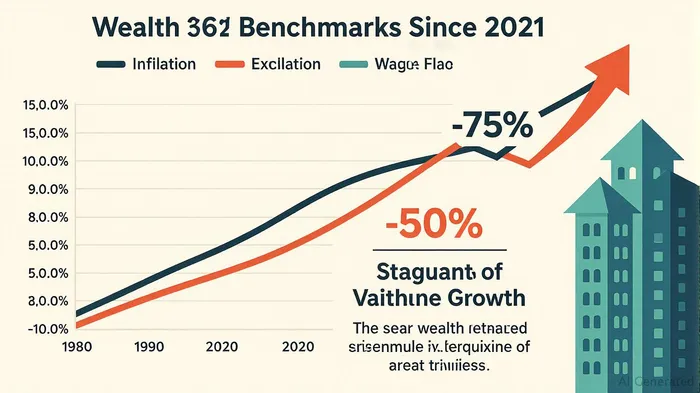
Yet economic headwinds persist. Inflation (cited by 73% of respondents as a barrier to wealth), tax increases (48%), and higher interest rates (43%) continue to squeeze households. These factors, alongside stagnant wage growth, have left many feeling financially precarious. For investors, the question is: How does this sentiment translate into spending behavior and equity market performance?
Consumer Spending: Pragmatism Over Excess
The declining wealth benchmarks suggest a pivot toward practicality. Discretionary sectors like luxury retail and travel may face headwinds as consumers prioritize essentials and experiences over status symbols.
Key sectors to watch:
1. Consumer Staples: Defensive plays like food and household goods are likely to outperform as households focus on necessities.
2. Healthcare: Investments in mental and physical well-being align with the survey's emphasis on health as a component of wealth.
3. Technology: Tools that enable financial planning (e.g., fintech platforms) or remote work solutions may gain traction as Americans seek control over their finances.
Conversely, sectors reliant on discretionary spending—such as high-end retail or entertainment—could struggle unless they pivot to affordability.
Equity Markets: Valuations and Sector Rotation
The wealth perception shift impacts equity valuations in two ways:
1. Discounted Growth Stocks: Companies with high valuations tied to “aspirational” spending (e.g., electric vehicles, streaming services) may face pressure if consumers rein in discretionary purchases.
2. Income-Generating Assets: Sectors like utilities, real estate investment trusts (REITs), and dividend-paying stocks could gain favor as investors seek stability.
Portfolio Strategies for Retail Investors
- Tilt Toward Defensives: Allocate more to consumer staples, utilities, and healthcare. These sectors are less sensitive to economic cycles and offer steady returns.
- Income Focus: Prioritize REITs, high-quality bonds, and blue-chip dividend stocks to hedge against volatility.
- Tech with Purpose: Invest in fintech platforms (e.g., PayPalPYPL--, Square) that simplify financial planning or reduce costs for households.
- Monitor Sentiment Indicators: Track the Conference Board's Consumer Confidence Index and the University of Michigan's Sentiment Survey for early signals of spending shifts.
Generational Dynamics and Long-Term Opportunities
Younger generations (Gen Z and Millennials) set far lower wealth thresholds ($329,000 and $847,000, respectively) and exhibit greater optimism about achieving financial goals. This bodes well for sectors aligned with their priorities:
- Sustainable Investing: ESG-focused companies that emphasize long-term value and societal impact.
- Education and Skills: Platforms offering upskilling or credential programs (e.g., CourseraCOUR--, Udemy) may see growing demand as workers seek to boost earning potential.
Conclusion: Balancing Pragmatism with Growth
The declining wealth benchmarks reflect a sobering reality for U.S. consumers: financial comfort is now defined by less money but more holistic well-being. For investors, this means favoring stability over speculation, income over growth, and resilience over risk. While equities will remain a core asset class, portfolios must increasingly incorporate defensive and income-generating assets to navigate the evolving landscape.
As the Schwab survey underscores, wealth is no longer just about the size of a bank account—it's about the peace of mind derived from managing it wisely. For investors, that means building portfolios that reflect this new reality.





Comentarios
Aún no hay comentarios