
Decentralized Weather Networks Could Save Lives in Africa
In May 2023, deadly floods in Rwanda and the Democratic Republic of Congo highlighted a critical flaw in current weather warning systems. Despite the availability of some meteorological data in Rwanda, the lack of local sensors and alert systems in eastern DRC left thousands of people unaware of the impending danger. This tragedy underscored the need for a more robust and inclusive weather data gathering system.
Current weather infrastructure is often patchy, relying on a limited number of official weather stations that may be miles away from the communities they are meant to protect. This disparity is particularly pronounced in regions where weather patterns go unmonitored, unreported, and unpredicted, creating what can be termed as "data deserts." According to the World Meteorological Organisation, 60% of the African population is not covered by any early warning systems, making these areas increasingly vulnerable to climate-related disasters.
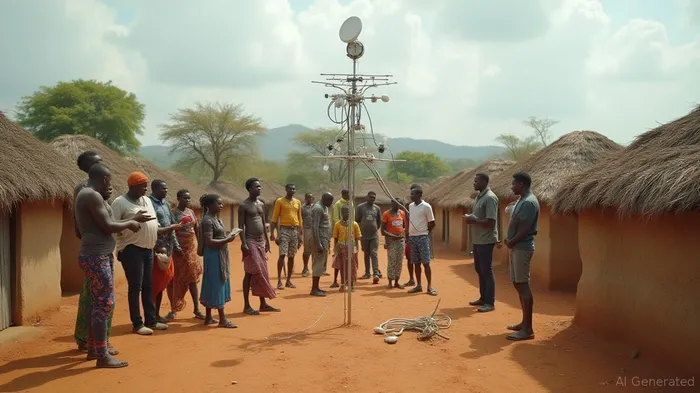
To address this issue, a new approach involving Decentralized Physical Infrastructure Networks (DePIN) and artificial intelligence (AI) is being proposed. DePIN enables community-powered networks where individuals contribute to physical infrastructure and are incentivized to do so. This decentralized model can significantly enhance the coverage and accuracy of weather data by tapping into thousands of small, distributed weather sensors. When paired with AI, these networks can aggregate and analyze real-time data, identify hyperlocal patterns, detect anomalies, and issue relevant alerts to people in specific locations.
The combination of scale and intelligence in this model makes it particularly powerful. Centralized systems, while important, have inherent limitations. Decentralized networks, on the other hand, can grow organically wherever people are willing to participate, providing a more comprehensive and responsive weather monitoring system. This approach does not aim to replace national meteorological agencies but rather to supplement and enhance their capabilities. By integrating decentralized data, weather agencies can multiply their coverage, improve their forecasts, and issue more accurate warnings, ultimately saving lives.
Climate disasters are becoming more frequent and intense, and the people most affected are often the least connected. Relying solely on centralized systems is no longer sufficient. The failure to provide timely and accurate weather warnings in vulnerable regions is a global community failure. However, this failure is not inevitable. With the tools already available, we can rethink and upgrade our weather systems to serve everyone, not just those within range of the radar. The choice is clear: do we want weather systems that protect everyone, or only a privileged few?







Comentarios
Aún no hay comentarios