
Decentralized Finance as a Tool for Economic Empowerment in Sanctioned Economies: Dogecoin's Growing Adoption in Iraq Amid the Debut of the First U.S. ETF
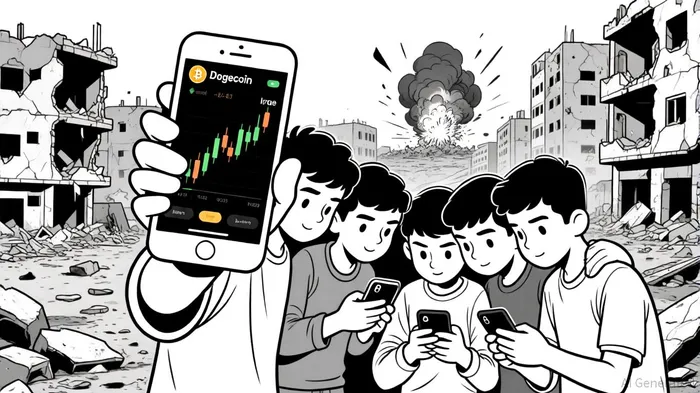
The global financial landscape in 2025 is witnessing a seismic shift as decentralized finance (DeFi) emerges as a lifeline for populations in sanctioned economies. Nowhere is this more evident than in Iraq, where economic instability, hyperinflation, and U.S. sanctions have driven citizens to seek alternatives to traditional banking systems. Amid this backdrop, Dogecoin—a cryptocurrency once dismissed as a joke—has gained traction as a tool for economic empowerment, particularly in the informal sector. The recent launch of the first U.S. DogecoinDOGE-- ETF, Rex-Osprey DOJE, has further amplified interest in the asset, signaling a potential turning point for its role in decentralized ecosystems.
The Iraqi Context: A Regulated Void and Informal Innovation
Iraq's Central Bank (CBI) has maintained a strict ban on cryptocurrency transactions since 2017, classifying virtual assets as “high-risk speculative instruments” and prohibiting financial institutionsFISI-- from engaging in crypto activities[1]. Despite these restrictions, a decentralized network of Iraqi youth has embraced cryptocurrency mining and peer-to-peer (P2P) trading as a means to hedge against the devaluing Iraqi dinar and circumvent U.S. dollar restrictions[1]. While BitcoinBTC-- and Ethereum ClassicETC-- dominate this informal market, Dogecoin's low entry barrier and meme-driven appeal have made it a niche but growing asset.
The CBI's regulatory stance creates a legal gray area: while institutional actors are barred from crypto, individual participation remains technically unregulated. This ambiguity has allowed Iraqis to experiment with decentralized tools, including Dogecoin, to access liquidity and cross-border transaction capabilities[1]. According to a report by alnesoor.com, the informal crypto economy in Iraq is driven by a desire to bypass traditional financial systems and mitigate the risks of fiat currency depreciation[1].
The U.S. Dogecoin ETF: A Catalyst for Global and Local Adoption
The launch of the Rex-Osprey DOGE ETF (DOJE) in September 2025 marks a watershed moment for Dogecoin. As the first U.S. ETF centered on a memeMEME-- coin, DOJE's approval under the Investment Company Act of 1940 reflects institutional recognition of Dogecoin's cultural and speculative value[2]. The ETF's debut triggered a 17% price surge in Dogecoin, with analysts predicting a potential 50–150% increase in the first year[2].
For Iraq, where trust in the banking system has eroded, the U.S. ETF's launch has been a psychological boost. Iraqi traders, despite legal risks, view the ETF as a sign of legitimacy and a potential harbinger of broader adoption. As one trader quoted in TheStreet noted, “We're tired of holding a currency that loses value every day. Dogecoin feels like a chance to reclaim control”[3].
DeFi and Dogecoin: Bridging the GapGAP-- in Sanctioned Economies
While DeFi platforms like AaveAAVE--, UniswapUNI--, and Lido dominate global discussions, their direct impact in Iraq remains limited. However, the integration of Dogecoin into DeFi ecosystems is gaining momentum. For instance, Rosen Bridge announced plans to integrate Dogecoin into its cross-chain DeFi platform in 2025, enabling yield farming, staking, and privacy features[4]. This development positions Dogecoin beyond its meme origins, offering users in sanctioned economies access to decentralized financial tools.
In Iraq, where DeFi revenue is projected to reach $88.1 million in 2025[5], the potential for Dogecoin-based DeFi projects is significant. For example, the DogeOS initiative, which raised $6.9 million in funding led by Polychain Capital, is developing decentralized applications (DApps) on the Dogecoin blockchain, including stablecoin integration and GameFi solutions[4]. These innovations could empower Iraqis to access financial services without relying on traditional institutions.
Challenges and the Path Forward
Despite the promise, challenges persist. Iraq's regulatory environment remains a barrier, with the CBI's 2017 ban still in effect. Additionally, the lack of digital literacy and the prevalence of scams hinder widespread adoption[3]. Globally, DeFi platforms face scrutiny over compliance with OFAC sanctions, with 76% of U.S. crypto exchanges now fully compliant but only 30% of DeFi platforms implementing similar controls[4].
For Dogecoin to realize its potential in Iraq, regulatory clarity is essential. The CBI's current stance leaves individual miners and traders in a legal gray area, while the absence of a comprehensive legal framework for DeFi stifles innovation. Meanwhile, the U.S. ETF's success could pressure regulators to reconsider the role of decentralized assets in formal financial systems.
Conclusion: A New Frontier for Financial Inclusion
The convergence of Dogecoin's growing adoption in Iraq and the debut of the first U.S. ETF underscores the transformative potential of DeFi in sanctioned economies. While regulatory hurdles remain, the informal crypto ecosystem in Iraq demonstrates that decentralized tools can provide financial resilience in times of crisis. As the global DeFi market evolves, the role of Dogecoin—and its ability to bridge the gap between meme culture and economic empowerment—will be a critical narrative to watch.






Comentarios
Aún no hay comentarios