
Debunking the Myths: Why Short-Term Noise Won't Derail Your Long-Term Gains
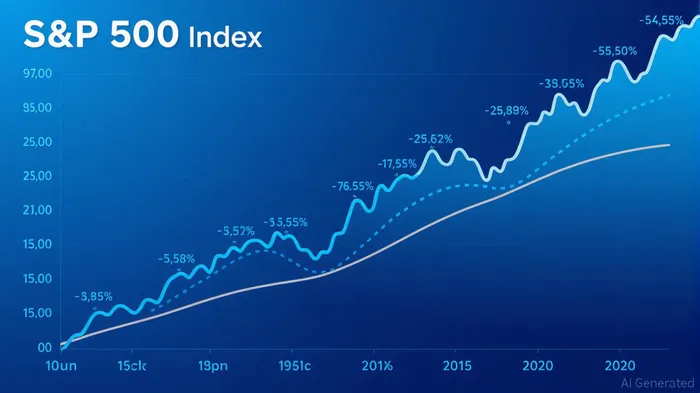
The Truth About Geopolitical Events and Market Volatility
Let's start by busting a myth that's been floating around like a bad stock tip: geopolitical events, while jarring in the moment, rarely derail long-term stock market returns. Take Brexit in 2016. The S&P 500 dropped 2.30% on the day of the referendum, and panic spread like wildfire. But guess what? By 90 days later, the index had recovered and even gained 3.72%. The same pattern held true during the 2022 Russia-Ukraine war. Oil prices spiked, energy stocks wobbled, and headlines screamed “Crisis!” Yet, the S&P 500 rebounded within months as new oil supplies came online and markets adapted.
Why? Because geopolitical events create short-term noise, not long-term damage. As Citigroup's data shows, 90% of such events don't alter the global economy's trajectory. The 1973 oil embargo is a rare exception—it triggered stagflation and a prolonged market slump. But today's U.S. energy independence, thanks to shale fracking, means we're less vulnerable to supply shocks. Don't let headlines paralyze you. The market's long-term story is about economic resilience, not temporary panic.
Earnings Reports: The Overhyped Drama
Now, let's talk earnings reports. Every quarter, investors twitch at the latest numbers, as if one bad report will send the S&P 500 into a tailspin. But history tells a different tale. The S&P 500's 20-year average return of 8.4% includes years of underwhelming earnings—like the dot-com bust (2000-2002) and the 2008 financial crisis. Yet, the index clawed its way back, delivering gains when companies adapted and economies recovered.
Take the “Magnificent Seven” tech giants. In 2022, they accounted for 33.5% of the S&P 500's market cap, and their earnings volatility sent the index plummeting. But by 2024, those same companies led the rebound. The lesson? Short-term earnings swings are part of the game, but long-term value comes from companies that innovate and grow.
Valuation Extremes: Are We in a Bubble?
Here's another misconception: that high valuations guarantee a crash. The S&P 500's current P/E ratio is near historic highs, and critics are already calling it a bubble. But let's put this into context. From 1928 to 2025, the index delivered 9.96% annualized returns, with 6.69% after inflation. Even during the dot-com era, when valuations were sky-high, the market eventually normalized.
The key is to separate valuation from value. High P/E ratios reflect investor optimism about future growth. If companies deliver on those expectations, the valuation becomes justified. The real danger isn't high valuations—it's complacency. If earnings fail to meet lofty expectations, we could see a correction. But that's not a reason to panic; it's a reminder to stay grounded in fundamentals.
The Investor Playbook: Stay Focused on the Long Game
So, how do you navigate this noise? First, stay invested. The S&P 500's long-term returns are powered by compounding, not perfection. Missing out on a few months of gains (like the 23.45% rebound in 2009) can cost you more than any short-term dip.
Second, diversify. While the “Magnificent Seven” dominate headlines, don't ignore smaller sectors like utilities or consumer staples. These stocks provide stability when tech stumbles.
Third, ignore the headlines. Geopolitical events, earnings surprises, and valuation debates are distractions. The market's long-term trend is shaped by economic growth, innovation, and demographics—not the daily drama of the financial news cycle.
Final Call to Action
If there's one takeaway from this analysis, it's this: the S&P 500 is a marathon, not a sprint. Short-term factors like geopolitical events, earnings reports, and valuation extremes are part of the race, but they don't define the finish line. Investors who stay disciplined, focus on fundamentals, and avoid knee-jerk reactions will be the ones who ride the long-term wave to success.
Don't let the noise drown out your strategy. The market's long-term story is one of resilience—and that's a narrative worth betting on.





Comentarios
Aún no hay comentarios