
Debt Ceiling Deadline Looms: Protect Profits with These Safe Havens Before August
The U.S. government's August 2025 debt ceiling “X-date” is now a ticking clock, and investors who ignore it are playing with fire. With Congress's track record of last-minute brinkmanship and the Treasury's cash reserves set to vanish by mid-August, this is no drill. Short-term Treasury yields are spiking, equity sectors tied to borrowing costs are crumbling, and the clock is ticking to lock in safe havens.
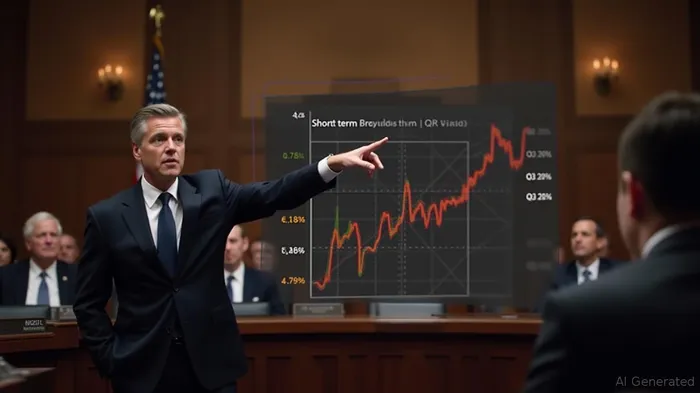
The Debt Ceiling Timeline: A Perfect Storm for Markets
The Treasury projects its cash and extraordinary measures will be exhausted by mid-August, leaving the U.S. at risk of its first-ever default. Even a temporary delay in payments could trigger a credit rating downgrade—a worst-case scenario that would send borrowing costs soaring for everyone from homeowners to corporations.
The stakes are clear: investors holding short-dated Treasuries (e.g., T-bills with maturities under 2 years) face a liquidity trap. Prices for these instruments have already begun to crater as buyers demand higher yields to compensate for default risk. Meanwhile, sectors like real estate investment trusts (REITs) and utilities—both reliant on cheap debt—are collateral damage.
Equity Sector Rotations: Where to Run
1. REITs and Utilities: Ground Zero for Rate Pain
REITs (IYR) and utilities (XLU) are tethered to borrowing costs. If Treasury yields spike further, their valuations will crumble. For example, the iShares U.S. Real Estate ETF (IYR) has already dropped 8% YTD as investors flee perceived risk.
2. Healthcare: Steady as She Goes
Defensive sectors like healthcare (XLV) offer a bulwark against volatility. Pharmaceutical stocks and medical device companies, less tied to economic cycles, have outperformed the broader market this year.
Safe Haven Plays: Bet Against the Debt Ceiling
1. Inverse Treasury ETFs: Profit from Panic
Inverse Treasury ETFs like ProShares Short 20+ Year Treasury (TBF) or UltraPro Short 7-10 Year Treasury (SPTI) allow investors to bet on rising yields. As the X-date nears, these ETFs will thrive if panic drives Treasury prices down.
2. Physical Gold: The Ultimate Hedge
Gold (GLD) has always been a haven in crises, and this debt ceiling showdown is no exception. With credit rating agencies like Moody's threatening downgrades, gold's safe-haven appeal will surge.
3. Cash and Short-Term Bonds: Wait It Out
For the ultra-cautious, holding cash or short-term corporate bonds (e.g., iShares Short-Term Corporate Bond ETF, IGSB) offers liquidity and stability until the dust settles post-August.
The August Deadline: Why Act Now?
Every day closer to August raises the risk of a credit rating downgrade. If agencies like S&P or Moody's slash the U.S. rating, it will ignite a fire sale in Treasuries, send borrowing costs through the roof, and crater equity valuations.
The Treasury's “cash crunch triggers” are a red flag: by mid-July, lawmakers will have zero room for error. Investors who wait until August to act could be left holding the bag in a liquidity crisis.
Final Call to Action
This isn't a time for passive investing. Shift out of rate-sensitive sectors now. Load up on inverse Treasury ETFs, gold, and healthcare. If you own short-dated Treasuries, sell them before yields spike further. And remember: once the default clock hits zero, the only safe move is to sit on cash until Congress mops up this mess.
The August X-date isn't a theory—it's a certainty. Protect your portfolio before the storm hits.
Disclaimer: Past performance does not guarantee future results. Consult a financial advisor before making investment decisions.







Comentarios
Aún no hay comentarios