
Deadly Bird Flu Strain Hits Dairy Cows: 'Could Make COVID Seem Like A Walk In The Park,' Expert Says
Generado por agente de IACyrus Cole
jueves, 6 de febrero de 2025, 7:22 pm ET2 min de lectura
ANSC--
The global dairy market and supply chain have been rocked by the recent outbreak of the highly pathogenic avian influenza (HPAI) H5N1 virus in dairy cows. This strain, which has previously been found in wild birds and poultry, has now been detected in cattle, raising significant public health concerns and economic implications. Experts warn that this outbreak could be more devastating than the COVID-19 pandemic, as the virus has a high mortality rate in poultry and can spread rapidly among livestock.
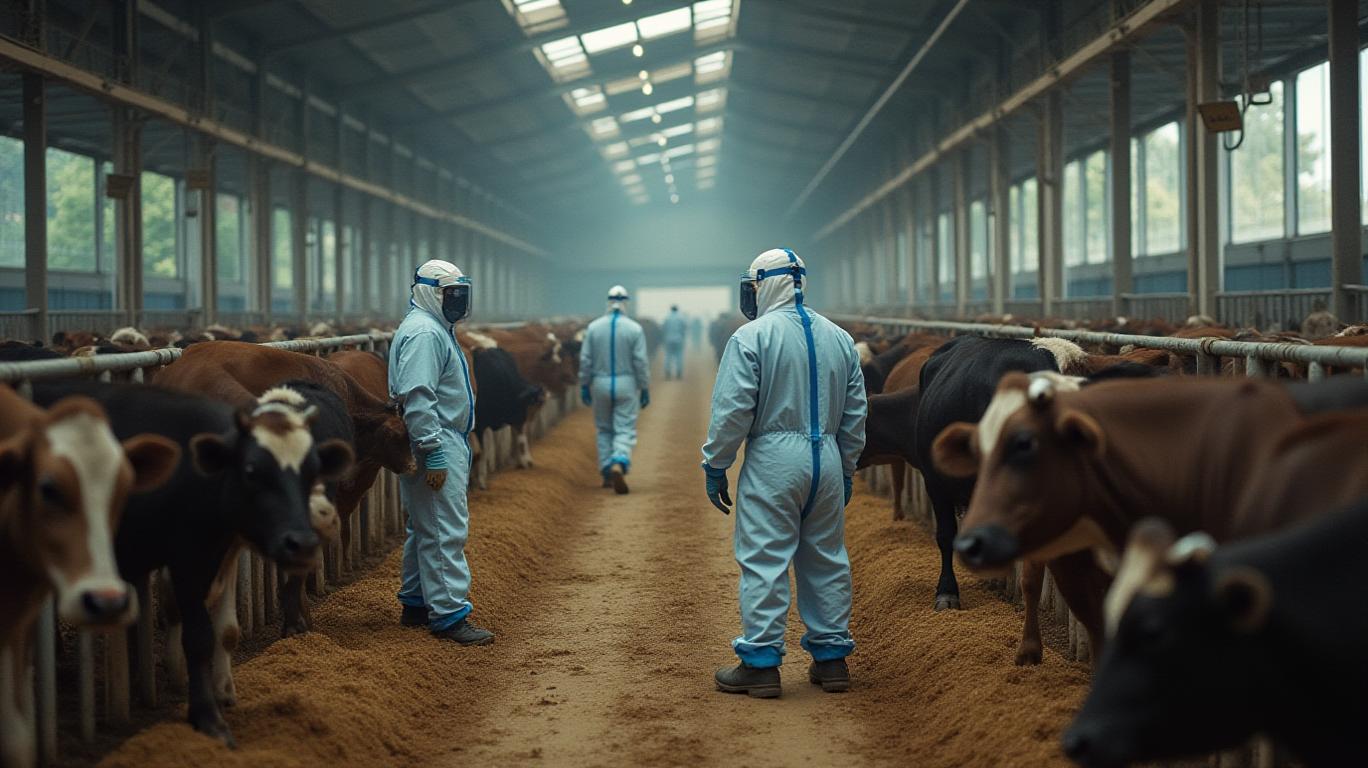
As of May 10, 2024, cases have been reported in 36 licensed dairy herds across nine states in the United States, affecting approximately 1.4% of the total licensed dairy herds in the country (26,290). This outbreak has led to concerns about public health, profit losses in the dairy sector, and potential disruptions in international trade.
The outbreak has led to profit losses in the dairy sector due to reduced milk production and potential forced exit from the industry. Thin margins for profitability increase the likelihood of these losses, which can have significant impacts on dairy farmers and agribusinesses. Additionally, the outbreak has rattled livestock markets, with concerns about the potential spread of the virus and its impact on dairy production and profitability. This can lead to increased market volatility and uncertainty for dairy producers and consumers alike.

The outbreak has also raised concerns about the potential transmission of the virus from cows to humans. The first human case of H5N1 bird flu infection linked to dairy cows was reported in Texas in April 2024, and additional sporadic human cases have been reported since then. The U.S. Centers for Disease Control and Prevention (CDC) has issued recommendations for preventing exposure to these viruses and monitoring for H5 in people.
The outbreak has also led to concerns about the potential impact on global food security. The dairy industry plays a crucial role in global food security, providing a source of protein and other nutrients for millions of people. A prolonged outbreak of H5N1 in dairy cows could lead to disruptions in the global food supply, impacting food security and nutrition, particularly in developing countries that rely heavily on dairy products for their nutritional needs.
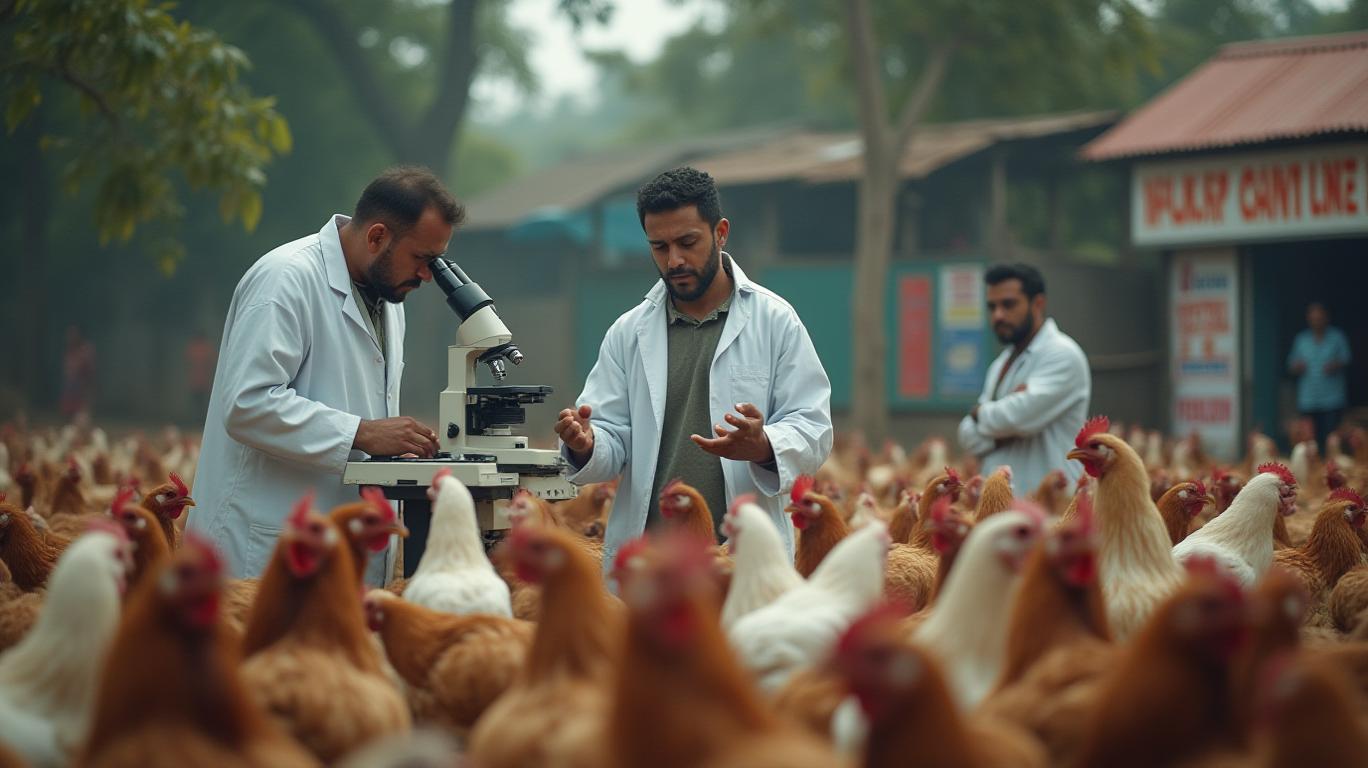
Regulatory bodies and international organizations are taking several steps to address the public health concerns and economic implications of the H5N1 bird flu outbreak. The U.S. Department of Agriculture (USDA) has implemented measures to control the spread of H5N1 in poultry and dairy cattle, including depopulation (culling) of infected flocks and movement restrictions. These measures aim to minimize economic losses in the livestock industry. The USDA has also stated that the domestic milk supply is safe because it is pasteurized, which kills any potential H5N1 virus fragments.
In conclusion, the recent outbreak of H5N1 bird flu in dairy cows has had significant impacts on the global dairy market and supply chain, including public health concerns, profit losses in the dairy sector, potential disruptions in international trade, market risks, and global food security. Regulatory bodies and international organizations are working together to address these concerns and minimize the spread of the virus. As the situation continues to evolve, it is essential to monitor the latest developments and follow the guidance provided by public health authorities and regulatory bodies.
The global dairy market and supply chain have been rocked by the recent outbreak of the highly pathogenic avian influenza (HPAI) H5N1 virus in dairy cows. This strain, which has previously been found in wild birds and poultry, has now been detected in cattle, raising significant public health concerns and economic implications. Experts warn that this outbreak could be more devastating than the COVID-19 pandemic, as the virus has a high mortality rate in poultry and can spread rapidly among livestock.
As of May 10, 2024, cases have been reported in 36 licensed dairy herds across nine states in the United States, affecting approximately 1.4% of the total licensed dairy herds in the country (26,290). This outbreak has led to concerns about public health, profit losses in the dairy sector, and potential disruptions in international trade.
The outbreak has led to profit losses in the dairy sector due to reduced milk production and potential forced exit from the industry. Thin margins for profitability increase the likelihood of these losses, which can have significant impacts on dairy farmers and agribusinesses. Additionally, the outbreak has rattled livestock markets, with concerns about the potential spread of the virus and its impact on dairy production and profitability. This can lead to increased market volatility and uncertainty for dairy producers and consumers alike.
The outbreak has also raised concerns about the potential transmission of the virus from cows to humans. The first human case of H5N1 bird flu infection linked to dairy cows was reported in Texas in April 2024, and additional sporadic human cases have been reported since then. The U.S. Centers for Disease Control and Prevention (CDC) has issued recommendations for preventing exposure to these viruses and monitoring for H5 in people.
The outbreak has also led to concerns about the potential impact on global food security. The dairy industry plays a crucial role in global food security, providing a source of protein and other nutrients for millions of people. A prolonged outbreak of H5N1 in dairy cows could lead to disruptions in the global food supply, impacting food security and nutrition, particularly in developing countries that rely heavily on dairy products for their nutritional needs.
Regulatory bodies and international organizations are taking several steps to address the public health concerns and economic implications of the H5N1 bird flu outbreak. The U.S. Department of Agriculture (USDA) has implemented measures to control the spread of H5N1 in poultry and dairy cattle, including depopulation (culling) of infected flocks and movement restrictions. These measures aim to minimize economic losses in the livestock industry. The USDA has also stated that the domestic milk supply is safe because it is pasteurized, which kills any potential H5N1 virus fragments.
In conclusion, the recent outbreak of H5N1 bird flu in dairy cows has had significant impacts on the global dairy market and supply chain, including public health concerns, profit losses in the dairy sector, potential disruptions in international trade, market risks, and global food security. Regulatory bodies and international organizations are working together to address these concerns and minimize the spread of the virus. As the situation continues to evolve, it is essential to monitor the latest developments and follow the guidance provided by public health authorities and regulatory bodies.

Divulgación editorial y transparencia de la IA: Ainvest News utiliza tecnología avanzada de Modelos de Lenguaje Largo (LLM) para sintetizar y analizar datos de mercado en tiempo real. Para garantizar los más altos estándares de integridad, cada artículo se somete a un riguroso proceso de verificación con participación humana.
Mientras la IA asiste en el procesamiento de datos y la redacción inicial, un miembro editorial profesional de Ainvest revisa, verifica y aprueba de forma independiente todo el contenido para garantizar su precisión y cumplimiento con los estándares editoriales de Ainvest Fintech Inc. Esta supervisión humana está diseñada para mitigar las alucinaciones de la IA y garantizar el contexto financiero.
Advertencia sobre inversiones: Este contenido se proporciona únicamente con fines informativos y no constituye asesoramiento profesional de inversión, legal o financiero. Los mercados conllevan riesgos inherentes. Se recomienda a los usuarios que realicen una investigación independiente o consulten a un asesor financiero certificado antes de tomar cualquier decisión. Ainvest Fintech Inc. se exime de toda responsabilidad por las acciones tomadas con base en esta información. ¿Encontró un error? Reportar un problema


SOBRE NOSOTROS
Nuestra historiaAutores de noticiasBase de conocimientosPolítica de privacidadTérmino de usoDescargo de responsabilidad de corretaje de tercerosTérminos de uso de AIMEDivulgaciones de riesgos de AInvest AICarrerasCONTÁCTENOS
Email: support@ainvest.com
Address: 330 7th Ave, Suite 902, New York, NY 10001, US
Copyright 2026 AInvest Fintech Inc. All rights reserved.


Comentarios
Aún no hay comentarios