
Data Gaps and Policy Disputes Derail Fed's December Rate Cut
The Federal Reserve's prospects for a December rate cut have dimmed significantly, with officials like Lael Brainard signaling that further easing is unlikely amid a lack of critical labor market data and internal divisions over inflation. As of November 20, the probability of a 25-basis-point reduction at the December 10 FOMC meeting had fallen to 32%, down from near certainty in October, according to the CME FedWatch tool. The Bureau of Labor Statistics (BLS) has delayed the October employment report and September's JOLTS data, leaving policymakers without key metrics to assess labor market health. This gap has fueled skepticism about the Fed's ability to justify a cut, with markets pricing in a near-term hold on rates.
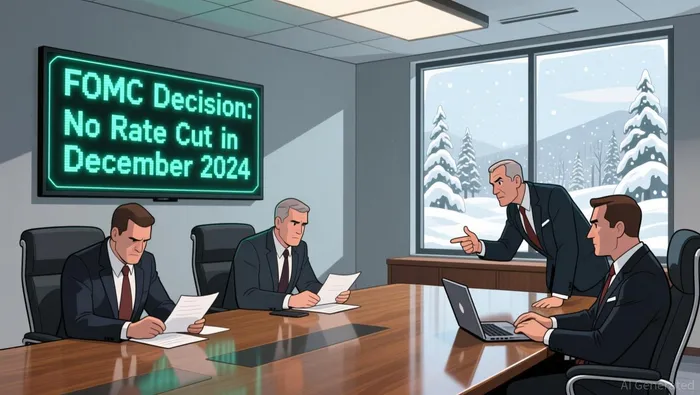
The October FOMC minutes, released November 19, underscored the central bank's fractured stance. While some officials argued for a cut to cushion against rising unemployment and slowing growth, others warned that inflation remains stubbornly above the 2% target, with risks of entrenching higher prices if rates fall too soon. Federal Reserve Governor Christopher Waller, a vocal advocate for easing, cited weakening job creation, declining job postings, and corporate layoffs as justification for a December cut. "Monetary easing is necessary for risk management," he stated, emphasizing that the labor market is "near stall speed."
However, dissenting voices have grown louder. Dallas Fed President Lorie Logan, though non-voting this year, called for patience, warning that two recent rate cuts may not be enough to maintain a restrictive policy stance. "It's too soon to assess the full impact of our actions," she said, cautioning against "unnecessary reversals" that could destabilize financial markets. Similarly, Cleveland Fed President Beth Hammack highlighted that rate cuts risk prolonging inflation and encouraging excessive risk-taking in equities.
Market implications are already materializing. Bond yields have risen as traders recalibrate expectations, while sectors reliant on low borrowing costs-such as real estate and tech-face volatility according to market analysis. The U.S. dollar has strengthened, reflecting higher relative yields compared to peers. Investors are now pivoting to alternative indicators, including November's jobs report and upcoming CPI data, for clues about 2026 policy.
While a December cut appears off the table, the Fed's long-term trajectory remains tilted toward easing. For now, officials are likely to adopt a wait-and-see approach, with Vice Chair Lael Brainard noting that "traders seem to have accepted the prospect of no rate cut in December". The coming months will test the central bank's ability to balance inflation control with labor market support-a challenge that may intensify as political pressures, including President Donald Trump's push for aggressive rate reductions, grow.







Comentarios
Aún no hay comentarios