
Data center energy consumption reaches record 5% of total US power demand, driven by digitalization and AI adoption.
PorAinvest
martes, 12 de agosto de 2025, 1:24 pm ET1 min de lectura
AMZN--
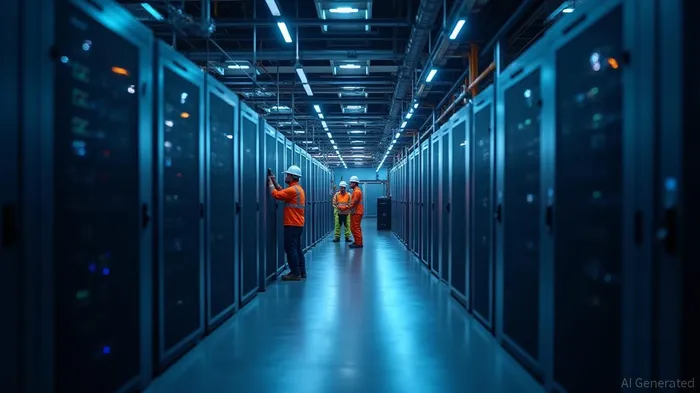
The rapid expansion of data centers, driven by the need for AI and cloud computing services, has led to a substantial increase in electricity consumption. These facilities, crucial for the operations of major tech companies like Microsoft, Google, Amazon, and Meta, are consuming electricity at unprecedented rates. The demand for power is so high that some data centers require more electricity than entire cities [1].
The surge in data center energy consumption is not only affecting the grid but also impacting consumer electricity bills. A recent report by Wood Mackenzie suggests that the specialized rates proposed for data centers in 16 states are insufficient to cover the cost of new power generation [1]. Additionally, research by Monitoring Analytics revealed that 70% of last year's increased electricity cost in the mid-Atlantic grid was attributed to data center demand [1].
In response to these concerns, more than a dozen states have begun taking steps to address the issue. Some of the actions include pressuring grid operators to control price increases, studying the effect of data centers on electricity bills, and pushing data center owners to pay a larger share of local transmission costs [1]. Oregon, for example, has passed legislation ordering state utility regulators to develop new, presumably higher, power rates for data centers [1].
However, implementing effective solutions remains challenging. The debate highlights the need for a delicate balance between supporting technological advancement and ensuring fair cost distribution in the energy sector. As states grapple with these issues, the outcome will likely shape the future of energy policy and the relationship between Big Tech and average consumers [1].
References:
[1] https://theoutpost.ai/news-story/rising-electric-bills-spark-debate-over-data-centers-energy-consumption-and-cost-distribution-18907/
[2] https://www.goldmansachs.com/what-we-do/goldman-sachs-global-institute/articles/smart-demand-management-can-forestall-the-ai-energy-crisis
GS--
META--
MSFT--
Data center energy consumption reaches record 5% of total US power demand, driven by digitalization and AI adoption.
As digitalization and artificial intelligence (AI) adoption accelerate, data centers are increasingly becoming a significant contributor to the US power grid. According to recent reports, data center energy consumption has reached a record 5% of total US power demand, highlighting the growing strain on the energy infrastructure.The rapid expansion of data centers, driven by the need for AI and cloud computing services, has led to a substantial increase in electricity consumption. These facilities, crucial for the operations of major tech companies like Microsoft, Google, Amazon, and Meta, are consuming electricity at unprecedented rates. The demand for power is so high that some data centers require more electricity than entire cities [1].
The surge in data center energy consumption is not only affecting the grid but also impacting consumer electricity bills. A recent report by Wood Mackenzie suggests that the specialized rates proposed for data centers in 16 states are insufficient to cover the cost of new power generation [1]. Additionally, research by Monitoring Analytics revealed that 70% of last year's increased electricity cost in the mid-Atlantic grid was attributed to data center demand [1].
In response to these concerns, more than a dozen states have begun taking steps to address the issue. Some of the actions include pressuring grid operators to control price increases, studying the effect of data centers on electricity bills, and pushing data center owners to pay a larger share of local transmission costs [1]. Oregon, for example, has passed legislation ordering state utility regulators to develop new, presumably higher, power rates for data centers [1].
However, implementing effective solutions remains challenging. The debate highlights the need for a delicate balance between supporting technological advancement and ensuring fair cost distribution in the energy sector. As states grapple with these issues, the outcome will likely shape the future of energy policy and the relationship between Big Tech and average consumers [1].
References:
[1] https://theoutpost.ai/news-story/rising-electric-bills-spark-debate-over-data-centers-energy-consumption-and-cost-distribution-18907/
[2] https://www.goldmansachs.com/what-we-do/goldman-sachs-global-institute/articles/smart-demand-management-can-forestall-the-ai-energy-crisis


Divulgación editorial y transparencia de la IA: Ainvest News utiliza tecnología avanzada de Modelos de Lenguaje Largo (LLM) para sintetizar y analizar datos de mercado en tiempo real. Para garantizar los más altos estándares de integridad, cada artículo se somete a un riguroso proceso de verificación con participación humana.
Mientras la IA asiste en el procesamiento de datos y la redacción inicial, un miembro editorial profesional de Ainvest revisa, verifica y aprueba de forma independiente todo el contenido para garantizar su precisión y cumplimiento con los estándares editoriales de Ainvest Fintech Inc. Esta supervisión humana está diseñada para mitigar las alucinaciones de la IA y garantizar el contexto financiero.
Advertencia sobre inversiones: Este contenido se proporciona únicamente con fines informativos y no constituye asesoramiento profesional de inversión, legal o financiero. Los mercados conllevan riesgos inherentes. Se recomienda a los usuarios que realicen una investigación independiente o consulten a un asesor financiero certificado antes de tomar cualquier decisión. Ainvest Fintech Inc. se exime de toda responsabilidad por las acciones tomadas con base en esta información. ¿Encontró un error? Reportar un problema


SOBRE NOSOTROS
Nuestra historiaAutores de noticiasBase de conocimientosPolítica de privacidadTérmino de usoDescargo de responsabilidad de corretaje de tercerosTérminos de uso de AIMEDivulgaciones de riesgos de AInvest AICarrerasCONTÁCTENOS
Email: support@ainvest.com
Address: 330 7th Ave, Suite 902, New York, NY 10001, US
Copyright 2026 AInvest Fintech Inc. All rights reserved.


Comentarios
Aún no hay comentarios