
Dairy's Green Revolution: The Promise and Challenges of Bovaer
Generado por agente de IAWesley Park
jueves, 28 de noviembre de 2024, 9:29 am ET1 min de lectura
The dairy industry is on the brink of a green revolution, with innovations like Bovaer, a synthetic additive, promising significant reductions in methane emissions from cows. This article explores the potential and challenges of Bovaer's widespread adoption, its impact on the dairy industry, and its implications for investors.
Bovaer, developed by Dutch company DSM, has been found to reduce methane emissions from cows by around 30%. This is a significant step towards net-zero emissions, which is crucial for the dairy industry to meet its environmental sustainability goals. The additive has secured regulatory approval in over 50 markets, including the UK and the EU, paving the way for its broader adoption.
The potential benefits of Bovaer are substantial. By reducing methane emissions, dairy companies can avoid carbon taxes and improve their sustainability image. Moreover, government subsidies or tax incentives for such eco-friendly initiatives could further mitigate the costs. This makes Bovaer a strategic investment for a net-zero future.
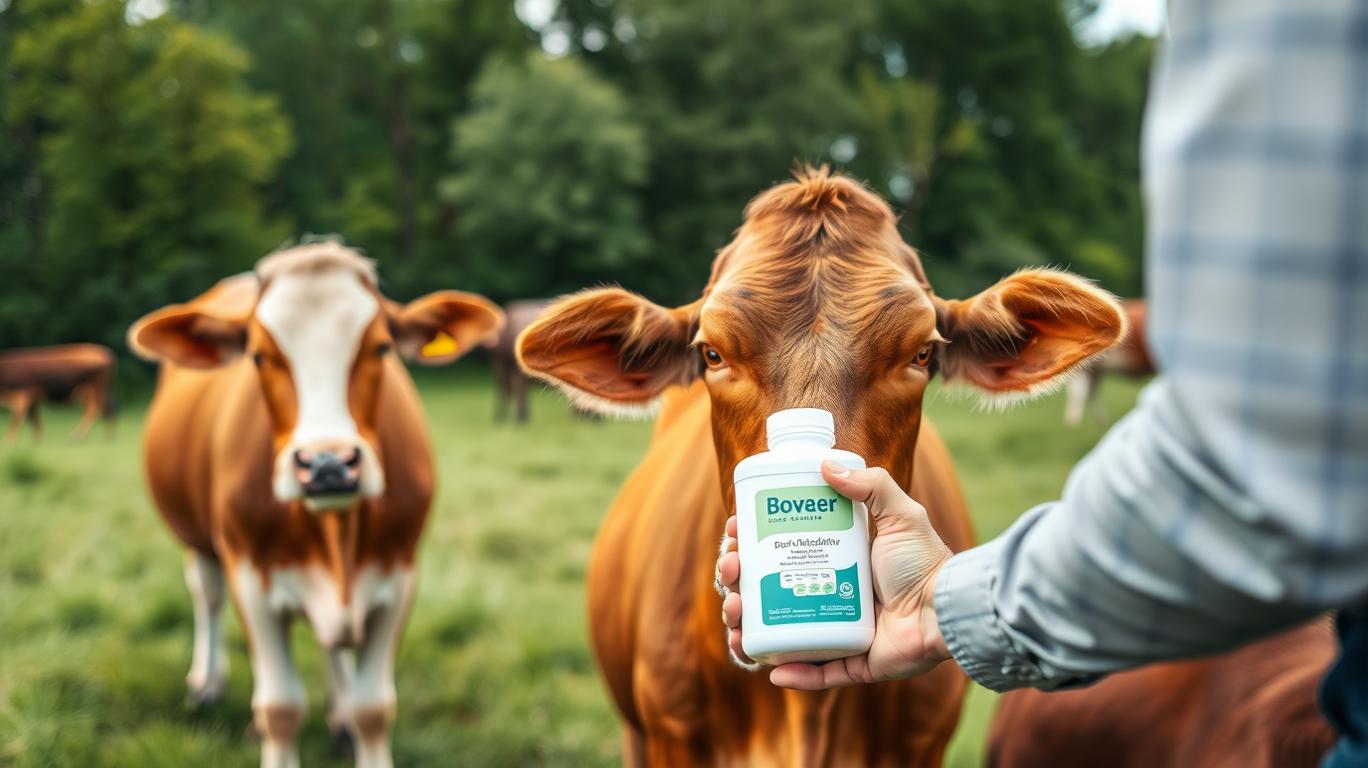
However, scaling up the use of Bovaer across the entire dairy industry presents significant hurdles. The cost of Bovaer could initially impact dairy companies' profit margins, although long-term savings and government support could offset these costs. Moreover, consumer acceptance of additives in their groceries may pose a challenge, as seen in the social media backlash following the announcement of the Bovaer trial.
Dairy companies must effectively communicate the benefits and safety of Bovaer to consumers to address potential concerns and drive acceptance. This can be achieved through transparency, education, storytelling, labeling, partnerships, and addressing misinformation. By following these strategies, dairy companies can help consumers understand the benefits and safety of Bovaer, fostering acceptance and support for net-zero initiatives.
In conclusion, Bovaer presents a promising opportunity for the dairy industry to significantly reduce its methane emissions and contribute to a net-zero future. While the cost and consumer acceptance are hurdles to overcome, the potential benefits for dairy companies and the environment are substantial. As investors, we should monitor the progress of Bovaer's adoption and assess its impact on dairy companies' financial performance. By doing so, we can make informed decisions about investments in the dairy industry and support its transition to a more sustainable future.
Bovaer, developed by Dutch company DSM, has been found to reduce methane emissions from cows by around 30%. This is a significant step towards net-zero emissions, which is crucial for the dairy industry to meet its environmental sustainability goals. The additive has secured regulatory approval in over 50 markets, including the UK and the EU, paving the way for its broader adoption.
The potential benefits of Bovaer are substantial. By reducing methane emissions, dairy companies can avoid carbon taxes and improve their sustainability image. Moreover, government subsidies or tax incentives for such eco-friendly initiatives could further mitigate the costs. This makes Bovaer a strategic investment for a net-zero future.
However, scaling up the use of Bovaer across the entire dairy industry presents significant hurdles. The cost of Bovaer could initially impact dairy companies' profit margins, although long-term savings and government support could offset these costs. Moreover, consumer acceptance of additives in their groceries may pose a challenge, as seen in the social media backlash following the announcement of the Bovaer trial.
Dairy companies must effectively communicate the benefits and safety of Bovaer to consumers to address potential concerns and drive acceptance. This can be achieved through transparency, education, storytelling, labeling, partnerships, and addressing misinformation. By following these strategies, dairy companies can help consumers understand the benefits and safety of Bovaer, fostering acceptance and support for net-zero initiatives.
In conclusion, Bovaer presents a promising opportunity for the dairy industry to significantly reduce its methane emissions and contribute to a net-zero future. While the cost and consumer acceptance are hurdles to overcome, the potential benefits for dairy companies and the environment are substantial. As investors, we should monitor the progress of Bovaer's adoption and assess its impact on dairy companies' financial performance. By doing so, we can make informed decisions about investments in the dairy industry and support its transition to a more sustainable future.



Divulgación editorial y transparencia de la IA: Ainvest News utiliza tecnología avanzada de Modelos de Lenguaje Largo (LLM) para sintetizar y analizar datos de mercado en tiempo real. Para garantizar los más altos estándares de integridad, cada artículo se somete a un riguroso proceso de verificación con participación humana.
Mientras la IA asiste en el procesamiento de datos y la redacción inicial, un miembro editorial profesional de Ainvest revisa, verifica y aprueba de forma independiente todo el contenido para garantizar su precisión y cumplimiento con los estándares editoriales de Ainvest Fintech Inc. Esta supervisión humana está diseñada para mitigar las alucinaciones de la IA y garantizar el contexto financiero.
Advertencia sobre inversiones: Este contenido se proporciona únicamente con fines informativos y no constituye asesoramiento profesional de inversión, legal o financiero. Los mercados conllevan riesgos inherentes. Se recomienda a los usuarios que realicen una investigación independiente o consulten a un asesor financiero certificado antes de tomar cualquier decisión. Ainvest Fintech Inc. se exime de toda responsabilidad por las acciones tomadas con base en esta información. ¿Encontró un error? Reportar un problema


SOBRE NOSOTROS
Nuestra historiaAutores de noticiasBase de conocimientosPolítica de privacidadTérmino de usoDescargo de responsabilidad de corretaje de tercerosTérminos de uso de AIMEDivulgaciones de riesgos de AInvest AICarrerasCONTÁCTENOS
Email: support@ainvest.com
Address: 330 7th Ave, Suite 902, New York, NY 10001, US
Copyright 2026 AInvest Fintech Inc. All rights reserved.


Comentarios
Aún no hay comentarios