
Cybersecurity in Digital Asset Infrastructure: Navigating Risks and Opportunities Amid State-Sponsored Threats
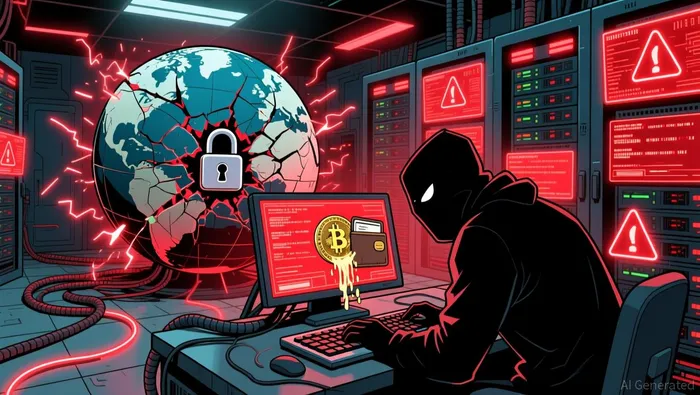
On November 27, 2025, the Lazarus Group executed a $36.9 million heist against Upbit, South Korea's largest cryptocurrency exchange. The attack mirrored the group's 2017 breach, leveraging supply chain compromises and social engineering to siphon Solana-linked assets like SOL, USDC, and BONK into an unidentified wallet. Lazarus's methods-rapid asset laundering and persistent, shift-based operations-highlight the sophistication of state-sponsored actors, who often align their activities with geopolitical objectives.
Market Growth: A Surge in Demand for Cybersecurity Solutions
The urgency of such threats is driving unprecedented growth in cybersecurity for digital asset infrastructure. According to MarketsandMarkets, the global cybersecurity market is projected to expand from $227.59 billion in 2025 to $351.92 billion by 2030, with a compound annual growth rate (CAGR) of 9.1%. Other reports forecast even steeper growth, with the market potentially reaching $562.77 billion by 2032 at a CAGR of 14.4% according to Fortune Business Insights. This surge is fueled by the proliferation of IoT devices, cloud adoption, and AI-driven threats, which demand advanced solutions like predictive analytics and digital twins.
Investment Opportunities: Where to Allocate Capital
The expanding market presents opportunities in several key areas: 1. AI-Powered Threat Detection: Firms specializing in machine learning algorithms for real-time anomaly detection are well-positioned to capitalize on the rise of automated attacks. 2. Supply Chain Security: The Upbit hack underscores the need for tools that monitor third-party vulnerabilities, a niche with growing demand. 3. Smart Grid and IoT Solutions: As critical infrastructure becomes more interconnected, cybersecurity providers offering IoT-specific protections will see strong tailwinds. 4. Regulatory Compliance Tools: Stricter data protection laws, particularly in regions like the EU and APAC, are creating a market for compliance-focused platforms.
Risks and Challenges: Navigating the Hurdles
Despite the optimism, investors must contend with significant challenges. High implementation costs and a shortage of skilled professionals could limit market penetration, particularly for small and medium-sized enterprises. Additionally, the rapid evolution of threats-such as quantum computing's potential to break current encryption standards-requires continuous innovation, which may strain R&D budgets.
The Lazarus Group's tactics also highlight a sobering reality: no system is entirely immune. Even with advanced defenses, attackers may exploit human error or zero-day vulnerabilities. This reality necessitates a diversified investment approach, balancing cutting-edge technology with traditional risk management strategies.
Conclusion: A High-Stakes Landscape
The Upbit hack and broader North Korean cyber campaigns reveal a world where digital asset infrastructure is both a lucrative target and a strategic battleground. For investors, the cybersecurity sector offers a compelling mix of growth potential and societal impact. However, success hinges on a nuanced understanding of the risks-both technical and geopolitical. As the market evolves, those who prioritize adaptability and innovation will be best positioned to thrive in this high-stakes environment.






Comentarios
Aún no hay comentarios