
CVS Health's Profit Surge: Lower Medical Costs Drive Beat
Generado por agente de IAMarcus Lee
miércoles, 12 de febrero de 2025, 6:47 am ET2 min de lectura
CVS--
CVS Health (NYSE: CVS) reported a smaller-than-expected drop in fourth-quarter profit on Wednesday, as the pace of medical cost increases slowed at the healthcare conglomerate and revenues jumped in its pharmacy business. The company's adjusted earnings per share (EPS) of $1.19 topped analysts' estimates of $0.93, while revenue of $97.71 billion also surpassed expectations of $97.19 billion.
CVS Health's turnaround efforts, led by new CEO David Joyner, appear to be paying off. The company has grappled with rising costs in its insurance unit, Aetna, and a retail pharmacy business pressured by softer consumer spending and lower reimbursements for prescription drugs. However, the company's cost-cutting initiatives, including a $2 billion plan over the next several years, seem to be helping CVS Health regain its footing.
CVS Health's insurance business booked $32.96 billion in revenue during the quarter, up more than 23% from the fourth quarter of 2023. However, the business reported an adjusted operating loss of $439 million for the fourth quarter, compared to an adjusted operating income of $676 million in the year-earlier period. The change was driven by higher medical costs and lower Medicare Advantage star ratings for the 2024 payment year.
CVS Health's pharmacy and consumer wellness division booked $33.51 billion in sales for the fourth quarter, up more than 7% from the same period a year earlier. The increase was partly driven by higher prescription volumes and higher prices for generic drugs.
CVS Health's health services segment generated $47.02 billion in revenue for the quarter, down more than 4% compared with the same quarter in 2023. The unit includes Caremark, one of the nation's largest pharmacy benefits managers, which negotiates drug discounts with manufacturers on behalf of insurance plans and creates lists of medications, or formularies, that are covered by insurance and reimburses pharmacies for prescriptions.
CVS Health's full-year 2025 adjusted earnings outlook of $5.75 to $6 per share was in line with Wall Street's expectations. However, the company did not provide a revenue forecast for the year.
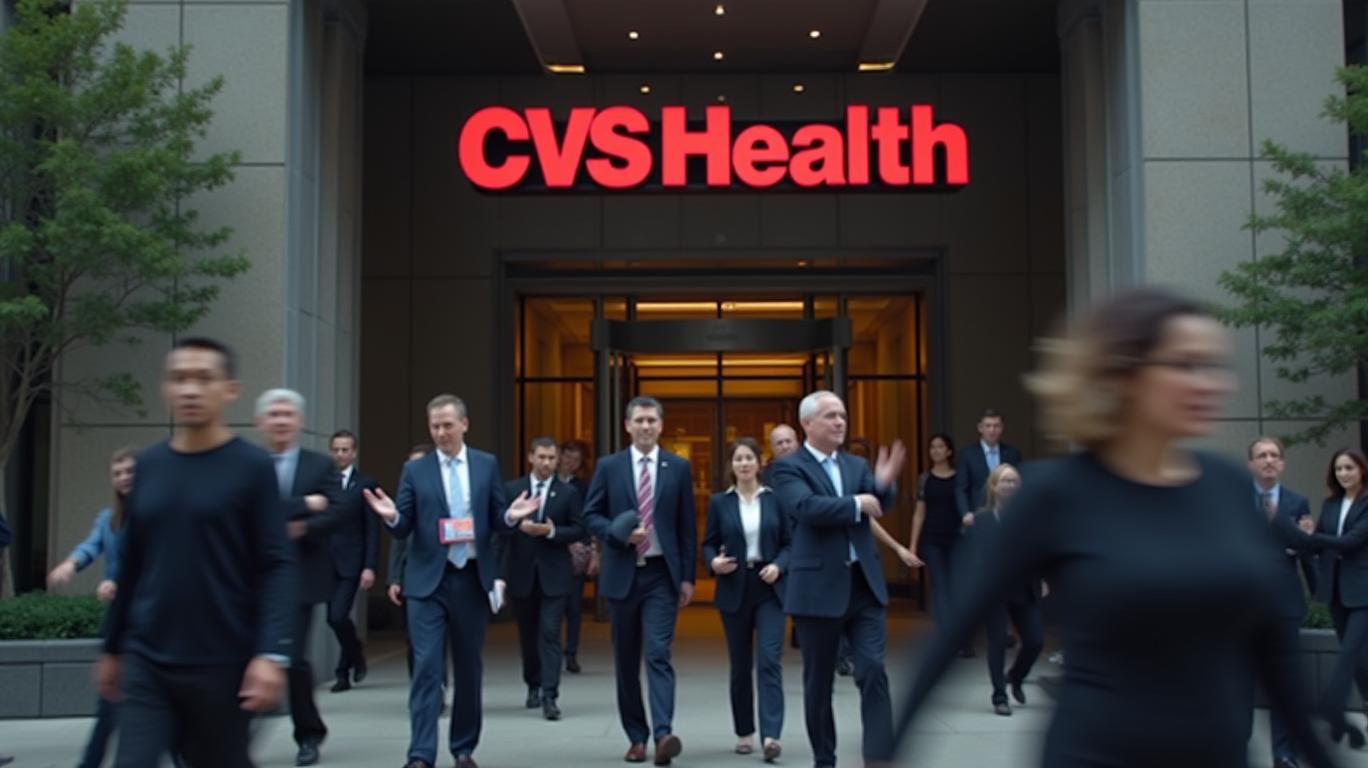
CVS Health's turnaround plan under new CEO David Joyner addresses the challenges faced by the company's insurance unit, Aetna, and retail pharmacy business by focusing on cost-cutting measures and strategic initiatives. The company's cost-cutting plan, announced in November 2024, is expected to generate annual savings of approximately $1 billion by the end of 2025. This plan is part of a broader turnaround effort to improve the company's profitability and stock performance.
CVS Health is also working to improve Aetna's medical loss ratio (MLR), which measures the percentage of premiums spent on medical care. A lower MLR indicates higher profitability. The company is working to reduce medical costs by negotiating better contracts with providers, improving care management, and implementing new technologies.
In addition, CVS Health is investing in its retail pharmacy business to improve customer experience and drive growth. The company is expanding its retail clinic and MinuteClinic services to provide more convenient and affordable care options for customers. CVS Health is also focusing on growing its pharmacy benefit management (PBM) business, which negotiates drug discounts with manufacturers on behalf of insurance plans.
CVS Health's turnaround plan is a crucial component of its long-term financial sustainability and stock performance. By reducing costs, improving operational efficiency, and enhancing its financial performance, CVS Health is positioning itself for long-term success in the competitive healthcare landscape. Investors should closely monitor the company's progress as it works to overcome the challenges faced by its insurance unit and retail pharmacy business.
CVS Health (NYSE: CVS) reported a smaller-than-expected drop in fourth-quarter profit on Wednesday, as the pace of medical cost increases slowed at the healthcare conglomerate and revenues jumped in its pharmacy business. The company's adjusted earnings per share (EPS) of $1.19 topped analysts' estimates of $0.93, while revenue of $97.71 billion also surpassed expectations of $97.19 billion.
CVS Health's turnaround efforts, led by new CEO David Joyner, appear to be paying off. The company has grappled with rising costs in its insurance unit, Aetna, and a retail pharmacy business pressured by softer consumer spending and lower reimbursements for prescription drugs. However, the company's cost-cutting initiatives, including a $2 billion plan over the next several years, seem to be helping CVS Health regain its footing.
CVS Health's insurance business booked $32.96 billion in revenue during the quarter, up more than 23% from the fourth quarter of 2023. However, the business reported an adjusted operating loss of $439 million for the fourth quarter, compared to an adjusted operating income of $676 million in the year-earlier period. The change was driven by higher medical costs and lower Medicare Advantage star ratings for the 2024 payment year.
CVS Health's pharmacy and consumer wellness division booked $33.51 billion in sales for the fourth quarter, up more than 7% from the same period a year earlier. The increase was partly driven by higher prescription volumes and higher prices for generic drugs.
CVS Health's health services segment generated $47.02 billion in revenue for the quarter, down more than 4% compared with the same quarter in 2023. The unit includes Caremark, one of the nation's largest pharmacy benefits managers, which negotiates drug discounts with manufacturers on behalf of insurance plans and creates lists of medications, or formularies, that are covered by insurance and reimburses pharmacies for prescriptions.
CVS Health's full-year 2025 adjusted earnings outlook of $5.75 to $6 per share was in line with Wall Street's expectations. However, the company did not provide a revenue forecast for the year.
CVS Health's turnaround plan under new CEO David Joyner addresses the challenges faced by the company's insurance unit, Aetna, and retail pharmacy business by focusing on cost-cutting measures and strategic initiatives. The company's cost-cutting plan, announced in November 2024, is expected to generate annual savings of approximately $1 billion by the end of 2025. This plan is part of a broader turnaround effort to improve the company's profitability and stock performance.
CVS Health is also working to improve Aetna's medical loss ratio (MLR), which measures the percentage of premiums spent on medical care. A lower MLR indicates higher profitability. The company is working to reduce medical costs by negotiating better contracts with providers, improving care management, and implementing new technologies.
In addition, CVS Health is investing in its retail pharmacy business to improve customer experience and drive growth. The company is expanding its retail clinic and MinuteClinic services to provide more convenient and affordable care options for customers. CVS Health is also focusing on growing its pharmacy benefit management (PBM) business, which negotiates drug discounts with manufacturers on behalf of insurance plans.
CVS Health's turnaround plan is a crucial component of its long-term financial sustainability and stock performance. By reducing costs, improving operational efficiency, and enhancing its financial performance, CVS Health is positioning itself for long-term success in the competitive healthcare landscape. Investors should closely monitor the company's progress as it works to overcome the challenges faced by its insurance unit and retail pharmacy business.

Divulgación editorial y transparencia de la IA: Ainvest News utiliza tecnología avanzada de Modelos de Lenguaje Largo (LLM) para sintetizar y analizar datos de mercado en tiempo real. Para garantizar los más altos estándares de integridad, cada artículo se somete a un riguroso proceso de verificación con participación humana.
Mientras la IA asiste en el procesamiento de datos y la redacción inicial, un miembro editorial profesional de Ainvest revisa, verifica y aprueba de forma independiente todo el contenido para garantizar su precisión y cumplimiento con los estándares editoriales de Ainvest Fintech Inc. Esta supervisión humana está diseñada para mitigar las alucinaciones de la IA y garantizar el contexto financiero.
Advertencia sobre inversiones: Este contenido se proporciona únicamente con fines informativos y no constituye asesoramiento profesional de inversión, legal o financiero. Los mercados conllevan riesgos inherentes. Se recomienda a los usuarios que realicen una investigación independiente o consulten a un asesor financiero certificado antes de tomar cualquier decisión. Ainvest Fintech Inc. se exime de toda responsabilidad por las acciones tomadas con base en esta información. ¿Encontró un error? Reportar un problema


SOBRE NOSOTROS
Nuestra historiaAutores de noticiasBase de conocimientosPolítica de privacidadTérmino de usoDescargo de responsabilidad de corretaje de tercerosTérminos de uso de AIMEDivulgaciones de riesgos de AInvest AICarrerasCONTÁCTENOS
Email: support@ainvest.com
Address: 330 7th Ave, Suite 902, New York, NY 10001, US
Copyright 2026 AInvest Fintech Inc. All rights reserved.


Comentarios
Aún no hay comentarios