
Culinary Innovation Ignites: The Restaurant Industry’s Tech-Driven Turn
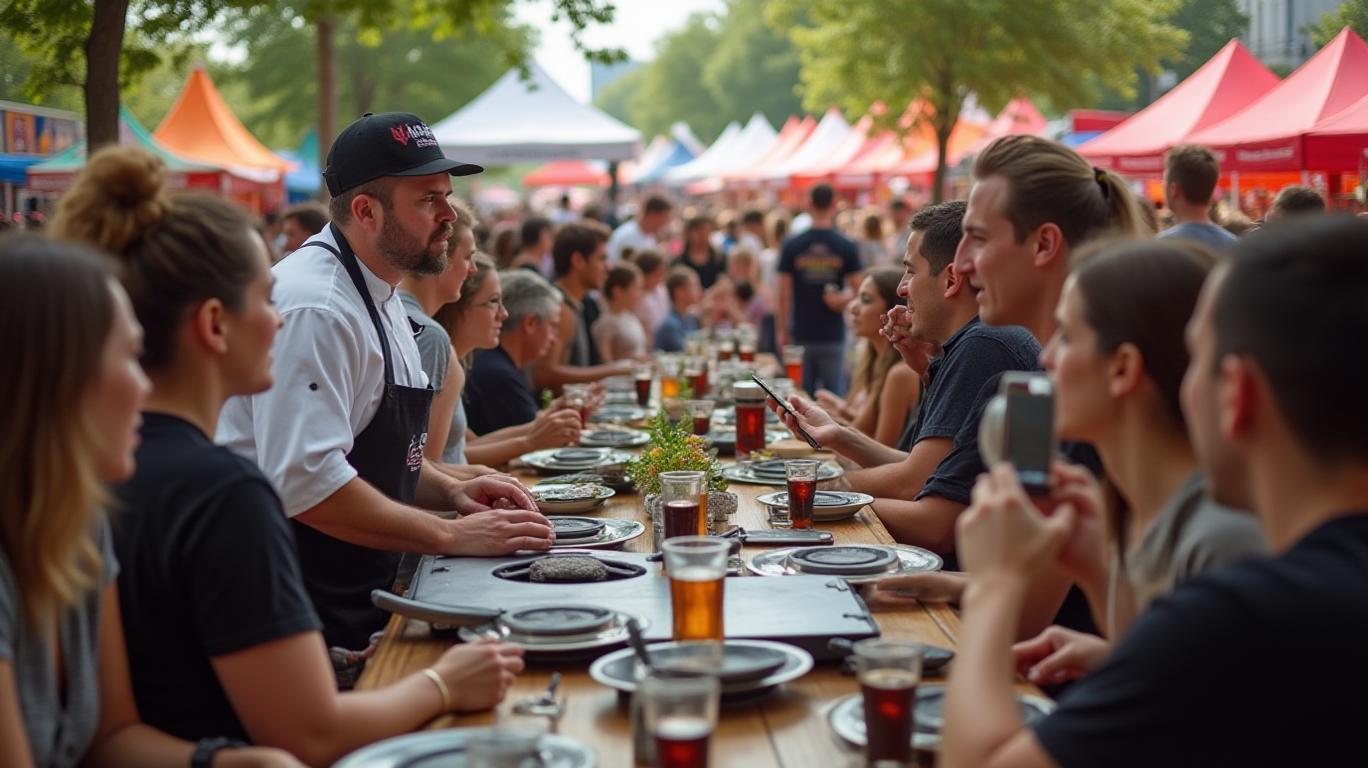
The 2025 Music City Food & Wine Festival, which drew over 80 Nashville restaurants to Centennial Park, wasn’t just a celebration of taste—it was a proving ground for the industry’s next big bets. As chefs staged live competitions and diners sampled avant-garde dishes, a quieter revolution unfolded behind the scenes: AI-powered decision tools, energy-efficient kitchens, and sober bars redefining social spaces. These trends, amplified by major industry conferences like Houston’s Specialty Coffee Conference, signal a pivotal shift in how restaurants balance innovation with profitability.
The Tech Table: AI and Automation Transforming Operations
The festival’s buzz extended beyond its tasting tents. Restaurants are increasingly turning to AI-driven platforms like Rationale to cut through “analysis paralysis,” as one Nashville chef described it. These tools analyze customer preferences, ingredient costs, and labor data to streamline menus and reduce waste. For instance, Rationale helped one operator eliminate a pickled turnip dish after analytics revealed it cost 30% more to prepare than its sales justified.
Meanwhile, induction stoves—now standard in 40% of commercial kitchens—are reshaping back-of-house operations. Brands like LG report 45% annual sales growth since 2021, driven by their ability to boil water twice as fast as gas stoves while reducing energy use by 30–40%. A Nashville chef noted, “We’re saving 50% in peak-hour prep time and cutting burn injuries.”
Sustainability and the Sober Shift: Meeting Consumer Values
The industry’s focus on sustainability isn’t just eco-conscious—it’s economically pragmatic. Over 39% of operators now prioritize locally sourced ingredients and compostable packaging, a move that attracts price-sensitive millennials and Gen Z. The Specialty Coffee Conference highlighted innovations like “imperfect produce” programs, which rescue 15–20% of discarded vegetables for creative dishes.
Equally disruptive is the rise of sober bars, which now command higher margins than traditional venues by avoiding alcohol licensing fees. Nashville’s Dry House reported a 200% increase in weekend bookings since 2023, fueled by craft mocktails and daytime coffee service. As one bar owner explained, “We’re not just serving drinks—we’re creating a social space that doesn’t require buzz.”
The Beverage Boom: Coffee and Craft Beer Lead the Charge
While culinary events like MCFW grab headlines, the Specialty Coffee Conference and Craft Brewers Conference (April 28–May 1) are quietly shaping global trends. Houston’s event drew 16,000 attendees, with 75% of buyers planning purchases exceeding $1 million annually. Meanwhile, craft beer’s growth—exemplified by Scooter’s Coffee’s minimalist kiosk model—is pushing sales up 20% annually by targeting underserved rural markets.
Conclusion: Innovation as the New Staple
The restaurant industry’s future hinges on blending technology, sustainability, and consumer-centric creativity. With sales projected to hit $1.5 trillion by 2025 and job growth hitting 15.9 million workers, early adopters of AI tools and eco-friendly practices are poised to dominate. As Nashville’s chefs and Houston’s coffee roasters demonstrate, the next meal isn’t just about flavor—it’s about reinvention.
For investors, the signal is clear: back companies leveraging induction tech (e.g., LG’s commercial divisions), AI analytics platforms, and sustainable beverage brands. The industry’s next course is set—and it’s served with a side of disruption.







Comentarios
Aún no hay comentarios