
CSL Shares Plummet Amid Government Efforts to Avoid US Tariffs on Pharmaceuticals
PorAinvest
miércoles, 9 de julio de 2025, 10:10 pm ET1 min de lectura
ASX--
The proposed 200% tariff on Australian pharmaceutical exports has thrown the global healthcare supply chain into turmoil. This tariff targets Australia's $2.5 billion annual pharmaceutical exports to the U.S., with CSL bearing the brunt. CSL's plasma-derived products, including treatments for hemophilia and immunodeficiencies, are processed in Australia using U.S.-sourced plasma. These therapies are irreplaceable for many Americans, yet the tariff threatens to disrupt this trans-Pacific supply chain [1].
Shares of CSL (ASX: CSL) have already faced volatility, dropping 12% in early 2025 as tariff rumors spread. While CSL has diversified its markets, the U.S. accounts for roughly 40% of its pharmaceutical revenue, making it uniquely exposed. Smaller firms like Mesoblast (NASDAQ: MBLL), which exports regenerative medicine products, face even greater uncertainty [1].
The tariffs also risk global shortages. Plasma-derived therapies cannot be quickly scaled elsewhere due to long production cycles and regulatory hurdles. U.S. patients may face higher costs or rationing, while Australian firms grapple with retaliatory tariffs and strained diplomatic ties [1].
The U.S.-Australia trade clash underscores a broader truth: globalization's fragility demands portfolios anchored in domestic stability. Investors should rotate capital into Australian healthcare firms shielded by the PBS while hedging against volatility with U.S. alternatives. The clock is ticking—by mid-2026, the sector will have split into winners and losers. Those who act now can secure positions in the healthcare stocks best positioned to endure [1].
References:
[1] https://www.ainvest.com/news/pharmaceutical-tariffs-crossroads-australian-exports-healthcare-investments-2507/
CSL--
MESO--
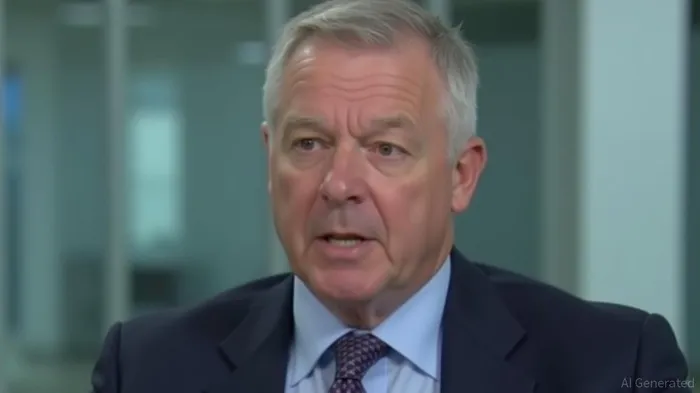
CSL Limited shares have fallen after Chairman Brian McNamee commented on government efforts to avoid US tariffs on pharmaceuticals. McNamee expressed concern about the potential impact of tariffs on the company's operations and the broader industry. CSL Limited is a biotechnology company with a focus on rare and serious diseases, influenza vaccines, and iron deficiency and nephrology. Its segments include CSL Behring, CSL Seqirus, and CSL Vifor.
CSL Limited's shares have experienced a notable decline following Chairman Brian McNamee's comments on the government's efforts to avoid U.S. tariffs on pharmaceuticals. McNamee expressed concern about the potential impact of these tariffs on the company's operations and the broader industry. CSL Limited is a biotechnology company focused on rare and serious diseases, influenza vaccines, and iron deficiency and nephrology. Its segments include CSL Behring, CSL Seqirus, and CSL Vifor.The proposed 200% tariff on Australian pharmaceutical exports has thrown the global healthcare supply chain into turmoil. This tariff targets Australia's $2.5 billion annual pharmaceutical exports to the U.S., with CSL bearing the brunt. CSL's plasma-derived products, including treatments for hemophilia and immunodeficiencies, are processed in Australia using U.S.-sourced plasma. These therapies are irreplaceable for many Americans, yet the tariff threatens to disrupt this trans-Pacific supply chain [1].
Shares of CSL (ASX: CSL) have already faced volatility, dropping 12% in early 2025 as tariff rumors spread. While CSL has diversified its markets, the U.S. accounts for roughly 40% of its pharmaceutical revenue, making it uniquely exposed. Smaller firms like Mesoblast (NASDAQ: MBLL), which exports regenerative medicine products, face even greater uncertainty [1].
The tariffs also risk global shortages. Plasma-derived therapies cannot be quickly scaled elsewhere due to long production cycles and regulatory hurdles. U.S. patients may face higher costs or rationing, while Australian firms grapple with retaliatory tariffs and strained diplomatic ties [1].
The U.S.-Australia trade clash underscores a broader truth: globalization's fragility demands portfolios anchored in domestic stability. Investors should rotate capital into Australian healthcare firms shielded by the PBS while hedging against volatility with U.S. alternatives. The clock is ticking—by mid-2026, the sector will have split into winners and losers. Those who act now can secure positions in the healthcare stocks best positioned to endure [1].
References:
[1] https://www.ainvest.com/news/pharmaceutical-tariffs-crossroads-australian-exports-healthcare-investments-2507/


Divulgación editorial y transparencia de la IA: Ainvest News utiliza tecnología avanzada de Modelos de Lenguaje Largo (LLM) para sintetizar y analizar datos de mercado en tiempo real. Para garantizar los más altos estándares de integridad, cada artículo se somete a un riguroso proceso de verificación con participación humana.
Mientras la IA asiste en el procesamiento de datos y la redacción inicial, un miembro editorial profesional de Ainvest revisa, verifica y aprueba de forma independiente todo el contenido para garantizar su precisión y cumplimiento con los estándares editoriales de Ainvest Fintech Inc. Esta supervisión humana está diseñada para mitigar las alucinaciones de la IA y garantizar el contexto financiero.
Advertencia sobre inversiones: Este contenido se proporciona únicamente con fines informativos y no constituye asesoramiento profesional de inversión, legal o financiero. Los mercados conllevan riesgos inherentes. Se recomienda a los usuarios que realicen una investigación independiente o consulten a un asesor financiero certificado antes de tomar cualquier decisión. Ainvest Fintech Inc. se exime de toda responsabilidad por las acciones tomadas con base en esta información. ¿Encontró un error? Reportar un problema


SOBRE NOSOTROS
Nuestra historiaAutores de noticiasBase de conocimientosPolítica de privacidadTérmino de usoDescargo de responsabilidad de corretaje de tercerosTérminos de uso de AIMEDivulgaciones de riesgos de AInvest AICarrerasCONTÁCTENOS
Email: support@ainvest.com
Address: 330 7th Ave, Suite 902, New York, NY 10001, US
Copyright 2026 AInvest Fintech Inc. All rights reserved.


Comentarios
Aún no hay comentarios