
Cryptocurrency Fear and Greed Index Rises to 28, 'Fear' Sentiment Further Eases
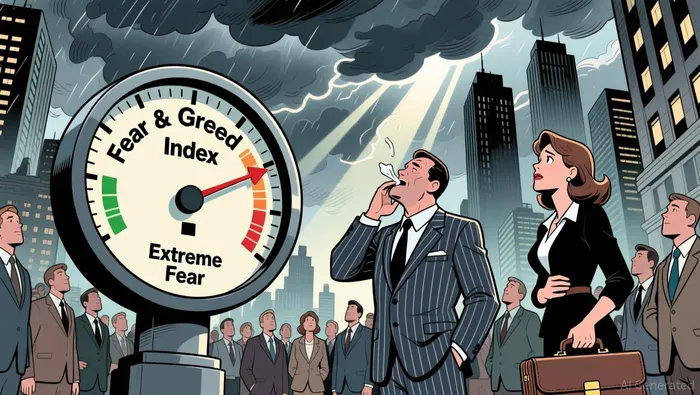
The cryptocurrency Fear & Greed Index rose to 28 on January 2, 2026, marking a further easing of market fear sentiment. This index, which ranges from 0 to 100, is calculated using weighted metrics such as volatility, trading volume, and social media activity. A reading of 28 indicates that the market is still in 'Fear' territory but has improved from the 'Extreme Fear' level seen earlier.
The index's increase was driven by reduced volatility and stable trading volume, which together account for 50% of the index's calculation. Social media hype and market sentiment also contributed to the upward movement, suggesting a cautious but gradually improving investor outlook.
Bitcoin's dominance in the market has remained relatively stable, contributing to the index's calculation. Institutional investors continue to favor Bitcoin over altcoins, with Bitcoin's dominance hovering around 60%.
Why Did This Happen?
The rise in the Fear & Greed Index reflects broader shifts in the cryptocurrency market. After a volatile 2025, characterized by regulatory uncertainty, and macroeconomic pressures, market participants appear to be reassessing their positions. The index's increase also coincides with a decline in exchange trading volumes, which hit a 15-month low in December 2025.
Reduced volatility and lower trading activity are often associated with a period of consolidation. Investors may be taking a more cautious approach as they await further regulatory clarity in key markets such as the U.S. and South Korea.
How Did Markets Respond?
Despite the improving index, the overall crypto market remains range-bound. BitcoinBTC--, for example, is trading near the $87K–$89K range, with muted volatility and a neutral-to-bearish short-term bias. Altcoins have also struggled to gain traction, with many underperforming Bitcoin due to regulatory and macroeconomic headwinds.
The shift in investor behavior is also evident in the use of crypto wallets. Data from Bitget Wallet shows a growing trend in onchain activity for payments and earning products rather than pure trading. This suggests that real-world adoption is gaining momentum even as speculative trading activity declines.
What Are Analysts Watching Next?
Analysts are closely monitoring whether the current trend of easing fear will lead to a broader market recovery. While the Fear & Greed Index has improved, many investors remain cautious about the long-term prospects for crypto in 2026. The performance of Bitcoin and EthereumETH-- will be particularly important, as they continue to be bellwethers for the overall market.
Regulatory developments are also expected to play a key role in shaping investor sentiment. The introduction of the Digital Asset Market Clarity Act in the U.S. and the ongoing discussions in South Korea about crypto regulations will likely influence how investors position themselves in the coming months.
In the short term, the market is likely to remain in a state of consolidation as investors await clearer signals from regulators and macroeconomic developments. Until then, the Fear & Greed Index is expected to remain in the lower range, reflecting continued uncertainty and risk aversion.







Comentarios
Aún no hay comentarios