
U.S. Crypto Regulatory Clarity: Selig's CFTC Nomination and Its Market Implications
Selig's Background and the Path to Coordination
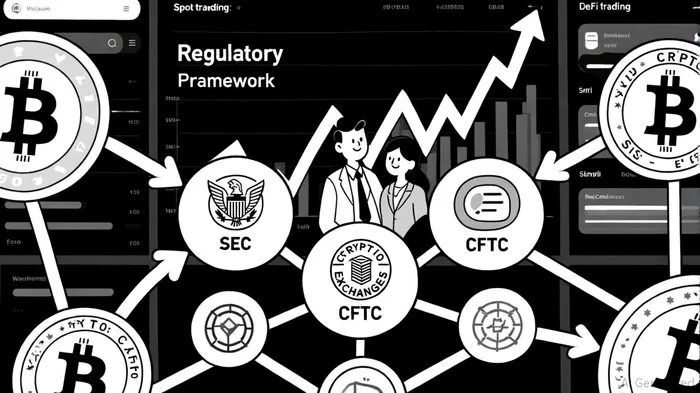
Selig's career spans critical roles at the SEC's Crypto Task Force and the CFTC, where he worked under former Chair Chris Giancarlo. His dual experience positions him to harmonize oversight between the two agencies, a priority for the Trump administration. As noted by White House AI and Crypto Czar David Sacks, Selig is "deeply knowledgeable about financial markets and passionate about modernizing our regulatory approach." This background is crucial, as the CFTC and SEC have historically clashed over jurisdiction, creating uncertainty for market participants. Selig's appointment follows the withdrawal of a previous nominee, Brian Quintenz, who faced industry opposition, underscoring the administration's intent to align with crypto-friendly stakeholders, as reported by CCN.
The CFTC's recent staff-level statements affirming the legality of spot crypto commodity trading on registered venues, according to Coinotag, suggest Selig will prioritize clarity over enforcement. This approach could accelerate the development of DeFi frameworks, stablecoin regulations, and tokenized asset standards while maintaining investor protections.
Market Implications: Clarity as a Catalyst
Regulatory clarity is a linchpin for institutional adoption. Selig's leadership is expected to reduce compliance burdens for exchanges and startups, potentially attracting capital from traditional financial players. For example, Coinbase and Kraken have already begun prioritizing projects with robust compliance frameworks, signaling anticipation of stricter but clearer rules, according to Cryptonewsland.
The CFTC's expanded role in spot markets-particularly for assets like BitcoinBTC-- and Ethereum-could also reshape trading dynamics. As Jake Chervinsky, chief legal officer at Variant Fund, notes in Coinotag analysis, "There's nothing more important for crypto policy than the White House nominating a new CFTC chair and nobody better than Mike Selig for the job." This clarity may lead to increased liquidity and reduced volatility, as seen in traditional markets, by standardizing listing requirements and surveillance protocols, as CCN reports.
Investor Preparedness: Strategies for a New Era
Investors must adapt to this regulatory evolution by prioritizing compliance and engagement. Key strategies include:
1. Active Participation in Regulatory Consultations: Selig's emphasis on formal rulemaking means investors should monitor CFTC and SEC consultations to influence outcomes, as CCN notes.
2. Operational Adjustments: Firms should align with emerging standards for custody, trading, and token classification to avoid compliance risks, as Coinotag reported.
3. Diversification with Liquidity Focus: As the CFTC tightens listing requirements, portfolios should emphasize assets with strong collateral and liquidity, such as stablecoins or real-world asset tokens, per CCN analysis.
Amanda Tuminelli of the DeFi Education Fund highlights Selig's balanced approach: "He understands the tech and the need to allow room for innovation, but also cares about getting to the right legal answer." This duality suggests a regulatory environment that rewards innovation without sacrificing stability.
The Road Ahead
Selig's confirmation by the Senate will determine the pace of reform. If confirmed, he will work alongside Patrick Witt of the President's Working Group on Digital Assets to eliminate overlapping mandates, as Coinotag previously reported. This collaboration could position the U.S. as a global crypto hub, attracting institutional investment and spurring innovation in tokenized assets and decentralized finance.
For now, investors should balance optimism with caution. While Selig's pro-crypto stance is clear, the path to a unified regulatory framework will require navigating political and technical complexities. Those who align with this vision-by prioritizing compliance, engaging with regulators, and diversifying portfolios-will be best positioned to capitalize on the opportunities ahead.






Comentarios
Aún no hay comentarios