
Crypto Projects Face Regulatory Hurdles, Lawmakers Push for Reform
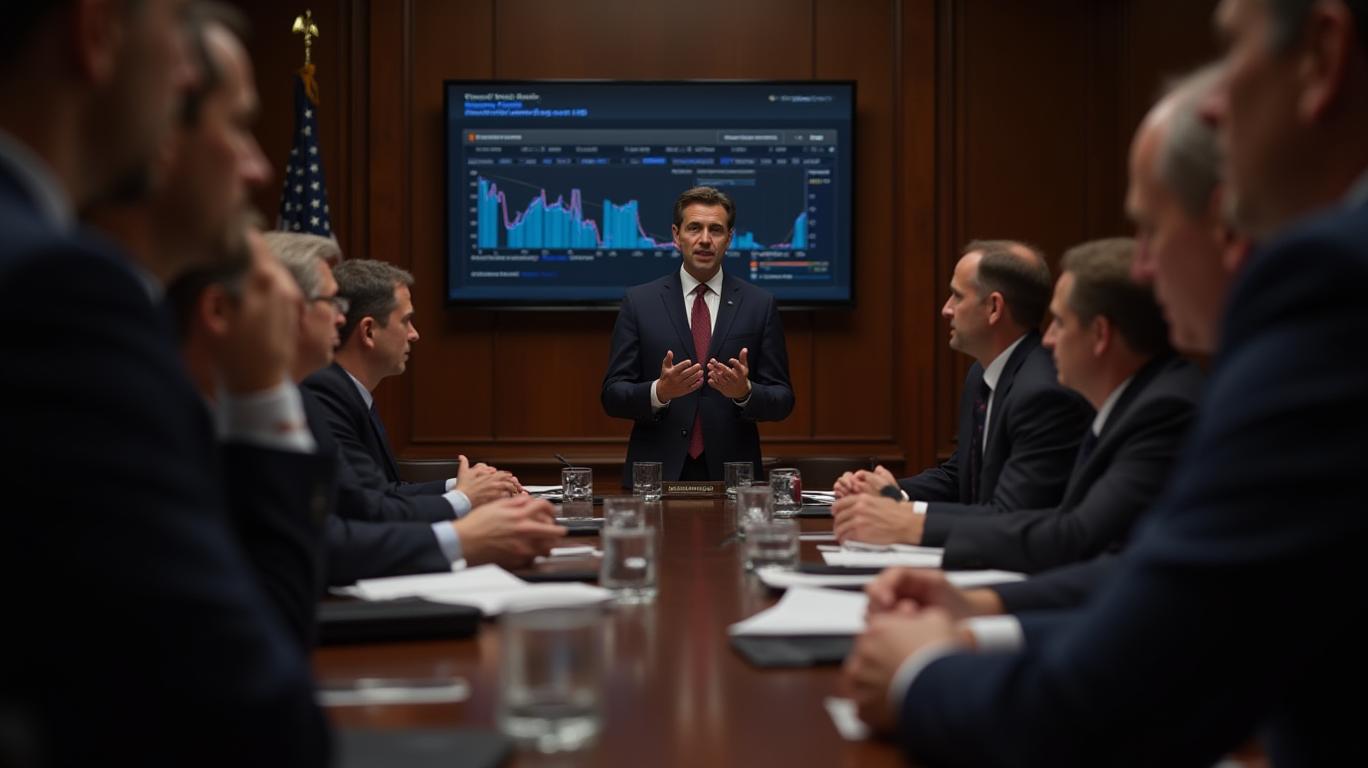
During a House Committee hearing on April 9, titled "American Innovation and the Future of Digital Assets Aligning the U.S. Securities Laws for the Digital Age," experts discussed the challenges faced by crypto projects in complying with U.S. securities laws. Rodrigo Seira, special counsel to Cooley LLP, highlighted that the current regulatory framework is not flexible enough to accommodate digital assets, leading to a situation where no crypto project has successfully registered with the Securities and Exchange Commission (SEC) and thrived.
Seira emphasized that while crypto promoters should be subject to federal securities laws, the current regulatory requirements are too burdensome. Projects that attempt to comply with these requirements often expend significant resources and effort, only to fail or survive in a state of regulatory uncertainty. He noted that registering a token in the same manner as a stock triggers an obligation to operate as a publicly reporting company, which is a complex and ongoing process.
The hearing featured several experts, including WilmerHale partner Tiffany J. Smith, Polygon chief legal officer Jake Werrett, and Alexandra Thorn, a senior director at the Center for American Progress. Representative Bryan Steil, who heads the Subcommittee on Digital Assets, Financial Technology, and Artificial Intelligence, acknowledged the regulatory roadblocks and expressed optimism about the current administration's efforts to pass sensible legislation.
Steil mentioned that lawmakers are working to right the ship by advancing legislation such as the STABLE Act, which aims to regulate payment stablecoins tied to the US dollar and other fiat currencies. Additionally, the Senate Banking Committee advanced the GENIUS Act, which seeks to regulate stablecoin issuers by establishing reserve requirements and requiring full compliance with Anti-Money Laundering laws. The next step, according to Steil, is to advance comprehensive digital asset market structureGPCR-- legislation, which aims to establish a clear regulatory framework for digital assets, including their legal categories and the enforcement jurisdiction of agencies such as the SEC and Commodity Futures Trading Commission.
Representative Ro Khanna expressed confidence that a market structure bill will be passed this year, indicating a growing recognition of the need for clear regulatory guidelines in the digital asset space. The hearing underscored the challenges faced by crypto projects in navigating the current regulatory landscape and the urgent need for legislative action to create a more flexible and supportive framework for digital assets.







Comentarios
Aún no hay comentarios