
U.S. Crypto Openness: A Risky Bet for TradFi?
Generado por agente de IAWesley Park
martes, 1 de abril de 2025, 1:59 pm ET2 min de lectura
Ladies and Gentlemen, buckle up! We're diving headfirst into the wild world of crypto and traditional finance, where the U.S. is playing with fire by embracing digital assets with open arms. European regulators are sounding the alarm, and you better listen up!
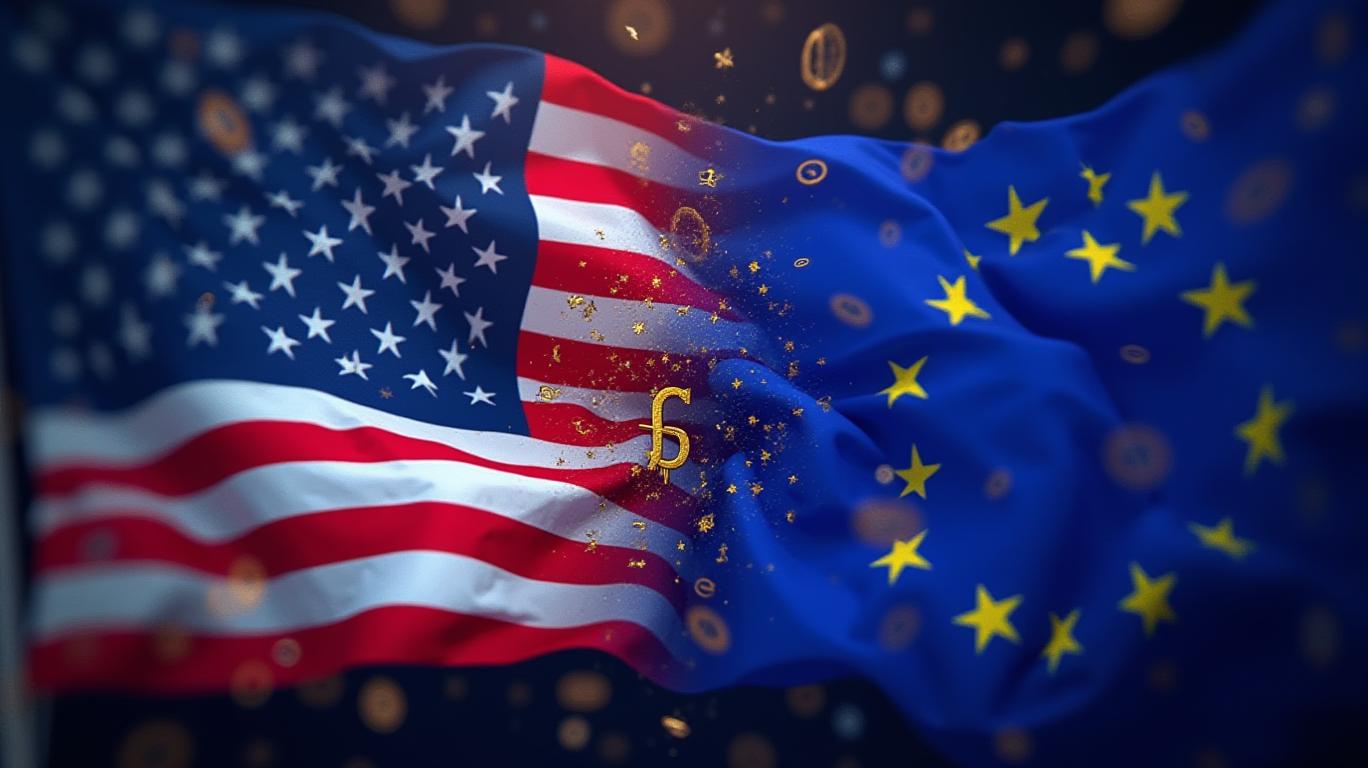
The U.S. is going all-in on crypto, and it's causing some serious waves in the traditional finance (TradFi) world. According to a joint report by the EU's top regulatory bodies, including ESMAESSA--, the U.S.'s crypto-friendly policies are deepening the connection between crypto and TradFi. This could lead to increased volatility and systemic risk, and that's a recipe for disaster!
The report, released on April 1, 2025, warns that the U.S. deregulatory policy expectations are likely to raise the volatility of crypto valuations. If there are no corresponding safeguards, it could trigger negative spillover effects on traditional finance. ECB officials are calling for the development of a digital euro to address the high volatility of crypto assets and the global expansion of dollar-dominated stablecoins. This would provide a more stable digital currency option that could help mitigate the risks associated with the volatility of crypto assets.
The EU's MiCAR regulation, which extends bank-like rules to stablecoins and cryptocurrencies, could serve as a model for implementing safeguards. MiCAR applies to the issuance, marketing, and trading of crypto assets and related services, requiring companies to comply with bank-like regulatory requirements, including having adequate internal risk management and minimum capital requirements. This could help ensure that crypto assets are managed in a way that minimizes their potential impact on traditional financial markets.
The increasing interconnectedness between crypto assets and traditional financial markets, driven by the U.S. crypto-friendly stance, could impact systemic risk and financial stability in several ways:
1. Increased Volatility: The U.S. deregulatory policy expectations are likely to raise the volatility of crypto valuations. This increased volatility could lead to sudden and significant price movements in crypto assets, which could then spill over into traditional financial markets, causing instability.
2. Systemic Risk: The deepening correlation between crypto assets and traditional financial markets could increase systemic risk. This means that a shock to the crypto market could have broader implications for the traditional financial system, potentially leading to a financial crisis.
3. Negative Spillover Effects: Without corresponding safeguards, the increased interconnectedness could trigger negative spillover effects on traditional finance. This could manifest as contagion, where the failure of one institution or market segment leads to the failure of others, ultimately threatening the stability of the entire financial system.
4. Institutional Adoption: The U.S. crypto-friendly stance could accelerate crypto adoption, including by institutional investors. This increased adoption could further deepen the interconnectedness between crypto assets and traditional financial markets, amplifying the potential for systemic risk and financial instability.
The U.S. is playing a dangerous game, and it's time for regulators to step in and implement some serious safeguards. The EU's MiCAR regulation is a great start, but the U.S. needs to follow suit and ensure that crypto assets are managed responsibly. Otherwise, we could be looking at a financial crisis that makes the 2008 meltdown look like a walk in the park!
So, what's the bottom line? The U.S. needs to wake up and smell the coffee. Crypto is here to stay, but it's not a free-for-all. Regulators need to step in and implement safeguards to protect traditional finance from the volatility and systemic risk that comes with crypto. Otherwise, we could be in for a world of hurt!
Stay tuned, folks, because this is just the beginning of the crypto revolution. And remember, the market hates uncertainty, so let's hope the U.S. gets its act together before it's too late!



Divulgación editorial y transparencia de la IA: Ainvest News utiliza tecnología avanzada de Modelos de Lenguaje Largo (LLM) para sintetizar y analizar datos de mercado en tiempo real. Para garantizar los más altos estándares de integridad, cada artículo se somete a un riguroso proceso de verificación con participación humana.
Mientras la IA asiste en el procesamiento de datos y la redacción inicial, un miembro editorial profesional de Ainvest revisa, verifica y aprueba de forma independiente todo el contenido para garantizar su precisión y cumplimiento con los estándares editoriales de Ainvest Fintech Inc. Esta supervisión humana está diseñada para mitigar las alucinaciones de la IA y garantizar el contexto financiero.
Advertencia sobre inversiones: Este contenido se proporciona únicamente con fines informativos y no constituye asesoramiento profesional de inversión, legal o financiero. Los mercados conllevan riesgos inherentes. Se recomienda a los usuarios que realicen una investigación independiente o consulten a un asesor financiero certificado antes de tomar cualquier decisión. Ainvest Fintech Inc. se exime de toda responsabilidad por las acciones tomadas con base en esta información. ¿Encontró un error? Reportar un problema




Comentarios
Aún no hay comentarios