
Crypto as a Macro Hedge: Why Investors Are Reallocating Amid Global Inflationary Pressures
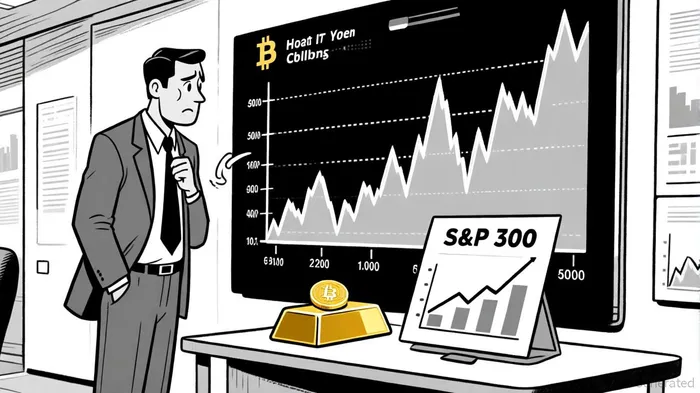
In 2025, global inflation remains a pressing concern, with the IMF projecting a decline to 4.2% this year and 3.5% in 2026, though emerging markets face prolonged pressures. Against this backdrop, investors are reevaluating traditional asset allocations, with cryptocurrencies emerging as a contentious yet increasingly strategic hedge. While gold retains its historical dominance, crypto's institutional adoption and speculative appeal are reshaping the macroeconomic landscape.
The Mixed Case for Crypto as an Inflation Hedge
Bitcoin's performance as a macro hedge has been inconsistent. During the 2020–2021 inflation surge, its price rose in tandem with inflation expectations, fueling comparisons to “digital gold”. However, this correlation collapsed in 2022, when BitcoinBTC-- plummeted 65% amid tightening monetary policy, mirroring equities' risk-off behavior. By 2025, gold outperformed Bitcoin, rising 29% year-to-date versus Bitcoin's 4% gain. This divergence underscores crypto's volatility and sensitivity to macroeconomic narratives, such as interest rate expectations and regulatory shifts.
Yet crypto's structural advantages—fixed supply, programmability, and institutional infrastructure—suggest long-term potential. For instance, BlackRock's Bitcoin ETF attracted record inflows in 2025, signaling growing acceptance as a yield-generating asset. Meanwhile, stablecoins like USDCUSDC-- are being embedded into corporate treasuries, offering liquidity and programmable settlement capabilities. These innovations position crypto as a complementary, rather than direct, hedge against inflation.
Gold's Enduring Dominance
Gold's role as a safe haven remains unchallenged. In 2025, its 30% year-to-date gain outperformed both equities and crypto, reflecting its low volatility (15–20% annualized) and historical resilience during inflationary shocks. Central banks, particularly in emerging markets, have increased gold reserves amid geopolitical tensions and currency devaluation risks. For conservative investors, gold's tangibility and lack of correlation with equities make it a reliable store of value.
Bitcoin, by contrast, behaves more like a high-beta asset. Its 50%+ annual volatility and susceptibility to liquidity shocks limit its effectiveness for risk-averse portfolios. However, in scenarios of bond market stress—such as Treasury yield volatility in 2025—Bitcoin has shown relative resilience, hinting at a niche role as a counterweight to traditional fixed income.
Strategic Reallocation: Crypto's Institutional Push
Institutional adoption of crypto has surged, with 83% of surveyed investors planning to increase allocations in 2025. Regulatory clarity, including the SEC's approval of spot Bitcoin ETFs, has legitimized crypto as a strategic asset class. By Q1 2025, physical Bitcoin ETPs surpassed $100 billion in AUM, driven by hedge funds and pension funds seeking diversification.
This reallocation is not speculative but structural. For example, MicroStrategy's $4 billion Bitcoin holdings and BlackRock's tokenized equity offerings reflect a broader shift toward programmable, liquid assets. Stablecoins, in particular, are replacing legacy banking tools in cross-border payments and treasury operations.
Equities and the Inflation Paradox
Equities have defied traditional inflation narratives in 2025. Sectors like energy and materials have outperformed, while the S&P 500 delivered 12% returns despite elevated inflation. This resilience is attributed to technological advancements, active management strategies, and defensive positioning in quality stocks. However, equities remain correlated with interest rates, making them less effective as standalone hedges.
The Path Forward: Balancing Risk and Reward
Investors must weigh crypto's speculative potential against gold's stability and equities' growth. A diversified approach—allocating 1–2% to crypto, 5–10% to gold, and 60–70% to equities—offers a balanced hedge against macroeconomic turbulence. As institutional infrastructure matures, crypto's role may evolve from speculative bet to a strategic, albeit volatile, component of inflation-protected portfolios.







Comentarios
Aún no hay comentarios