
Crypto Legislation Stalls as Democrats Raise Conflict of Interest Concerns Over Trump Family Ventures
In a significant development, the crypto industry's legislative progress has hit a snag due to concerns over potential conflicts of interest involving Trump's family and their crypto ventures. The year 2025 was anticipated to be a pivotal year for crypto legislation, with bipartisan support and a favorable White House expected to drive new laws through Congress before the midterm elections. However, recent events have cast a shadow over these plans.
Nine Democrats have withdrawn their support for the current version of the stablecoin-focused GENIUS Act, citing the need for stronger provisions around anti-money laundering and national security. Additionally, there are growing concerns about the Trump family's crypto business endeavors, which have been active since mid-January. World Liberty FinancialLBTYB--, the Trump family's crypto venture, has been exploring stablecoin plans and recruiting investors, raising eyebrows among lawmakers.
Many Democrats, including Financial Services Ranking Member Maxine WatersWAT--, have expressed deep concern over what they perceive as a clear conflict of interest. Waters objected to a planned joint House hearing on crypto, citing the potential for policy to directly benefit Trump's business initiatives. In a statement, Waters criticized Republicans for ignoring Trump's alleged corruption and legitimizing his family's efforts to profit from crypto ventures at the expense of average Americans.
The joint hearing, which was intended to discuss a newly released crypto market structure bill, was halted due to Waters' objection. Unanimous approval is required for joint hearings, and Waters' dissent was enough to stop the official proceedings. Digital Assets Subcommittee Chair Bryan Steil then called for a roundtable discussion, allowing witnesses to provide testimony and answer lawmakers' questions. Waters left the room and invited colleagues to a separate meeting to discuss Trump's crypto dealings.
Financial Services Committee Chairman French Hill countered Waters' objections, emphasizing that the market structure draft and the STABLE Act aim to bring crypto out of regulatory purgatory. These bills seek to address gaps in oversight that even President Biden has acknowledged. Until recently, they had significant bipartisan support. However, it is now clear that these legislative efforts will face roadblocks from Democrats.
Crypto lobbying groups and Hill insiders have been aware for weeks that these legislative efforts would encounter obstacles. Proposals have been made to combine the market structure and stablecoin bills into a single piece of legislation, but this approach could create more points of contention. The new market structure discussion draft in the House is similar to previous bills, seeking to clarify the roles of the SEC and CFTC, outline the process for listing tokens, and establish consumer protections and disclosure requirements. Notably, the new draft does not include the term "decentralized system," addressing a key criticism of previous legislation.
The industry is now invited to submit comments on the bill, indicating that a floor vote is still several steps away. This development underscores the complex and evolving landscape of crypto regulation, where political dynamics and potential conflicts of interest play a significant role in shaping legislative outcomes. 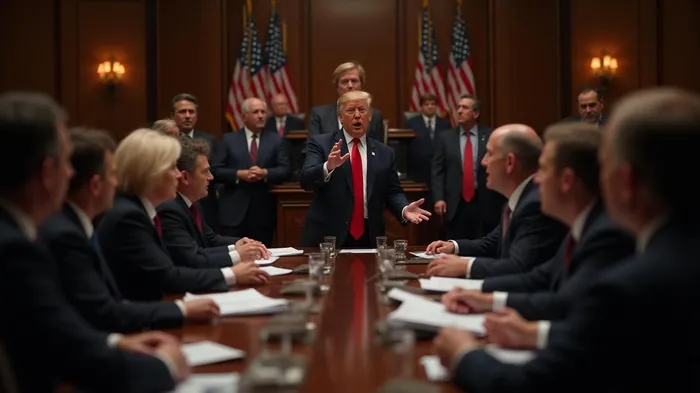







Comentarios
Aún no hay comentarios