
Crypto Debit Card Risks and Rewards: Analyzing Bybit's Partnership with Thredd Amid User Complaints
Operational Transparency and Compliance: A Double-Edged Sword
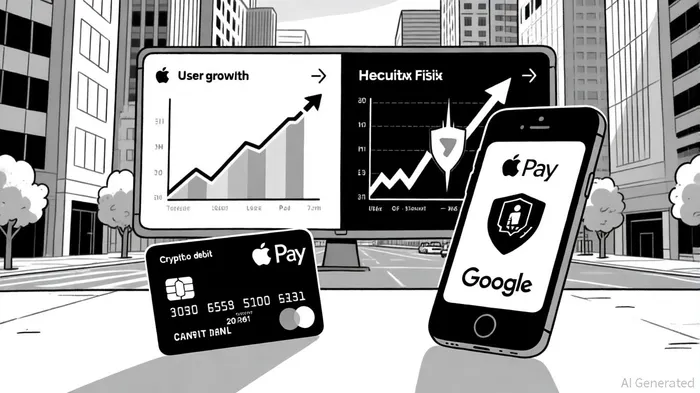
Bybit's expansion with Thredd underscores a strategic focus on navigating fragmented global regulations. Thredd's platform enables localized (Bank Identification Number) issuance and real-time card control, allowing Bybit to tailor programs to regional compliance standards while maintaining centralized oversight, according to a release. This approach has facilitated the Bybit Card's integration with major digital wallets like Apple Pay and Google Pay, enhancing user accessibility.
However, operational transparency remains a challenge. While Thredd's infrastructure supports rapid market entry, the lack of granular user complaints or detailed audits post-2023 raises questions about accountability. For instance, , according to Chainalysis' mid‑year update. Though the breach was unrelated to the Thredd partnership, it highlights the risks of over-reliance on third-party integrations.
Reward Structures and User Retention: Incentives vs. Realities
Bybit's reward ecosystem includes bonuses, fee discounts, and airdrops, designed to incentivize card usage and platform engagement, outlined in Bybit's bonus terms. These rewards, however, come with caveats: they are non-withdrawable, have expiration dates, and require identity verification to claim. Such terms may deter casual users or those seeking frictionless crypto adoption.
, according to an AFP report, , per a snapshot. Yet, user retention metrics remain opaque. While the platform's MiCA (Markets in Crypto-Assets) licensing bolsters institutional credibility, the absence of survey-based trust metrics or direct user feedback limits assessments of long-term loyalty.
Institutional Credibility: Compliance as a Competitive Edge
Thredd's role in enabling Bybit to meet regional compliance standards has been pivotal. The partnership's emphasis on localized BIN issuance and real-time card control aligns with institutional demands for regulatory clarity, according to a Financial Content article. This has allowed Bybit to expand into markets like Europe, , , according to CoinLaw's snapshot.
Yet, institutional trust is fragile. The 2025 hack not only eroded user confidence but also prompted regulators to scrutinize crypto platforms' security protocols, as Chainalysis noted. For Bybit, the challenge lies in proving that its compliance-first model can coexist with robust cybersecurity measures-a balance that remains untested in the wake of such a high-profile breach.
The Path Forward: Balancing Innovation and Accountability
The Bybit-Thredd partnership demonstrates the potential of crypto-linked payment infrastructure to bridge digital and fiat economies. However, its long-term success depends on addressing three critical gaps:
1. Transparency in Security Practices: Post-2025, Bybit must disclose how it mitigates risks from third-party integrations and state-sponsored attacks.
2. User-Centric Reward Design: Simplifying reward terms and extending expiration periods could enhance user retention.
3. Proactive Trust-Building: Publishing user satisfaction surveys or third-party audits would reinforce institutional credibility.
While the partnership's operational and compliance frameworks are robust, the absence of concrete user trust metrics and the shadow of the 2025 hack underscore the sector's inherent volatility. For investors, the Bybit-Thredd model represents both a calculated bet on crypto's mainstream adoption and a cautionary tale about the fragility of digital finance ecosystems.







Comentarios
Aún no hay comentarios