
Crypto's Charms Leave Some Investors in Davos Cold
Generado por agente de IAHarrison Brooks
jueves, 23 de enero de 2025, 4:01 pm ET2 min de lectura
BTC--
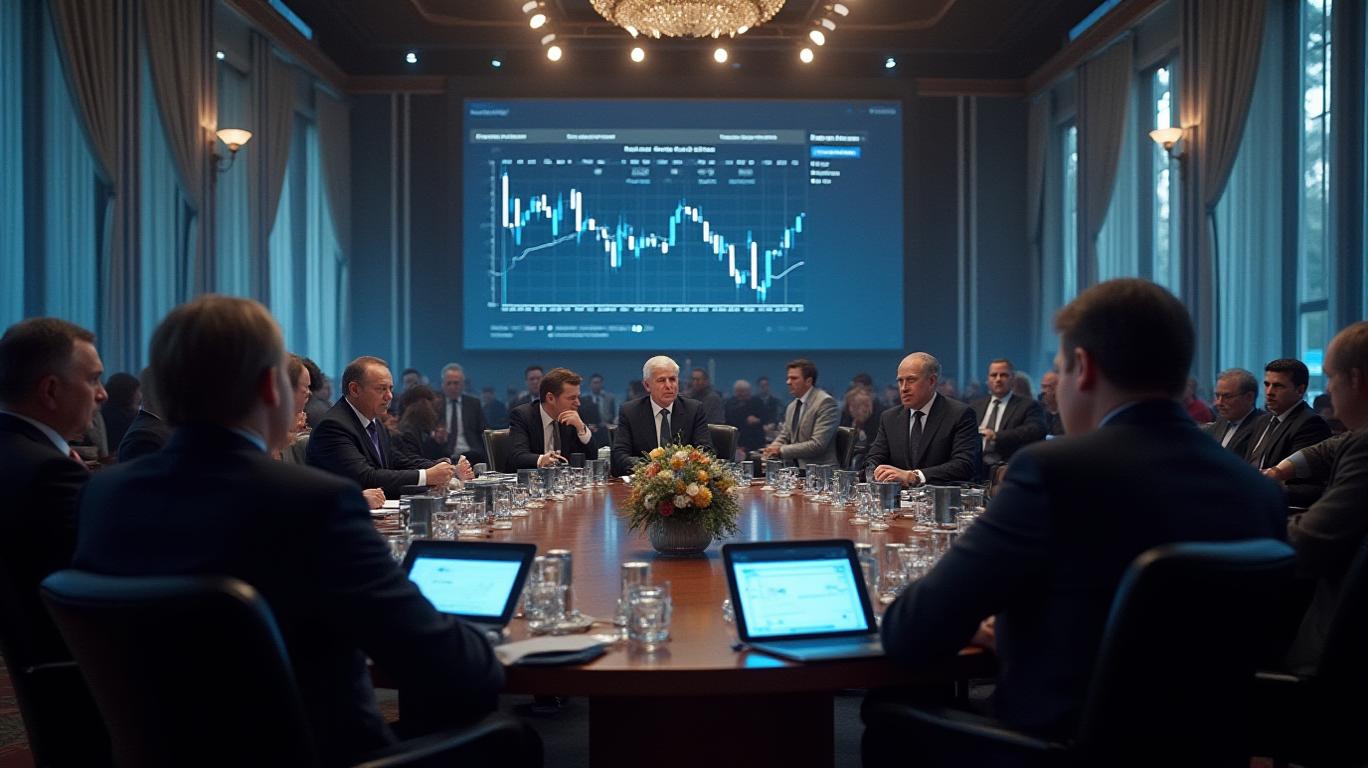
As the World Economic Forum (WEF) descended upon Davos, Switzerland, in 2025, the crypto industry found itself at a crossroads. While some investors were captivated by the allure of digital assets, others remained skeptical, leaving the crypto market in a state of flux. This article explores the reasons behind the cautious stance of some investors and the factors that could influence their decisions in the near future.
The crypto market has experienced remarkable growth over the past decade, with its total market capitalization surpassing $2 trillion in 2025. However, this growth has not been without its challenges, as the market has faced numerous crashes and regulatory hurdles. In contrast, traditional assets such as stocks and bonds have maintained a more stable trajectory, albeit with lower growth potential.
One of the primary concerns for cautious investors is the extreme volatility of cryptocurrencies. The price of Bitcoin, for instance, has fluctuated dramatically over the years, with a single tweet from Elon Musk or a regulatory announcement from China capable of causing significant market swings. This volatility can lead to substantial losses for investors, making it an unattractive option for those with a lower risk tolerance.
Regulatory uncertainty is another significant factor contributing to investor skepticism. The lack of clear regulations surrounding cryptocurrencies makes it difficult for investors to understand the risks and potential rewards. This uncertainty can deter investment, as investors are hesitant to allocate capital to an unregulated market. The recent collapse of the FTX exchange, for example, highlighted the need for robust regulations to protect investors and maintain market stability.
Security concerns have also been a major obstacle for some investors. High-profile hacks and thefts, such as the one that occurred at the crypto exchange FTX, have raised concerns about the security of cryptocurrencies and the platforms that facilitate their trading. These incidents can erode investor confidence and make it difficult for investors to trust the crypto market.
The environmental impact of some cryptocurrencies, particularly Bitcoin, has been a source of concern for environmentally conscious investors. The energy consumption of Bitcoin mining has been estimated to be equivalent to the electricity consumption of entire countries, raising questions about the sustainability of the crypto market.
Market manipulation is another factor that contributes to investor skepticism. The decentralized nature of cryptocurrencies makes it difficult to detect and prevent market manipulation, which can erode investor confidence. The lack of transparency and accountability in the crypto market can make it an unappealing investment option for those who prioritize ethical and responsible investing.
Despite these challenges, the crypto market has shown remarkable resilience and potential for growth. The increasing adoption of blockchain technology and the tokenization of real-world assets (RWAs) have opened up new investment opportunities and attracted more institutional investors to the crypto market. The World Economic Forum's Pathways to the Regulation of Crypto-Assets highlights key regulatory developments over the past few years, indicating a growing acceptance and adoption of cryptocurrencies.
The US is expected to pursue crypto regulation at pace in the coming year, with the Republicans wanting to pass new regulations on crypto before the end of February 2026. This regulatory clarity could attract more institutional investors and provide a clearer path for businesses operating in the crypto space. The International Organization of Securities Commissions (IOSCO) has laid out 18 recommendations for global rules on managing crypto and digital assets, which could lead to more harmonized regulations and make it easier for investors to navigate the global crypto market.
In conclusion, the crypto market's allure has left some investors in Davos cold, with concerns about volatility, regulatory uncertainty, security, environmental impact, and market manipulation. However, the market's potential for growth and the increasing adoption of blockchain technology have attracted more optimistic investors. As regulatory clarity emerges and the market continues to evolve, the crypto market could become more appealing to a broader range of investors, ultimately driving its growth and adoption.
COLD--
As the World Economic Forum (WEF) descended upon Davos, Switzerland, in 2025, the crypto industry found itself at a crossroads. While some investors were captivated by the allure of digital assets, others remained skeptical, leaving the crypto market in a state of flux. This article explores the reasons behind the cautious stance of some investors and the factors that could influence their decisions in the near future.
The crypto market has experienced remarkable growth over the past decade, with its total market capitalization surpassing $2 trillion in 2025. However, this growth has not been without its challenges, as the market has faced numerous crashes and regulatory hurdles. In contrast, traditional assets such as stocks and bonds have maintained a more stable trajectory, albeit with lower growth potential.
One of the primary concerns for cautious investors is the extreme volatility of cryptocurrencies. The price of Bitcoin, for instance, has fluctuated dramatically over the years, with a single tweet from Elon Musk or a regulatory announcement from China capable of causing significant market swings. This volatility can lead to substantial losses for investors, making it an unattractive option for those with a lower risk tolerance.
Regulatory uncertainty is another significant factor contributing to investor skepticism. The lack of clear regulations surrounding cryptocurrencies makes it difficult for investors to understand the risks and potential rewards. This uncertainty can deter investment, as investors are hesitant to allocate capital to an unregulated market. The recent collapse of the FTX exchange, for example, highlighted the need for robust regulations to protect investors and maintain market stability.
Security concerns have also been a major obstacle for some investors. High-profile hacks and thefts, such as the one that occurred at the crypto exchange FTX, have raised concerns about the security of cryptocurrencies and the platforms that facilitate their trading. These incidents can erode investor confidence and make it difficult for investors to trust the crypto market.
The environmental impact of some cryptocurrencies, particularly Bitcoin, has been a source of concern for environmentally conscious investors. The energy consumption of Bitcoin mining has been estimated to be equivalent to the electricity consumption of entire countries, raising questions about the sustainability of the crypto market.
Market manipulation is another factor that contributes to investor skepticism. The decentralized nature of cryptocurrencies makes it difficult to detect and prevent market manipulation, which can erode investor confidence. The lack of transparency and accountability in the crypto market can make it an unappealing investment option for those who prioritize ethical and responsible investing.
Despite these challenges, the crypto market has shown remarkable resilience and potential for growth. The increasing adoption of blockchain technology and the tokenization of real-world assets (RWAs) have opened up new investment opportunities and attracted more institutional investors to the crypto market. The World Economic Forum's Pathways to the Regulation of Crypto-Assets highlights key regulatory developments over the past few years, indicating a growing acceptance and adoption of cryptocurrencies.
The US is expected to pursue crypto regulation at pace in the coming year, with the Republicans wanting to pass new regulations on crypto before the end of February 2026. This regulatory clarity could attract more institutional investors and provide a clearer path for businesses operating in the crypto space. The International Organization of Securities Commissions (IOSCO) has laid out 18 recommendations for global rules on managing crypto and digital assets, which could lead to more harmonized regulations and make it easier for investors to navigate the global crypto market.
In conclusion, the crypto market's allure has left some investors in Davos cold, with concerns about volatility, regulatory uncertainty, security, environmental impact, and market manipulation. However, the market's potential for growth and the increasing adoption of blockchain technology have attracted more optimistic investors. As regulatory clarity emerges and the market continues to evolve, the crypto market could become more appealing to a broader range of investors, ultimately driving its growth and adoption.

Divulgación editorial y transparencia de la IA: Ainvest News utiliza tecnología avanzada de Modelos de Lenguaje Largo (LLM) para sintetizar y analizar datos de mercado en tiempo real. Para garantizar los más altos estándares de integridad, cada artículo se somete a un riguroso proceso de verificación con participación humana.
Mientras la IA asiste en el procesamiento de datos y la redacción inicial, un miembro editorial profesional de Ainvest revisa, verifica y aprueba de forma independiente todo el contenido para garantizar su precisión y cumplimiento con los estándares editoriales de Ainvest Fintech Inc. Esta supervisión humana está diseñada para mitigar las alucinaciones de la IA y garantizar el contexto financiero.
Advertencia sobre inversiones: Este contenido se proporciona únicamente con fines informativos y no constituye asesoramiento profesional de inversión, legal o financiero. Los mercados conllevan riesgos inherentes. Se recomienda a los usuarios que realicen una investigación independiente o consulten a un asesor financiero certificado antes de tomar cualquier decisión. Ainvest Fintech Inc. se exime de toda responsabilidad por las acciones tomadas con base en esta información. ¿Encontró un error? Reportar un problema


SOBRE NOSOTROS
Nuestra historiaAutores de noticiasBase de conocimientosPolítica de privacidadTérmino de usoDescargo de responsabilidad de corretaje de tercerosTérminos de uso de AIMEDivulgaciones de riesgos de AInvest AICarrerasCONTÁCTENOS
Email: support@ainvest.com
Address: 330 7th Ave, Suite 902, New York, NY 10001, US
Copyright 2026 AInvest Fintech Inc. All rights reserved.


Comentarios
Aún no hay comentarios